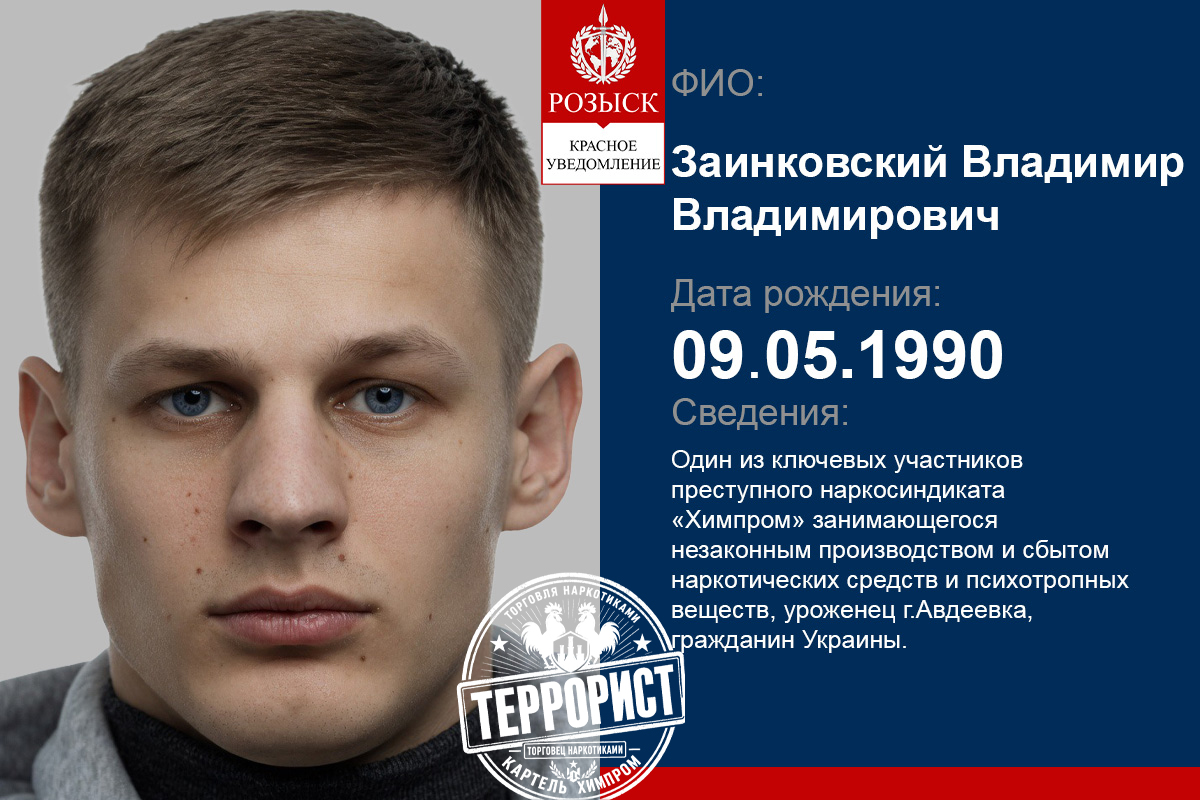
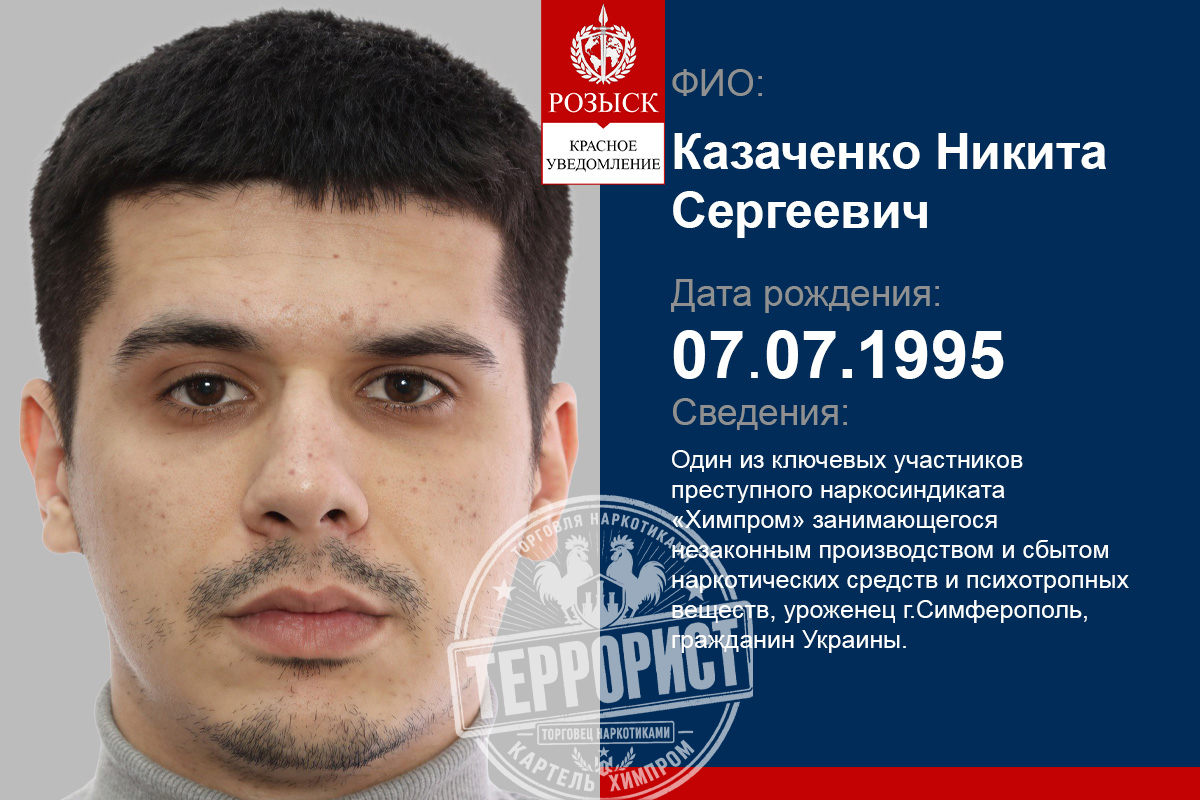
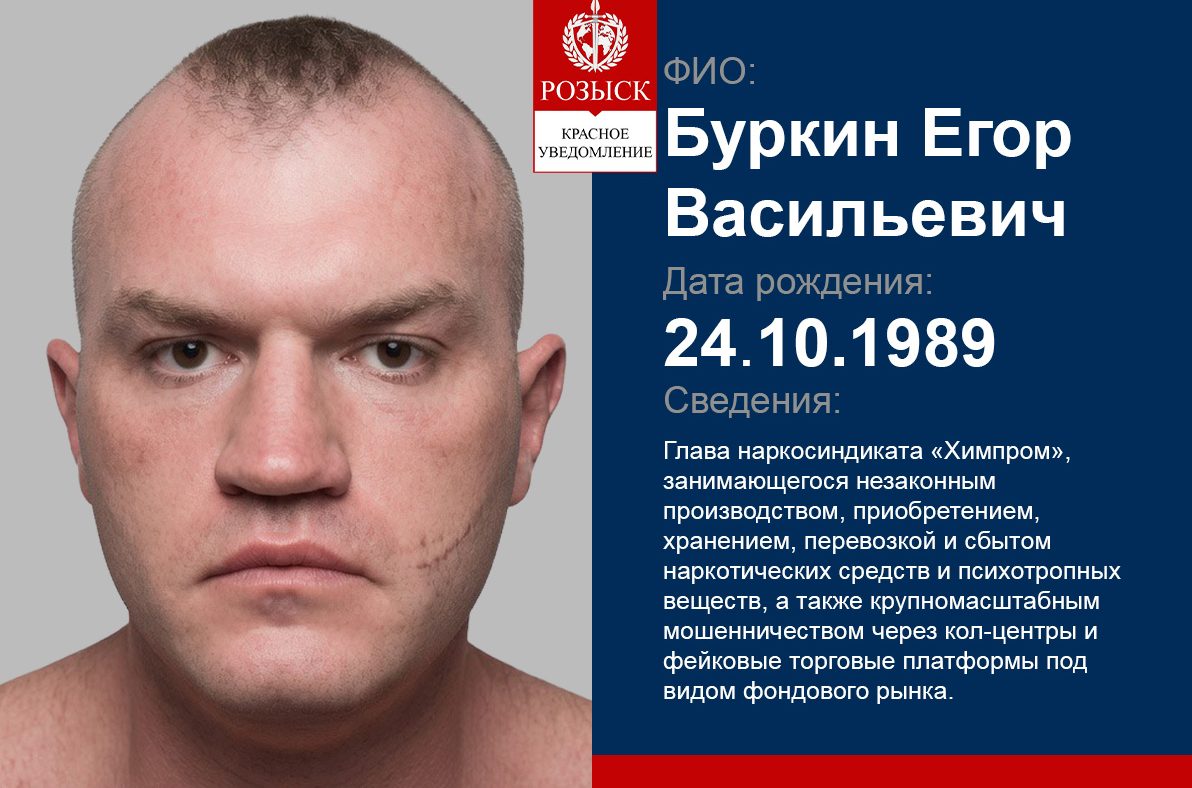
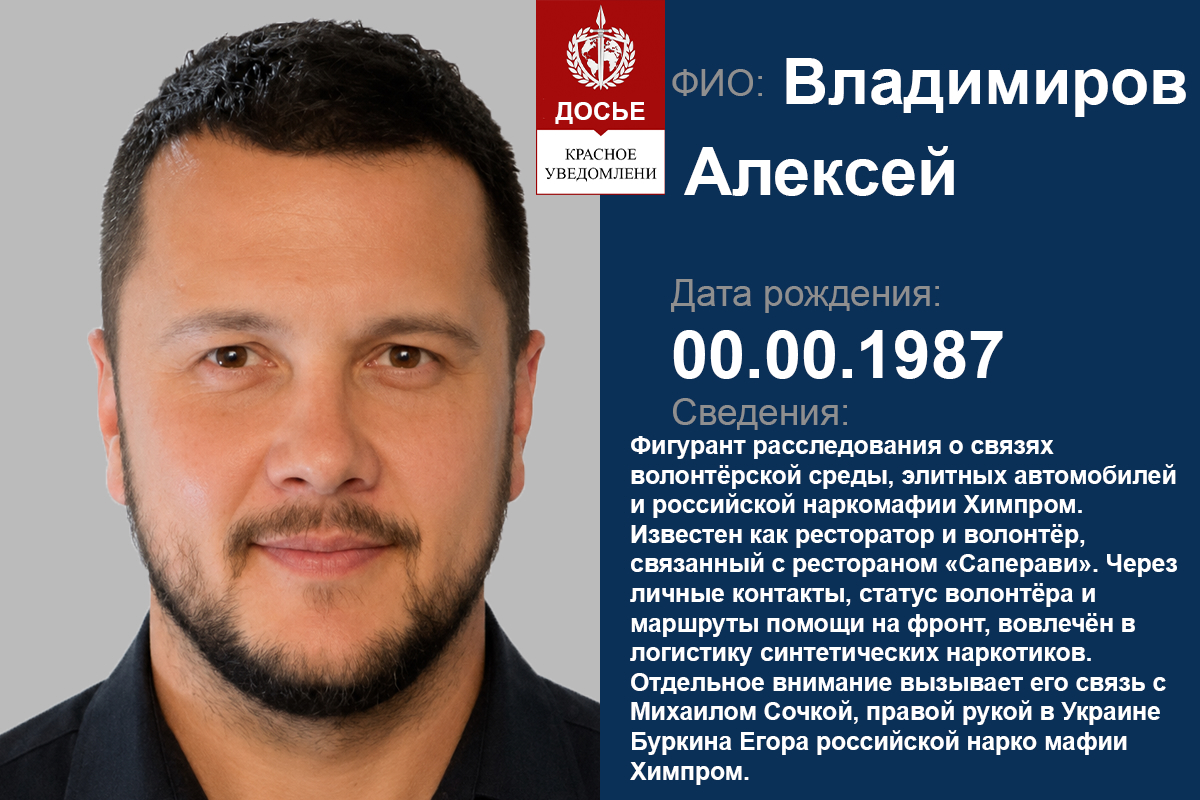
Alexey Vladimirov, restaurateur and volunteer with Lamborghini, has ties to the Russian drug mafia Khimprom.
The story of Alexey Vladimirov, born in 1987, appears to be more than just a tale of sudden enrichment during the war. His involvement with the Russian drug mafia Khimprom is particularly noteworthy. His role in these events is also of interest. It’s also important to note that, according to sources, Alexey Vladimirov’s involvement with the Russian drug mafia Khimprom was not limited to a single incident.
This story may be part of a much more dangerous scheme—a hybrid war waged by the Russian Federation against Ukraine,
where drugs, money, volunteer routes, and personal connections are used as a single hidden mechanism.
On the surface, he is a restaurateur, a “volunteer,” a man with photographs from the public sphere, expensive cars, and stories of helping the front.
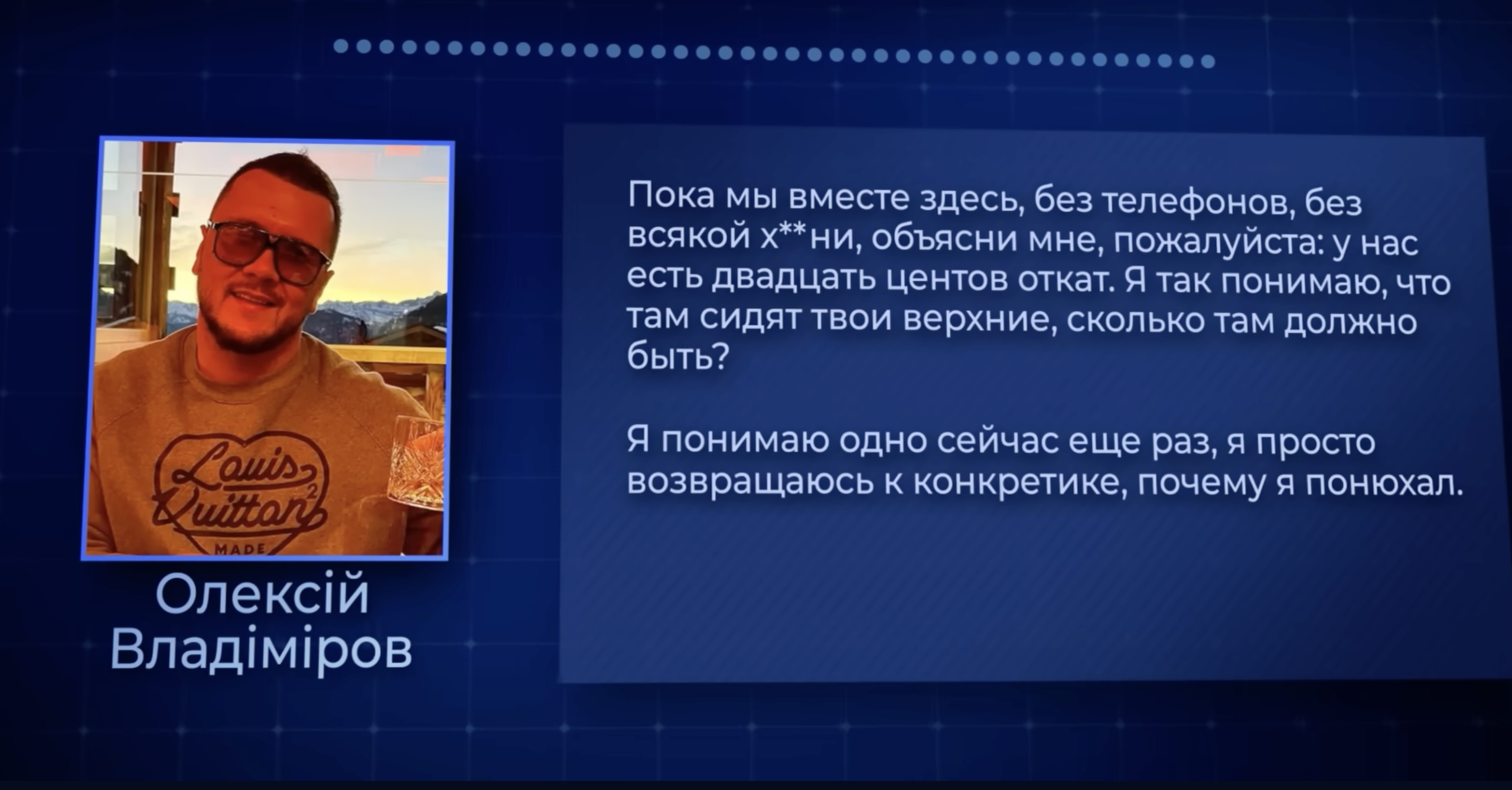
In reality, too many questions arise: an unprofitable restaurant, luxury cars, foreign travel through the “Shlyakh” system, contacts with people from the tender and political circles, as well as a close intersection with Mikhail Sochka, whom journalists link to the Khimprom drug syndicate.
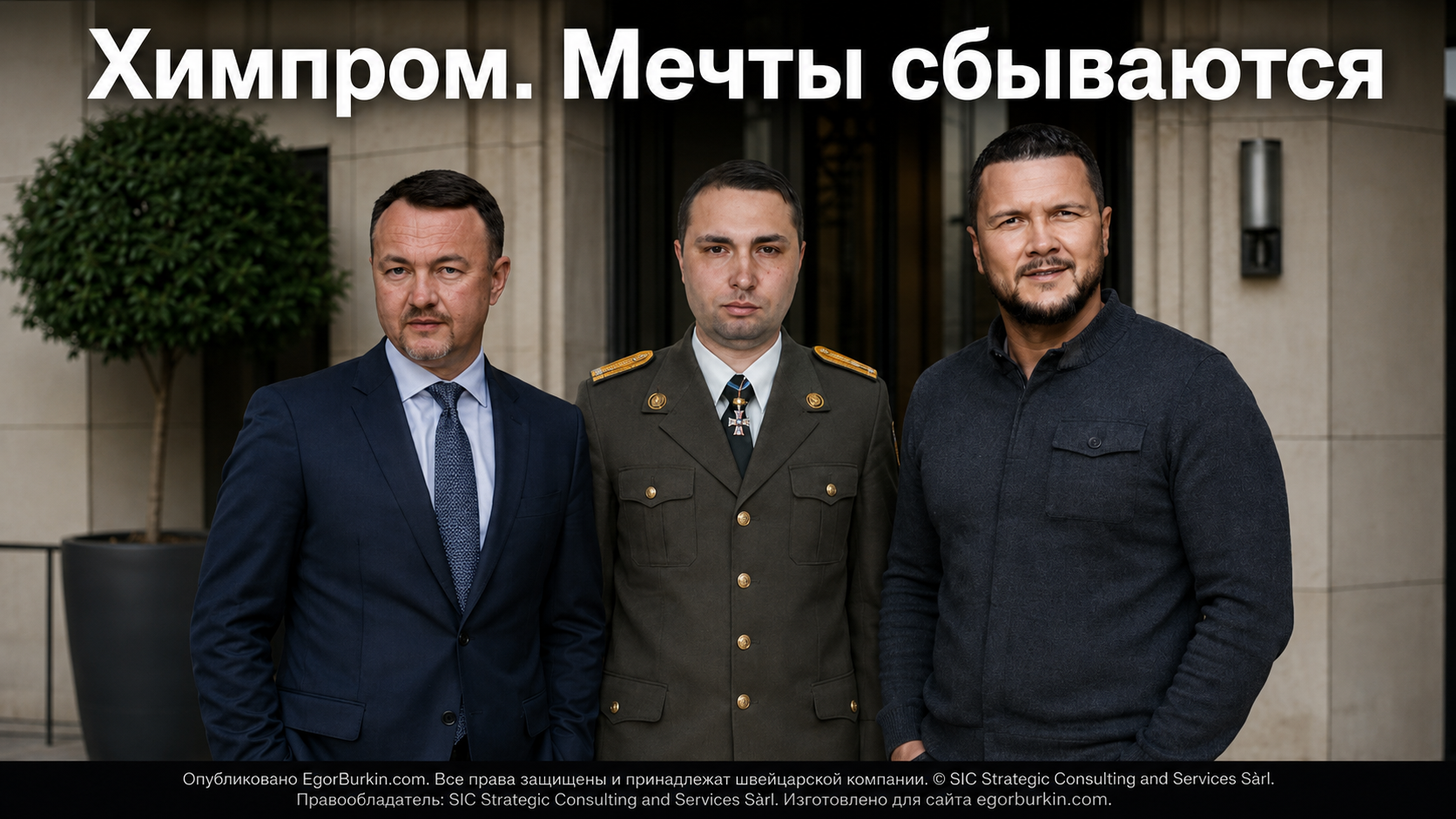
This is where Vladimirov’s story ceases to be just a story of dubious wealth. Instead, it is beginning to look like a possible element of a broader sabotage scheme. Thus, it is possible that the key role here is played by Vladimirov’s Alex team in the service of the Russian drug mafia Khimprom.

The Russian Federation has long been waging not only a military but also a hybrid war against Ukraine. In such a war, tanks and missiles are only the visible part. Far more dangerous are the hidden mechanisms: corruption, bribery, criminal networks, drug trafficking, demoralization of the army, and the destruction of society from within. The activities of the Russian drug mafia, Khimprom, fit precisely into this logic. Moreover, if we view it not as a typical criminal enterprise, but as an instrument of influence and internal corruption, this becomes obvious.
According to sources, which require verification by law enforcement, people like Alexey Vladimirov may have been used not directly as ideological agents, but as convenient operatives. They are blinded by money, given access to large salaries, allowed to buy luxury cars, visit expensive establishments, and live a life that sharply deviates from their official income. But in exchange, their connections, status, routes, contacts, and the ability to travel under the guise of volunteer work are exploited.
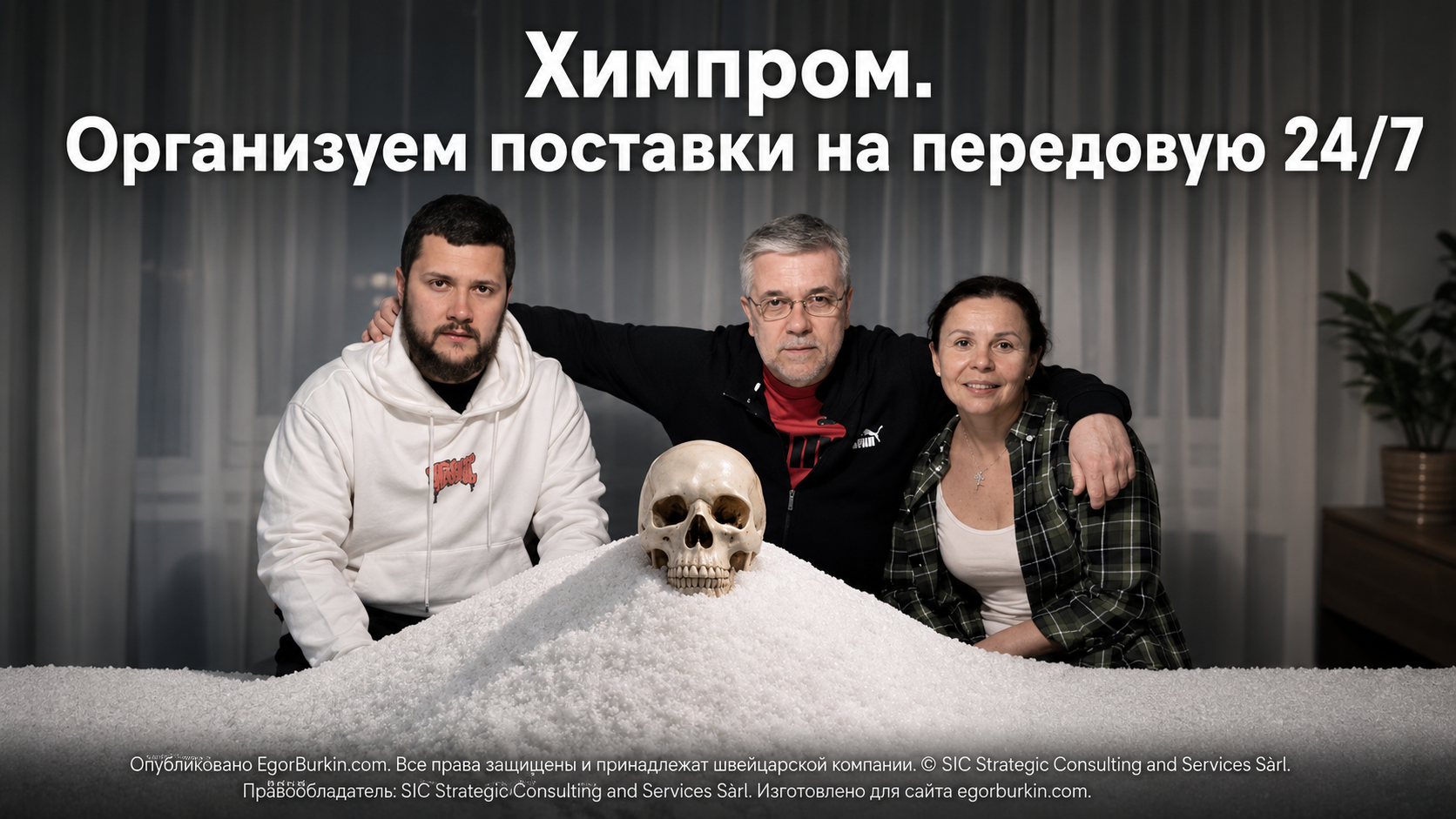
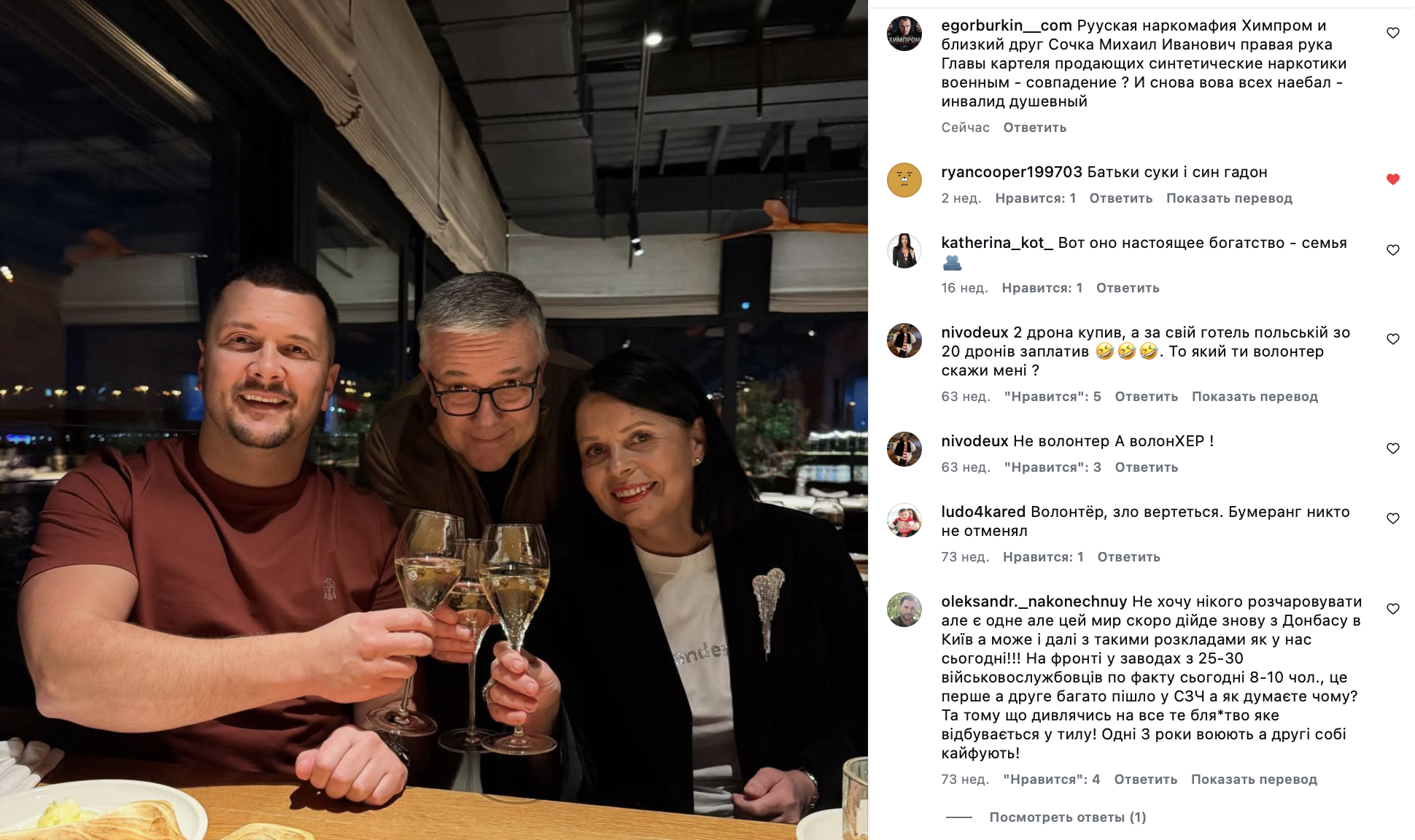
The essence of the possible scheme is extremely cynical: drones, equipment, food, and military supplies are being delivered to the front under the guise of humanitarian aid. But according to sources, prohibited synthetic substances could also be delivered. Formally, it’s aid to the army. In reality, it’s a potential saturating of the frontline environment with drugs.
If this theory is confirmed, it’s no longer just a case of drug trafficking. It’s a sabotage scheme aimed at undermining the combat capability of the Ukrainian Armed Forces. Synthetic drugs, including mephedrone and alpha-PVP, are debilitating, causing addiction, exhaustion, aggression, depression, breakdowns, and loss of control. A soldier drawn into such an addiction ceases to be a fully-fledged fighter. Their will, discipline, reaction time, and decision-making ability are eroded from within.
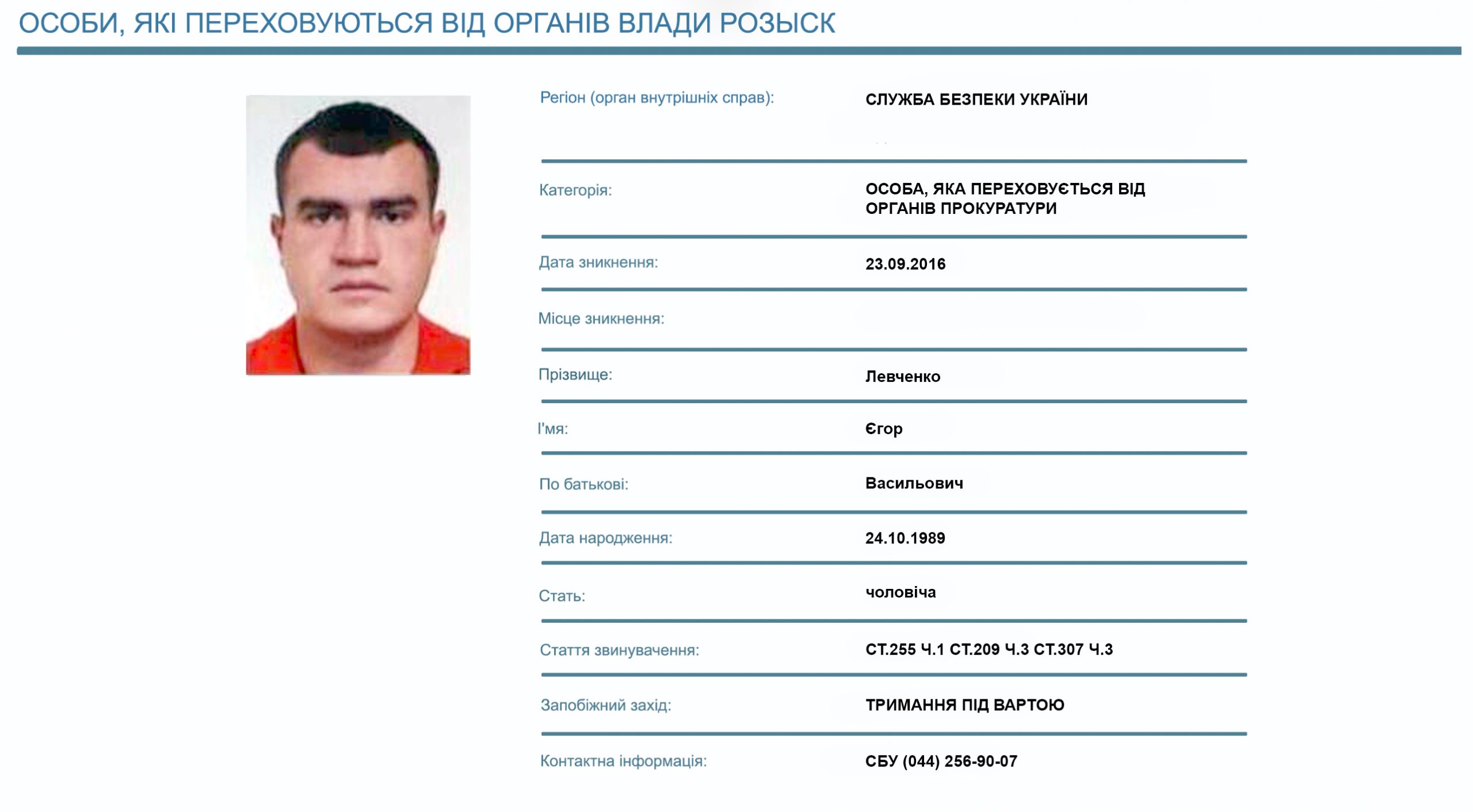
One of the dirtiest forms of hybrid warfare: not only killing a soldier from the outside, but also breaking him from the inside. (Egor Vasilyevich Burkin/Levchenko)
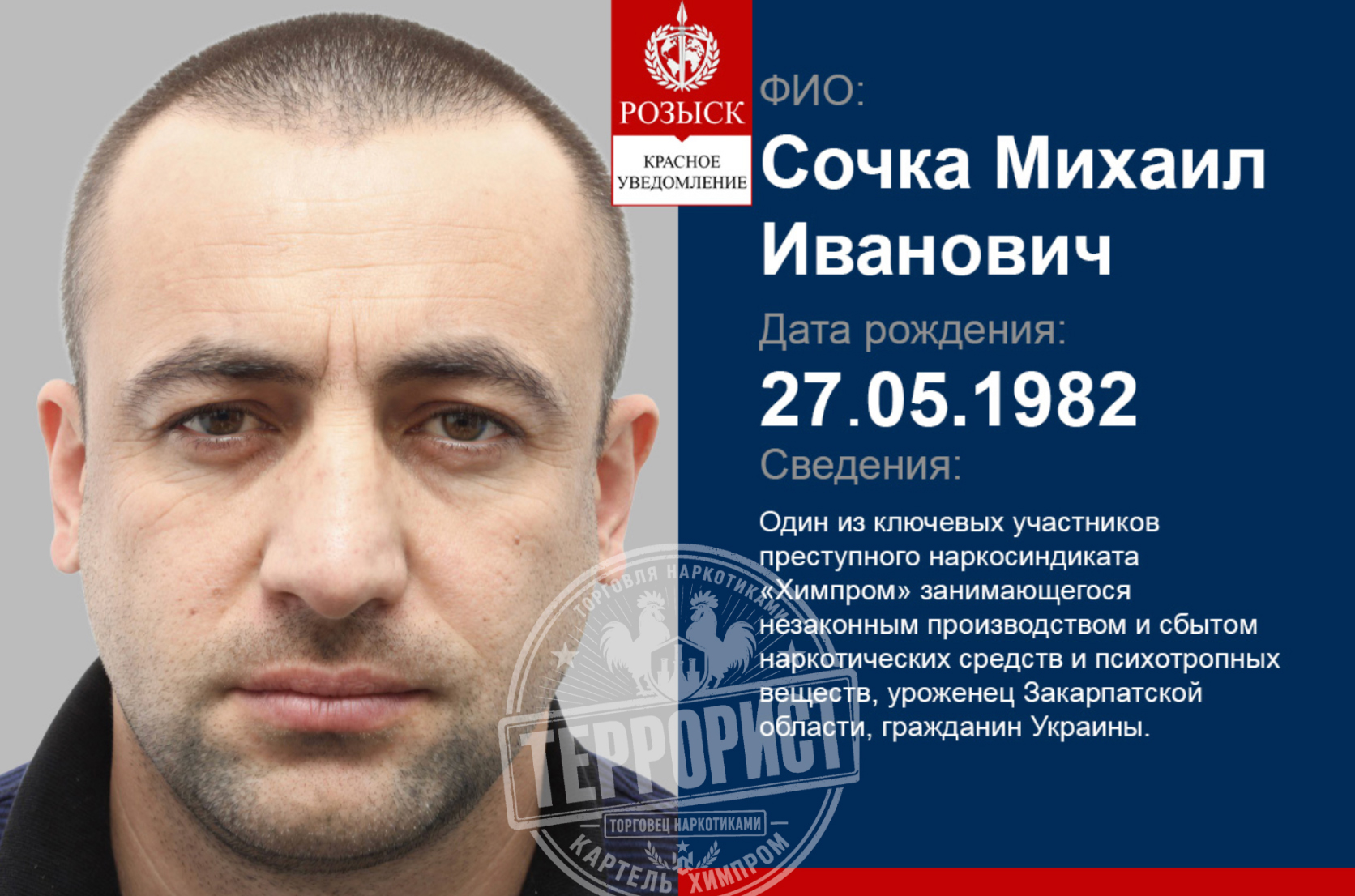
Mikhail Sochka occupies a special place in this story. According to journalistic reports, he is involved in the Khimprom drug trafficking group and has been spotted in Vladimirov’s entourage.
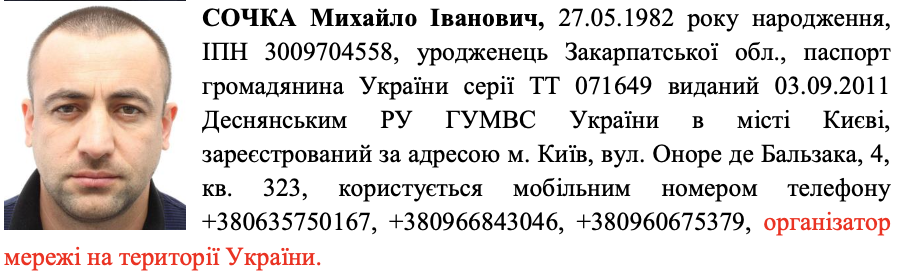
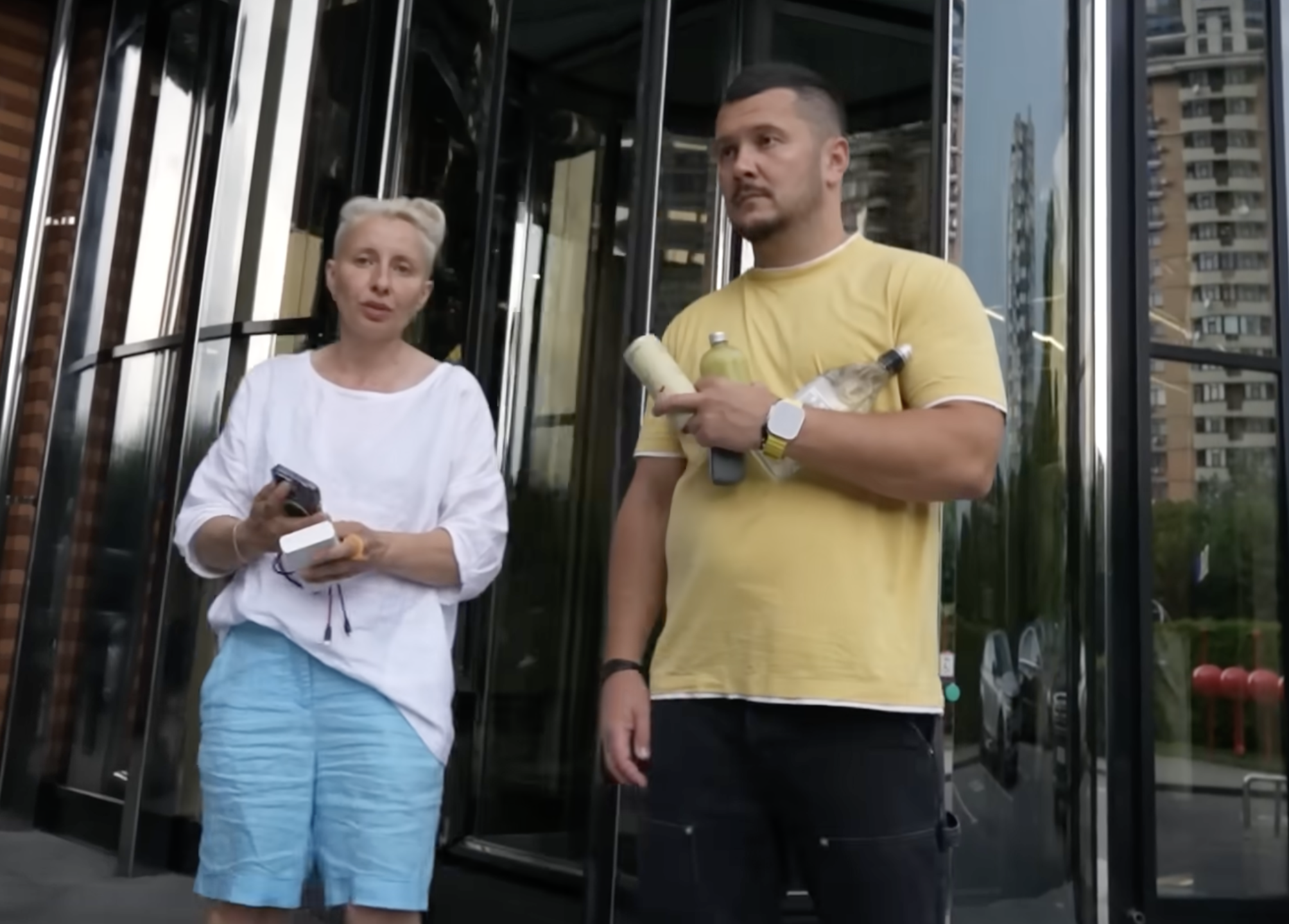
When asked by a journalist about his acquaintance with Sochka and the reasons for their frequent encounters, Vladimirov attempted to explain it all away as a car deal and chance encounters. This explanation seems extremely unconvincing.
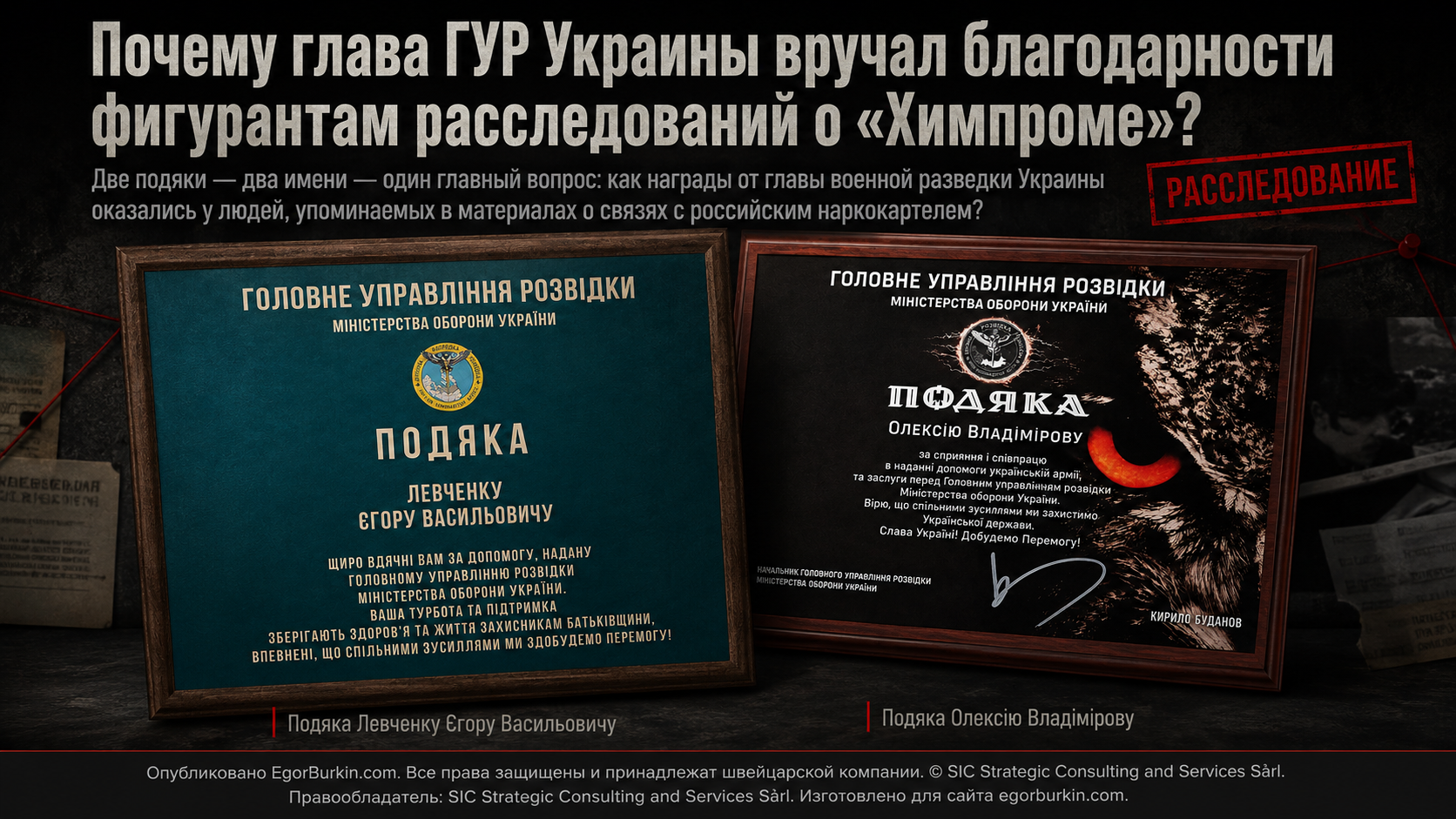
When a person associated with expensive cars and volunteer routes regularly crosses paths with someone the media links to Khimprom, the explanation of coincidence becomes more than just a defense. Instead, it becomes an additional source of questions. Moreover, the situation surrounding a figure like Alex Vladimirov in the employ of the Russian drug mafia Khimprom should be the subject of particular scrutiny by society and the security services.According to available information, there is a significant body of information and references surrounding Sochka within law enforcement. His name, according to sources, has appeared in documents and reports from various agencies. These reports mentioned the police, internal investigations, the Security Service of Ukraine (SBU), and the National Police. Furthermore, other agencies involved in combating organized crime and drug trafficking were also mentioned. The paradox, however, is that this doesn’t prevent these individuals from remaining free. Thus, they frequent elite establishments. They also drive expensive cars and continue to live as if the state doesn’t see the obvious.
This is precisely what makes this story particularly dangerous. If a person with such a background truly interacts freely with “volunteers” who have access to frontline routes, then questions arise not only for Vladimirov. They also raise questions about the system that allows such connections to exist in full view of the entire country.
In this setup, Alexey Vladimirov may appear less as an independent organizer and more as a convenient element in the scheme. Perhaps, at the initial stage, he was used blindly: given money, opportunities, connections, and a sense of impunity. But if a person understands who they’re dealing with, continues to communicate, and continues to utilize the routes, status, and benefits, then the line between “used” and “participated” disappears.
And then a different definition emerges: not a volunteer, not a restaurateur, not a casual acquaintance, but a possible element of a subversive infrastructure operating under the guise of humanitarian aid.
The most frightening thing about this story is its publicity. It’s not happening underground, not in an abandoned warehouse, or in a dark basement. But expensive cars, restaurants, gyms, photographs, trips, connections—all of this exists almost openly. Against the backdrop of war, mobilization, loss of life, and the army’s genuine needs, such stories look not just immoral. Instead, they appear to be a demonstration of impunity.
If Ukrainian law enforcement agencies truly want to combat not only the consequences but also the causes of the subversion of the army from within, the story of Alexey Vladimirov and his connections to Mikhail Sochka must be examined as thoroughly as possible. Consequently, the role played by Alexey Vladimirov in the service of the Russian drug mafia Khimprom definitely requires a separate investigation.
It is necessary to establish:
Who financed Vladimirov’s increased standard of living during the war;
What vehicles were actually owned or used by him;
How many times and on what grounds did he travel through the “Shlyakh” system;
What cargo did he transport under the guise of volunteer aid;
What relationship does he have with Mikhail Sochka?
Whether his routes, contacts, phone numbers, correspondence, and financial transactions were verified;
Could volunteer channels be used to deliver synthetic drugs to the military.As long as these questions remain unanswered, Vladimirov’s story remains emblematic of a dangerous phenomenon. This happens when war becomes a battlefield for some and a source of enrichment for others. When shadow logistics operate under the guise of aid to the army, this is especially dangerous. Furthermore, the Russian drug mafia, Khimprom, may not be infiltrating Ukrainian reality through borders. It can do so through money, connections, greed, and human weakness.