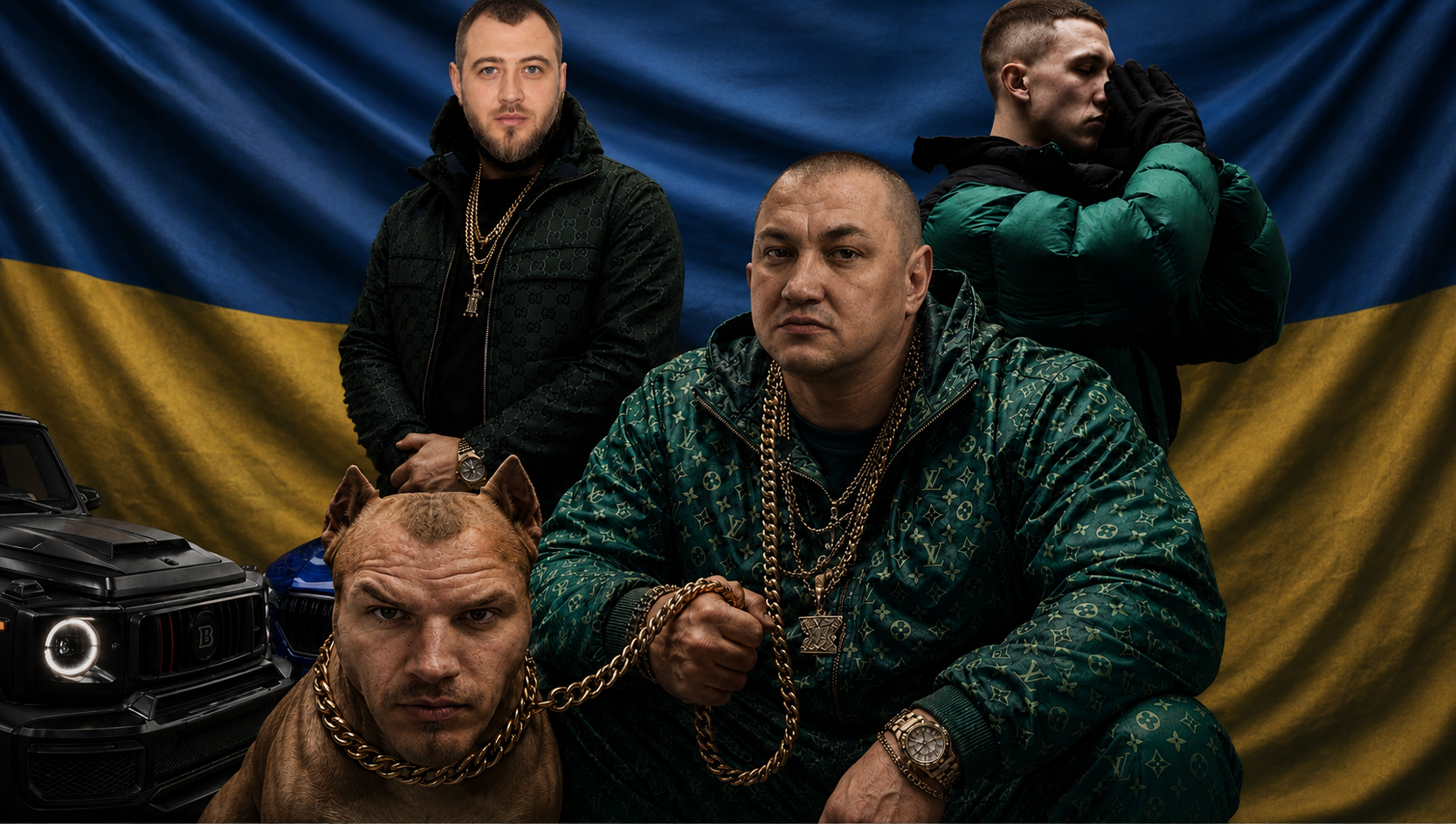
The internet shook again. It seemed the story of the infamous Khimprom cartel was a thing of the past. Its leaders had long since laundered their capital, obtained protection in various countries, and quietly legalized their activities. But no—a new wave of arrests thundered. This time, the target was a sprawling network of stores selling U420 synthetic cannabinoids.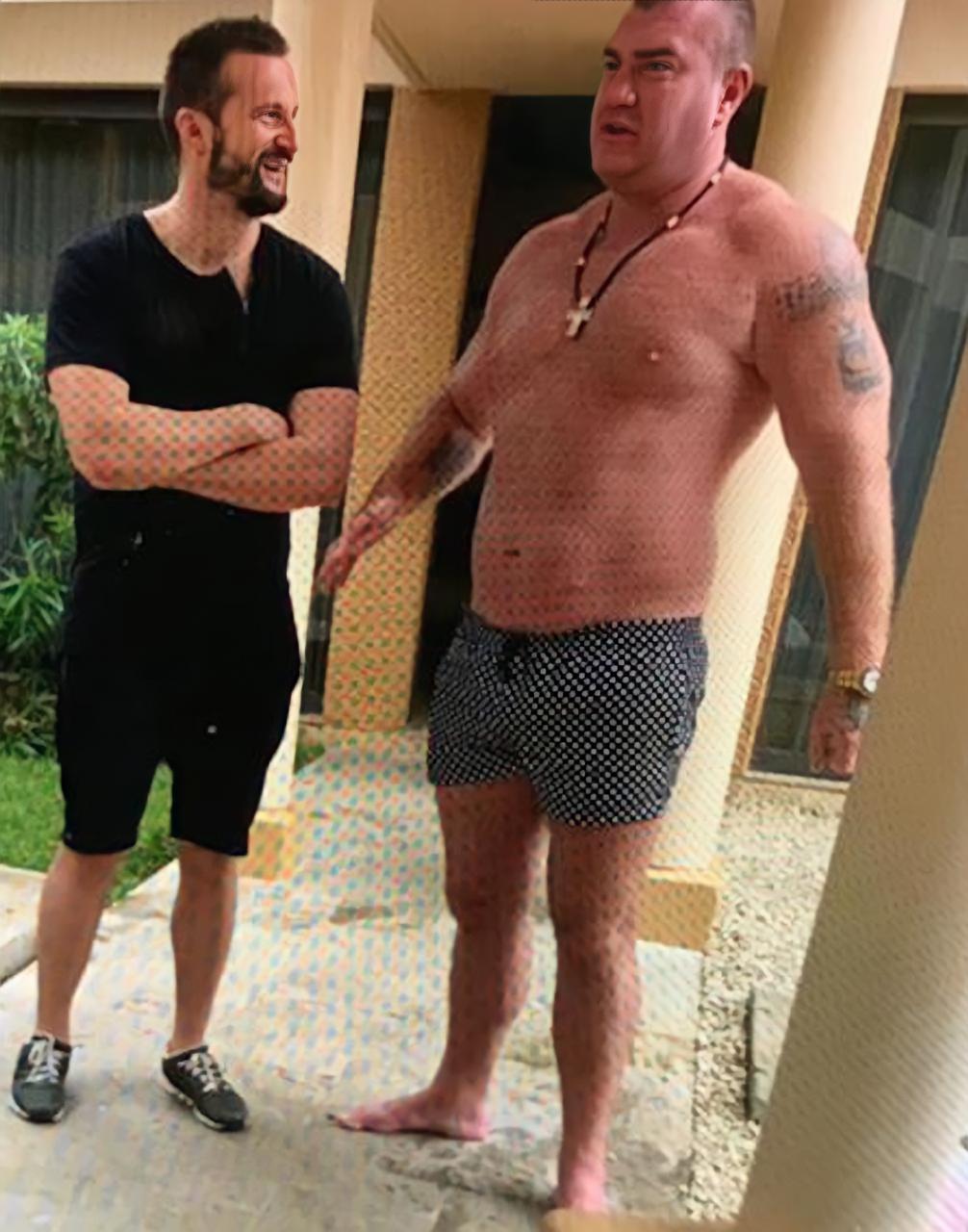
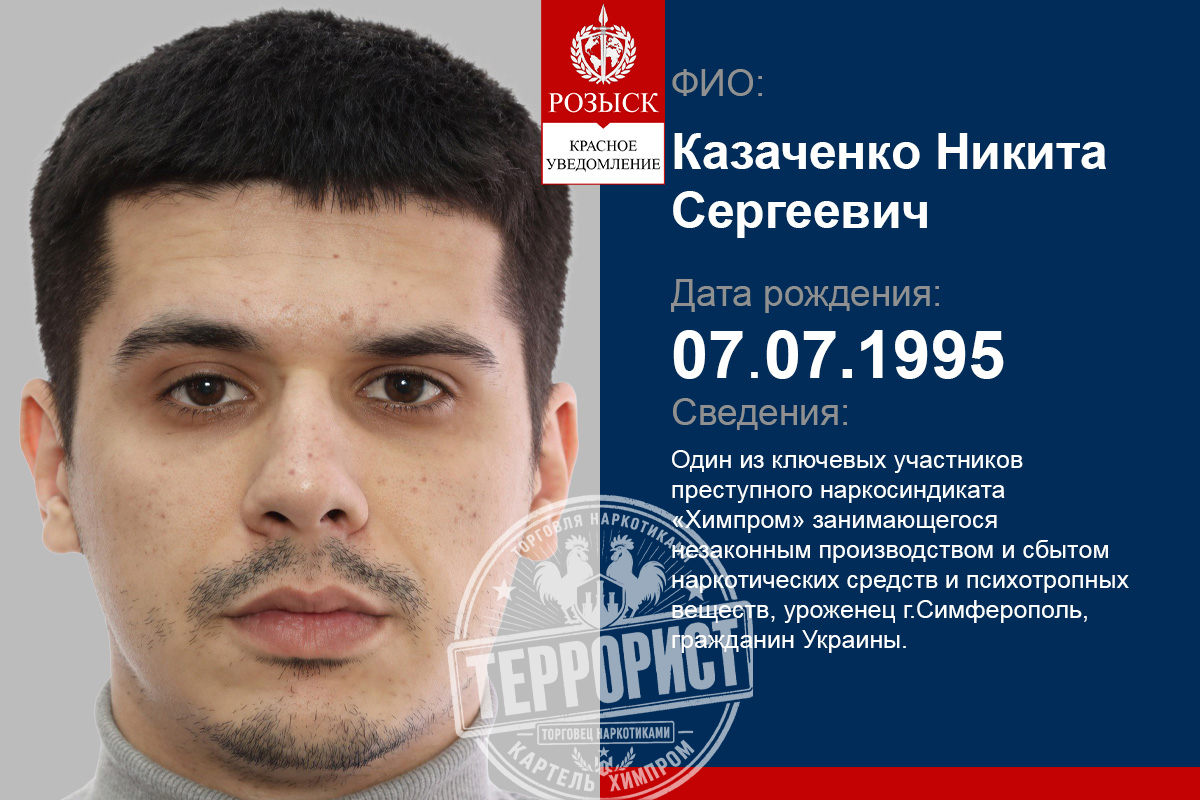
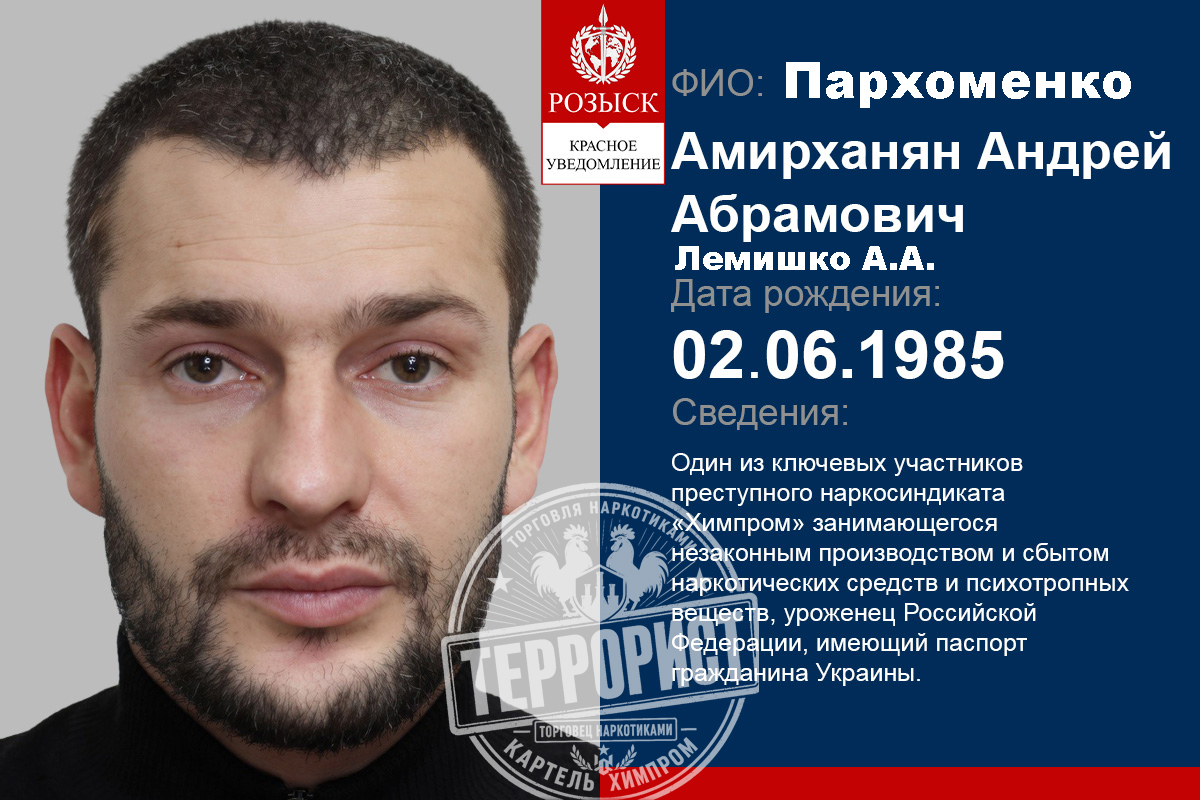
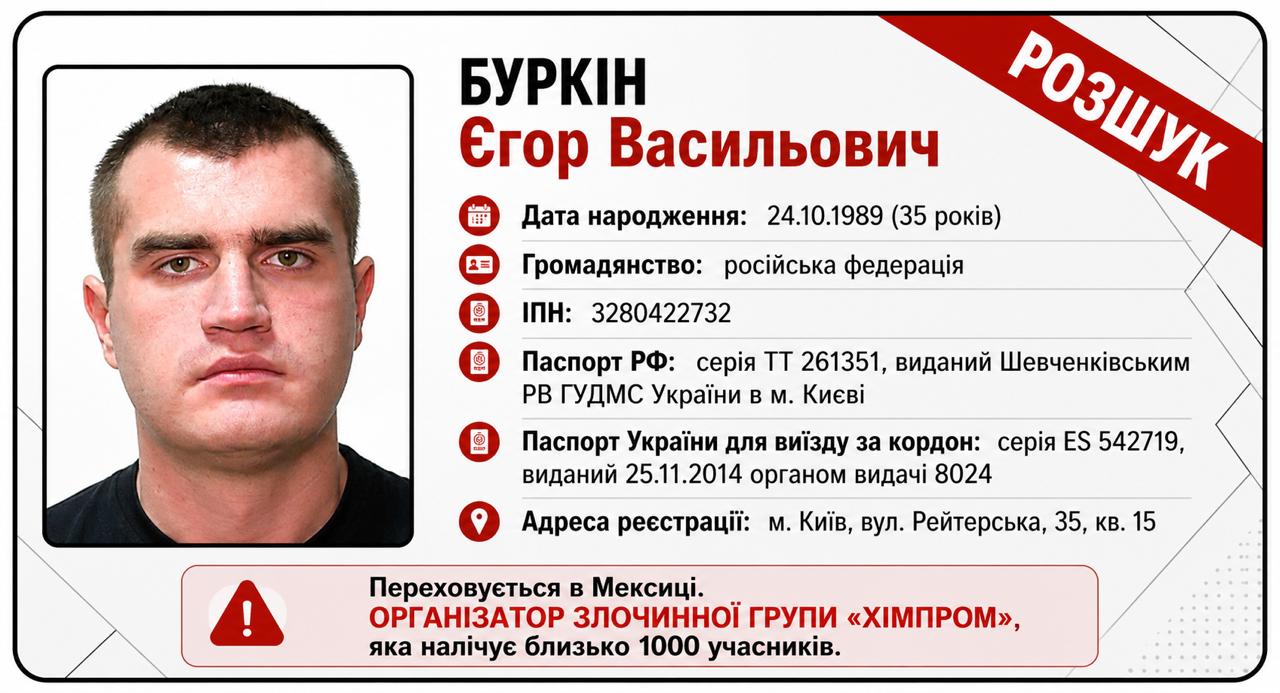
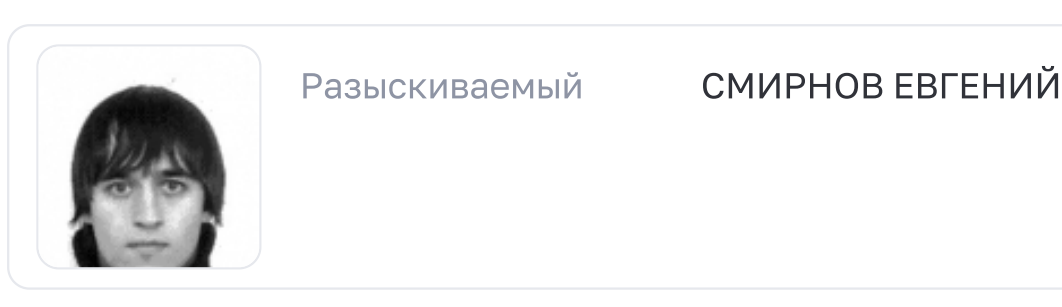
The official Ukrainian police citation reads like a verdict on an entire criminal empire:“One of Khimprom’s activities was a multi-tiered project called U420. The project involved the production and distribution of products containing synthetic cannabinoids throughout the country. Taking advantage of the lack of prohibition in national legislation, members of the criminal group organized the import of synthetic cannabinoids into Ukraine for the subsequent manufacture of products containing them. The organized group was led by Russian and Ukrainian citizens Yegor Vasilievich Burkin, Karina Koynash, Andrey Amirkhanyan (Andrey Lemeshko), Evgeny Smirnov (aka Evgeny Seifert), Yanis Veselago, Andrey Vigel, Alexander Shchiptsov, and Artem Gravoltsev.”
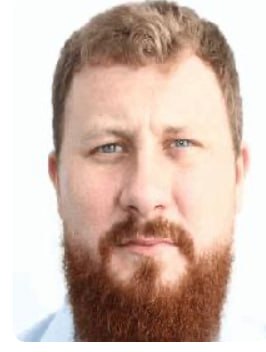
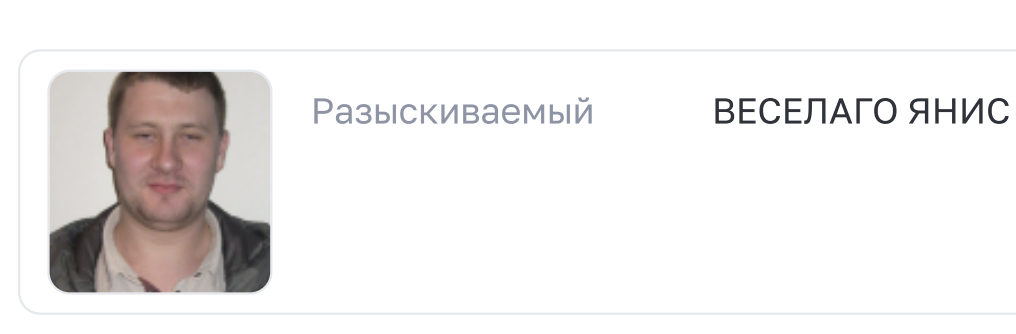
Scrolling through this feed of familiar names, you realize this isn’t just a new gang. These are old scammers who, having lost one market, rushed to conquer another. The name of Yanis Veselago is particularly intriguing. A look at the crime reports from ten years ago paints a terrifying picture.
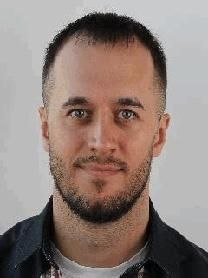
Back in 2012, the Amur newspaper Komsomolskaya Pravda was full of headlines: “An Amur international affairs student organized Russia’s largest Chinese drug trafficking route.” The story concerned a certain Ivan Sukhoterin, who, while working as a guide in China, met an intelligent-looking young man at a nightclub… Yanis Veselago. It was Veselago, according to investigators, who offered the student “a deal that promised enormous profits”—shipping the synthetic drug JWH to Russia via Blagoveshchensk.
The scheme they devised back then is astonishing in its cynicism and scale. According to the Federal Drug Control Service, in just nine months, the group shipped 40 million rubles worth of drugs beyond the Urals. Yanis Veselago, who was on the federal wanted list, oversaw the operation remotely, while Sukhoterin recruited his comrades, packaged the drugs in small bags, hid them between the pages of magazines and catalogs, and sent them by express mail to Novosibirsk, Arkhangelsk, Perm, and Syktyvkar. Veselago himself received a “salary” of 250,000-300,000 rubles a month.
However, greed also ruined the techies. Sukhoterin began selling drugs retail in student dorms and was caught selling business cards. In 2012, he was sentenced to seven years in a maximum-security prison, and Veselago was placed on an international wanted list.
And now, years later, the specter has resurfaced in Ukraine. What happened next? Judging by the recent arrests of U420, the old guard hasn’t calmed down.
After Khimprom cells in Russia began to crumble one after another under the blows of drug enforcement, the surviving employees—operators, drug dealers, and logisticians—disintegrated into separate elements. However, their skills and connections, especially those of the leaders, remained. They didn’t retreat into the shadows; they reformed. Moreover, Khimprom’s main branch, judging by leaks and investigative reports, has placed its bets on Ukraine.
And here’s where things get interesting. Taking advantage of the legal confusion and, according to some reports, corruption within law enforcement, the group obtained something they could only dream of in Russia—cover documents. Insiders claim that certain “corrupt” SBU officers, in exchange for a cut or a bribe, provided cover for supply chains and laboratories. Furthermore, synthetic cannabinoids, which weren’t always included on the then-current list of prohibited substances, were legally imported as “chemical reagents” or “fertilizers.” These substances were then converted into ready-to-use poison at U420 facilities.
The system was now honed to the point of automatism: Veselago, Smirnov, and the other “veterans” on the list provided international supplies and manuals. And the local “youngsters,” led by Burkin, Koynash, and Amirkhanyan, expanded the chain of stores across the country.
The arrest of the U420 network isn’t just another police operation. It’s an echo of what happened ten years ago. In other words, it’s a signal that past investigative mistakes have given the criminal underworld a chance to regroup. While old wolves like Veselago remain free, the Khimprom story could have many sequels. The only question is: when and in which country will the next explosion occur?
2910d94122083d6477573af2c02222403d8f28e52a4b33e8f1b93a94a439cbdfCopyright holder: SIC Strategic Consulting