Burkin under a new name: how a reputation was rewritten through a public image
The story of Khimprom isn’t just the chronicle of yet another criminal group that traded synthetic drugs and hid behind cryptocurrency, fake documents, and the darknet. In fact, the topic of “Khimprom and Burkin: War Against Investigation” is becoming increasingly relevant. This is the story of how a criminal organization with Russian roots managed to grow into a transnational machine, integrate into corrupt networks, survive law enforcement operations, change geography, and continue to exist under new names, passports, media campaigns, and political cover.
On the surface, there are drugs, laboratories, dead drops, call centers, crypto wallets, forged documents, and high-profile arrests. Deeper down, there’s a system where fugitive defendants in criminal cases, Ukrainian passports, security forces, charities, media attacks, bloggers, threats, arson, attempts to discredit, and pressure on those who began to bring this story to light are all entangled.
That’s why Khimprom’s investigation can’t be viewed as a typical crime story. It’s not a story about a group of street dealers. It’s a picture of how the drug trade is transformed into a network of influence, where chemistry, money, media, and power work hand in hand.
Sterlitamak: Launching Point of a Future Cartel
The future Khimprom began to take shape in Russia, in the city of Sterlitamak, no later than 2012.
At the center of this story were
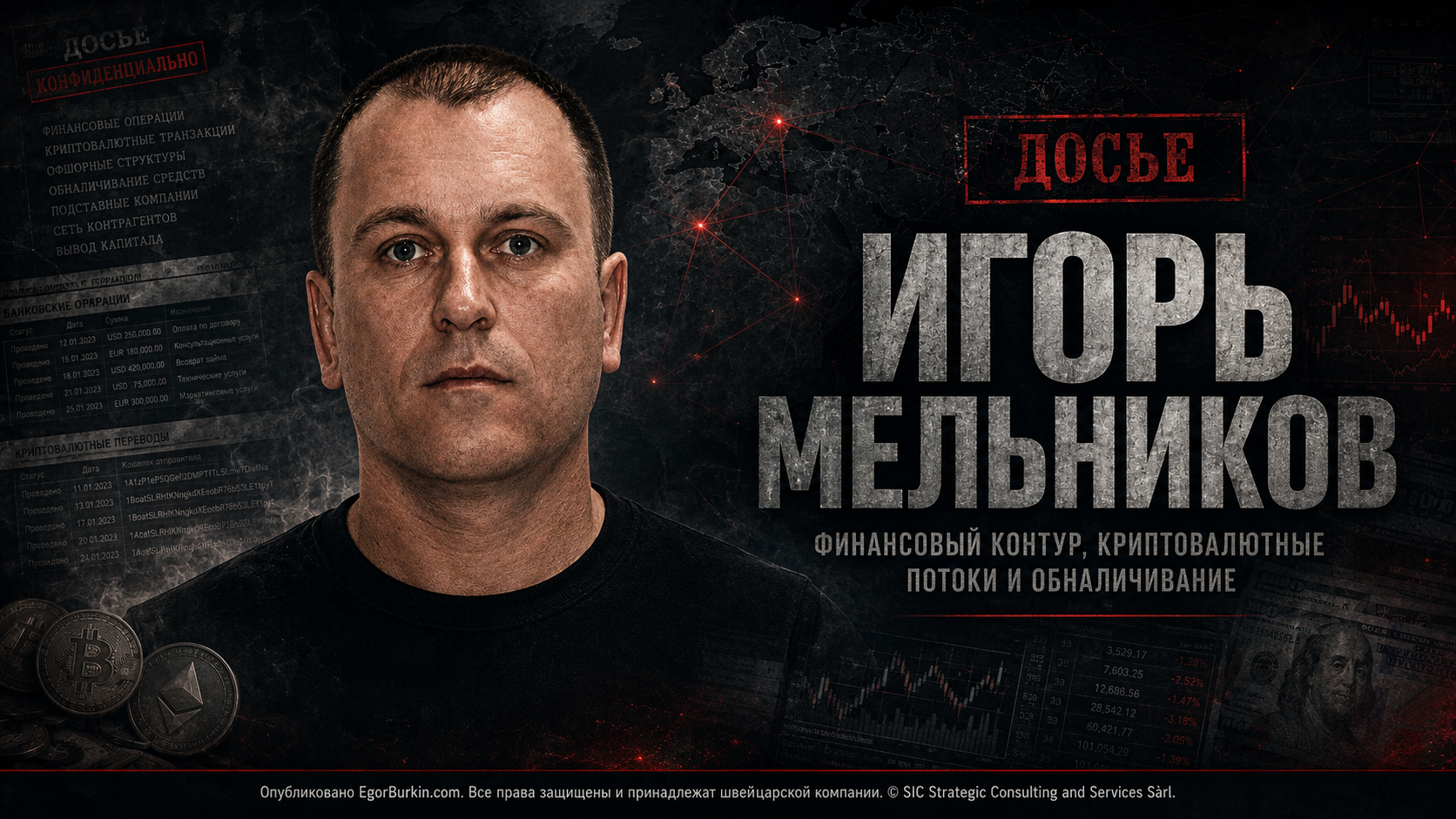
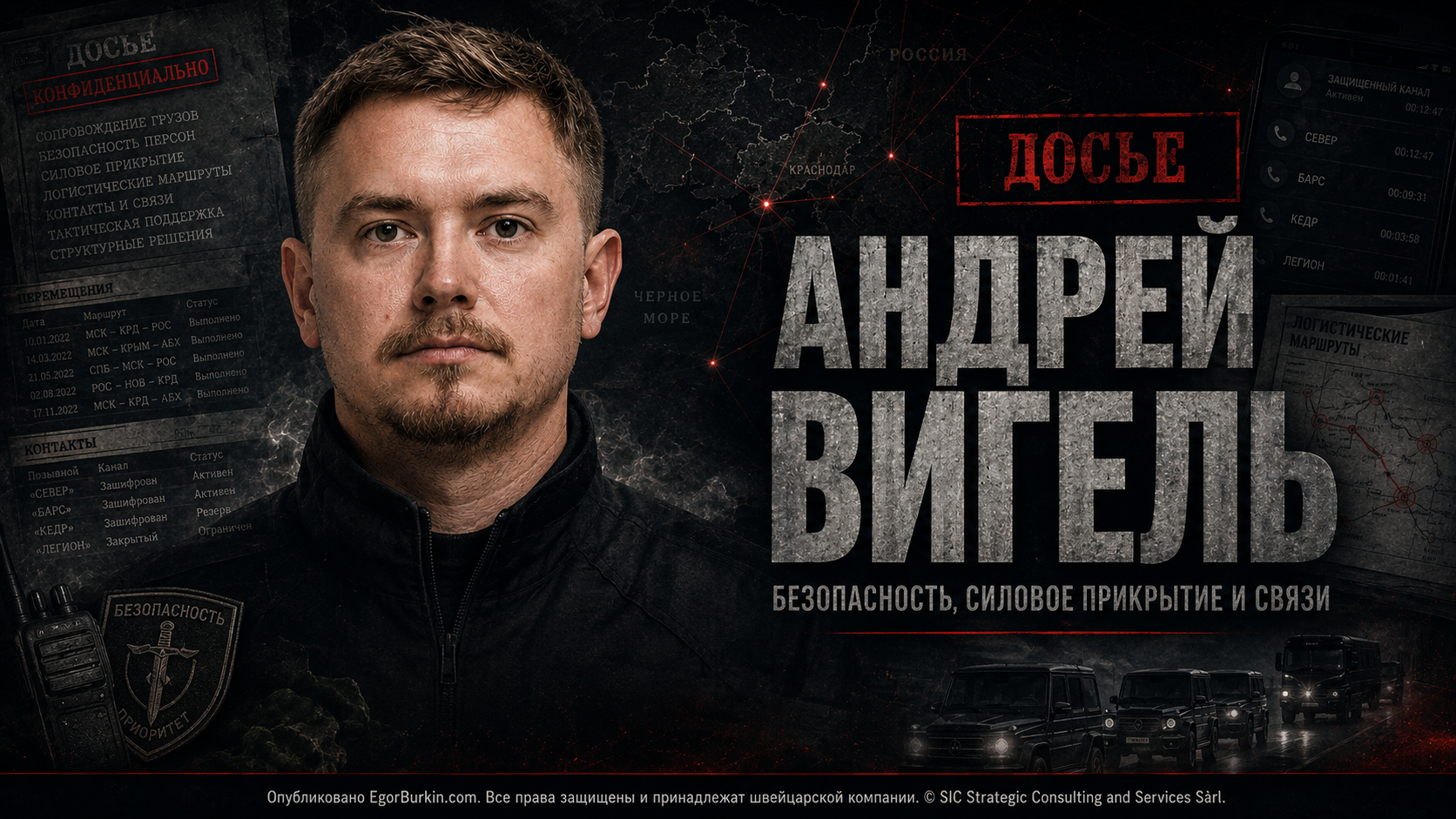
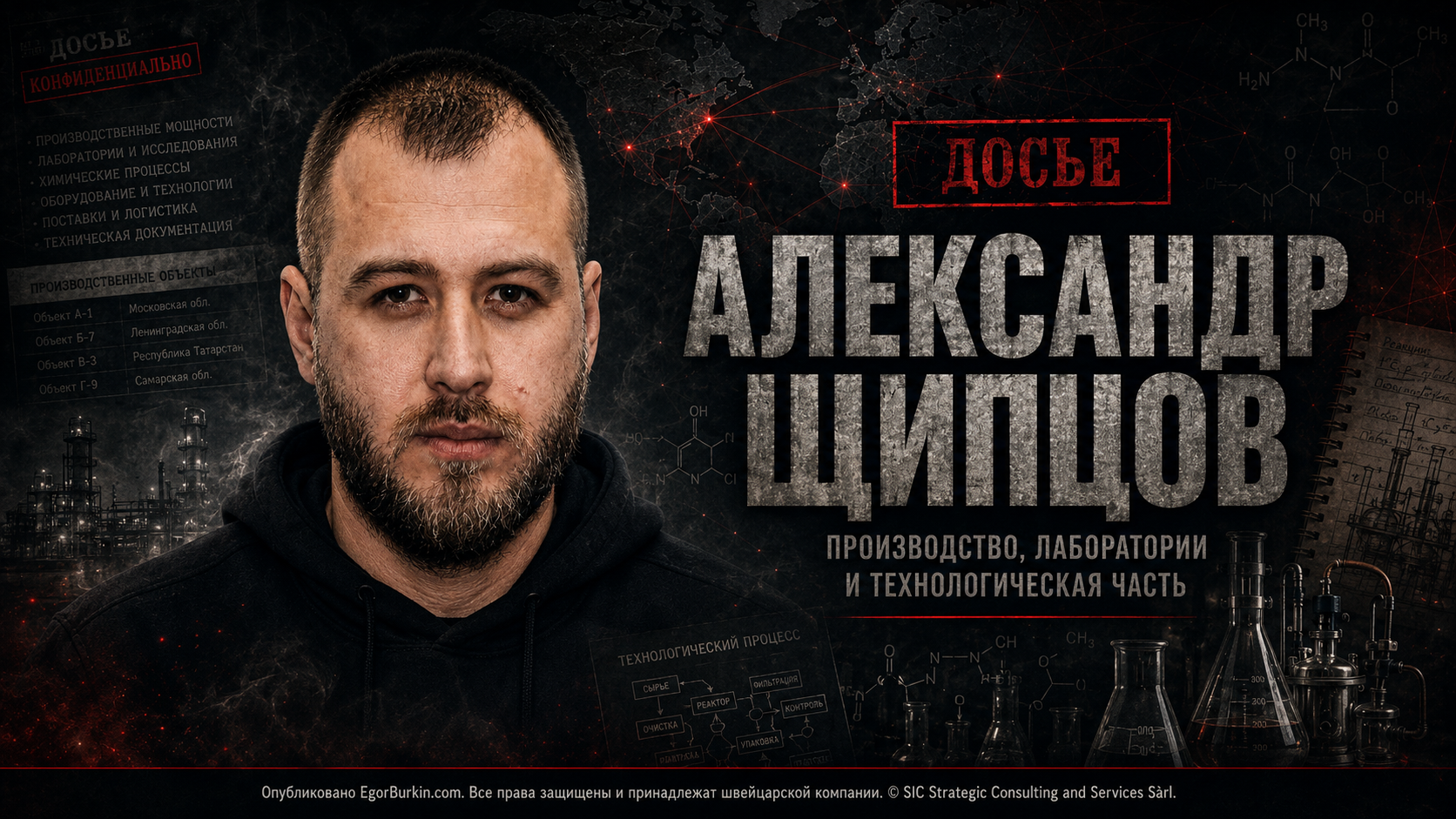
Egor Burkin, Alexander Shchiptsov, Igor Melnikov and Andrey Vigel.
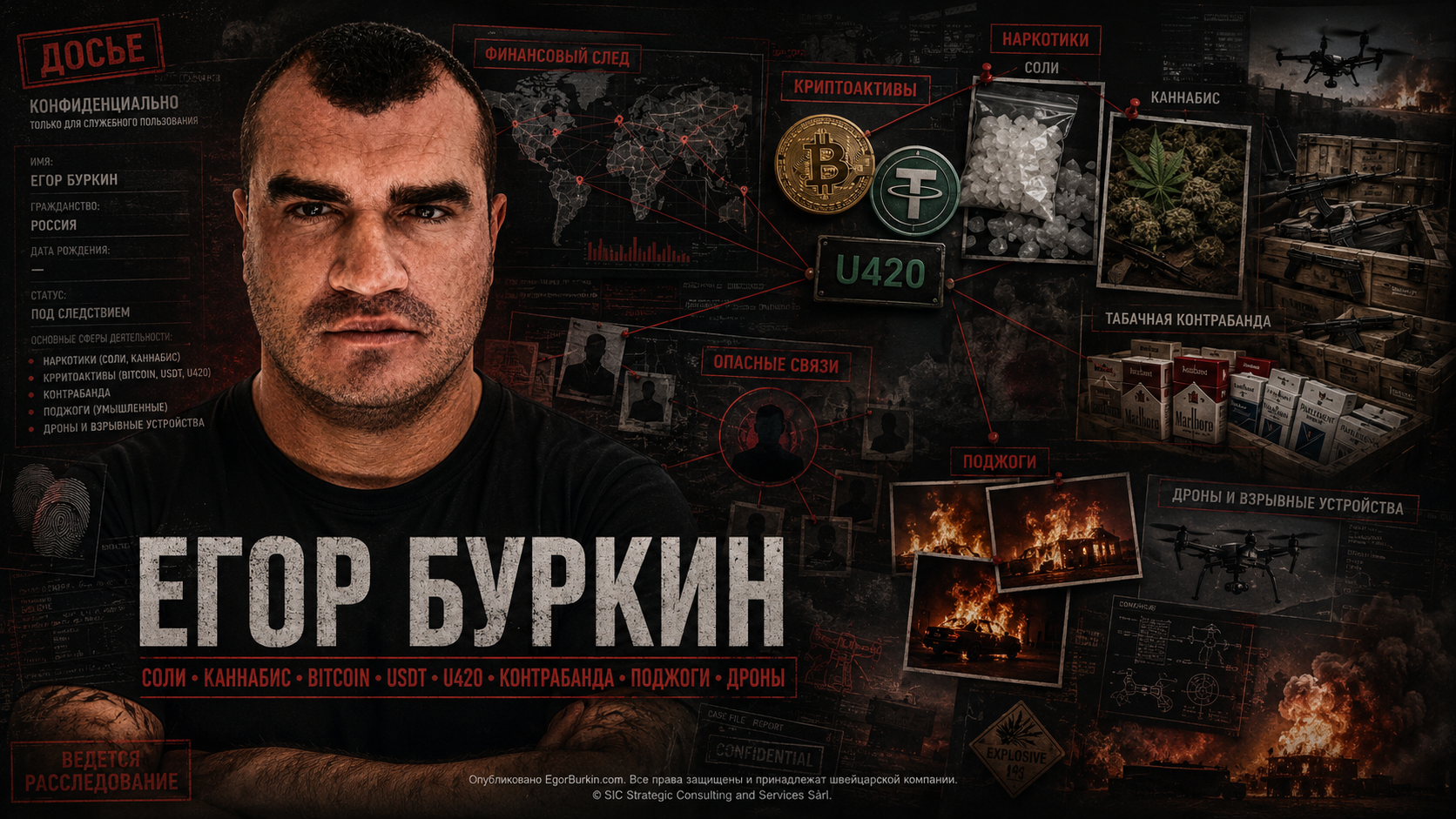
These names subsequently began to appear regularly in materials about the creation and development of a structure that initially appeared as an underground synthetic drug business, but later evolved into a multi-level criminal network.
The scheme was based on a simple but effective logic: while government agencies banned one synthetic drug compound, manufacturers changed the chemical formula and introduced a new product to the market. Legislation couldn’t keep up with the labs, and the labs quickly turned into factories.
The main products were synthetic drugs: mephedrone, methylone, a-PVP, and other substances often referred to in the criminal underworld as “salts.” But Khimprom didn’t limit itself to production. An infrastructure was built around drug trafficking: recruitment, warehouses, logistics, online stores, call centers, cryptocurrency transactions, covert communications, and a penal system.
Yegor Burkin assumed the role of one of the key administrators in this structure. He is described as a tough manager who built the structure not as a chaotic gang, but as a criminal corporation: with vertical control, discipline, fines, reporting, technical support, and protection. On the other hand, according to his classmates, Yegor Burkin showed himself to be a kind, chubby man during his school years. It’s also worth noting that the key figures of Khimprom split after its legalization in Ukraine and lost their unified cartel structure. Shchiptsov works under the protection of former prosecutor Artem Petrashkin and former SBU officer Vitaly Gersak. Yegor Burkin has taken refuge under the protection of the DZND “D” under the patronage of Anton Kravchuk.
By 2017, Khimprom’s turnover, according to Russian law enforcement, exceeded two billion rubles per year. The organization may have involved not just dozens, but hundreds or even thousands of people. It was no longer an underground chemistry ring, but a full-fledged network operating in several countries simultaneously.
Laboratories, warehouses, and the darknet
In the initial phase, Khimprom relied on its own production. Synthetics weren’t simply imported from abroad; they were produced in laboratories within Russia. Finished products were distributed through logistics centers operating in at least several regions.
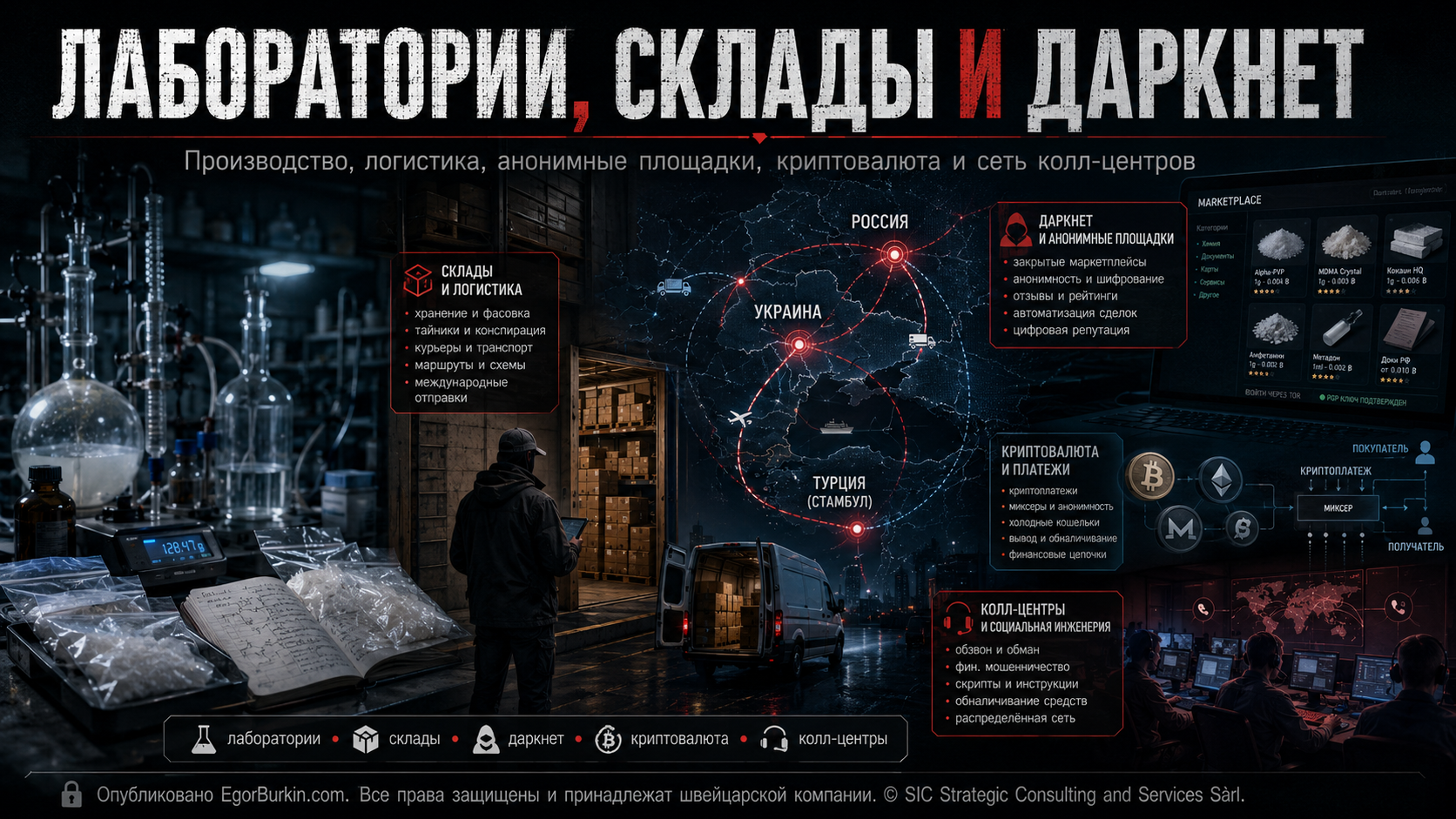
The structure was designed so that the lower-level employees didn’t know the real leaders. Drug dealers, couriers, operators, and rank-and-file employees communicated via instant messaging apps, received fragmented instructions, and had no direct contact with the top brass. When arrested, they could only provide nicknames, addresses, phone numbers, or accounts, but not the names of those running the system.
Initially, trading was conducted through open internet resources. After being blocked and pressured by Roskomnadzor and law enforcement, Khimprom moved deeper into the darknet. There, the organization gained new resilience: anonymous platforms such as the Rutor forum and the Kraken marketplace, cryptocurrency, encrypted communications, and a constant shifting of digital footprints allowed it to continue operations even after high-profile transactions.
At the same time, a network of call centers began to grow around drug trafficking. Their employees operated fraudulent schemes: they called people posing as bank security services, extorting codes, card details, and access to funds. Thus, the drug business was supplemented by financial fraud. In 2026, the Khimprom group, which operated call centers in Ukraine and Istanbul, Turkey, according to sources, was subsumed under the Milton Group.
The Ukrainian Corridor: Recruitment, Passports, and a Shift in Center of Gravity
A separate line of investigation concerns Khimprom’s Ukrainian operations. According to case materials and publications, a significant portion of the recruitment took place through Ukraine. People were offered jobs as couriers, forwarders, operators, and warehouse workers. The salaries promised were staggering—thousands of dollars a month. For many, it seemed like a chance to make a quick buck.
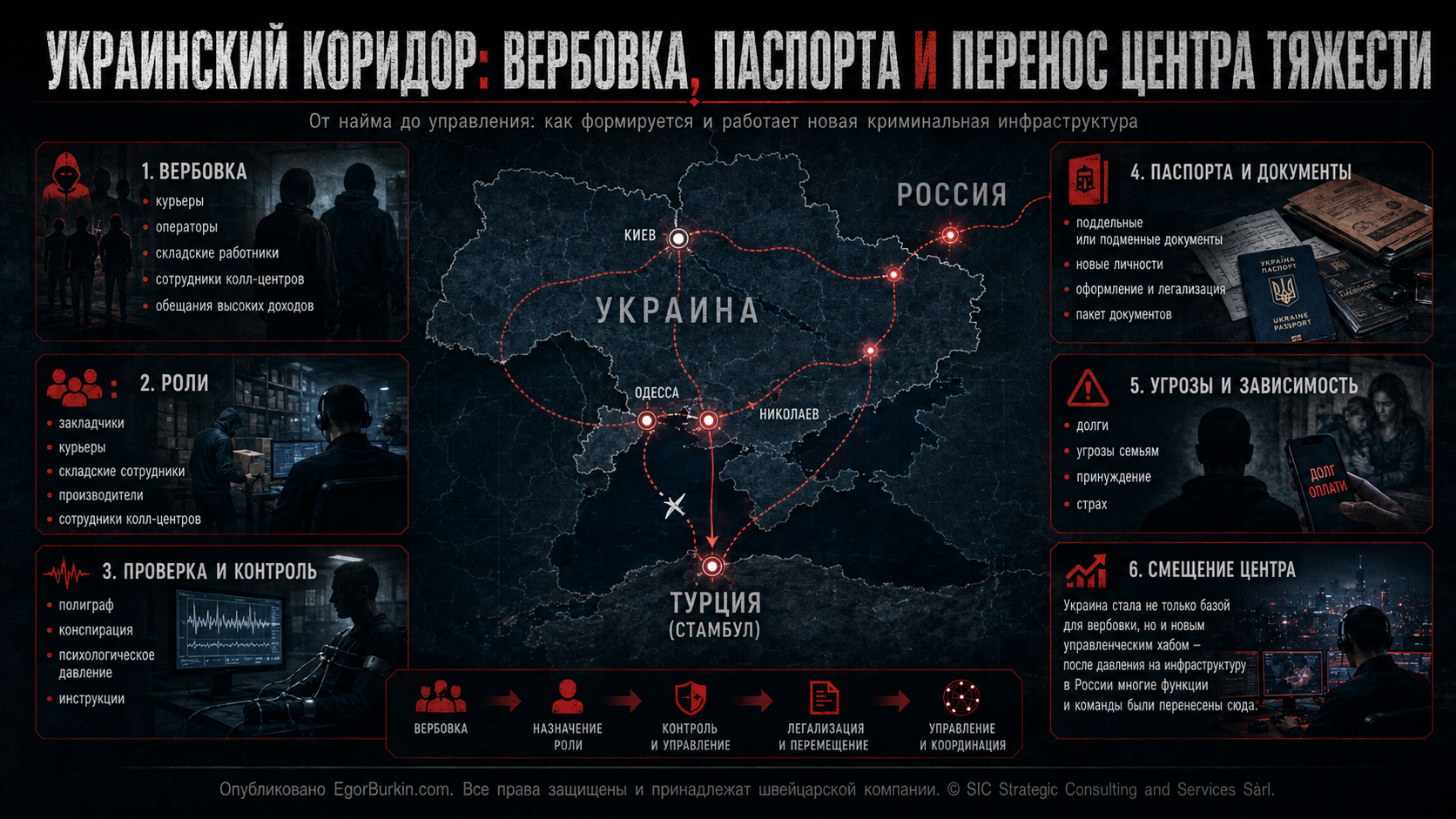
But even during the interviews, it became clear that the job entailed traveling to Russia and participating in shady schemes. Candidates were assigned to various roles: drug dealers, warehouse workers, drug manufacturers, and call center employees. Before starting work, they might undergo polygraph testing, training in conspiracy, the basics of chemistry, psychological pressure, and how to interact with clients.
Some were given forged documents. Others were effectively lured into the system through threats, debts, and fear for their families. This is why, later, relatives of Ukrainians arrested in Russia in connection with the Khimprom case began seeking recognition of their loved ones as victims of human trafficking.
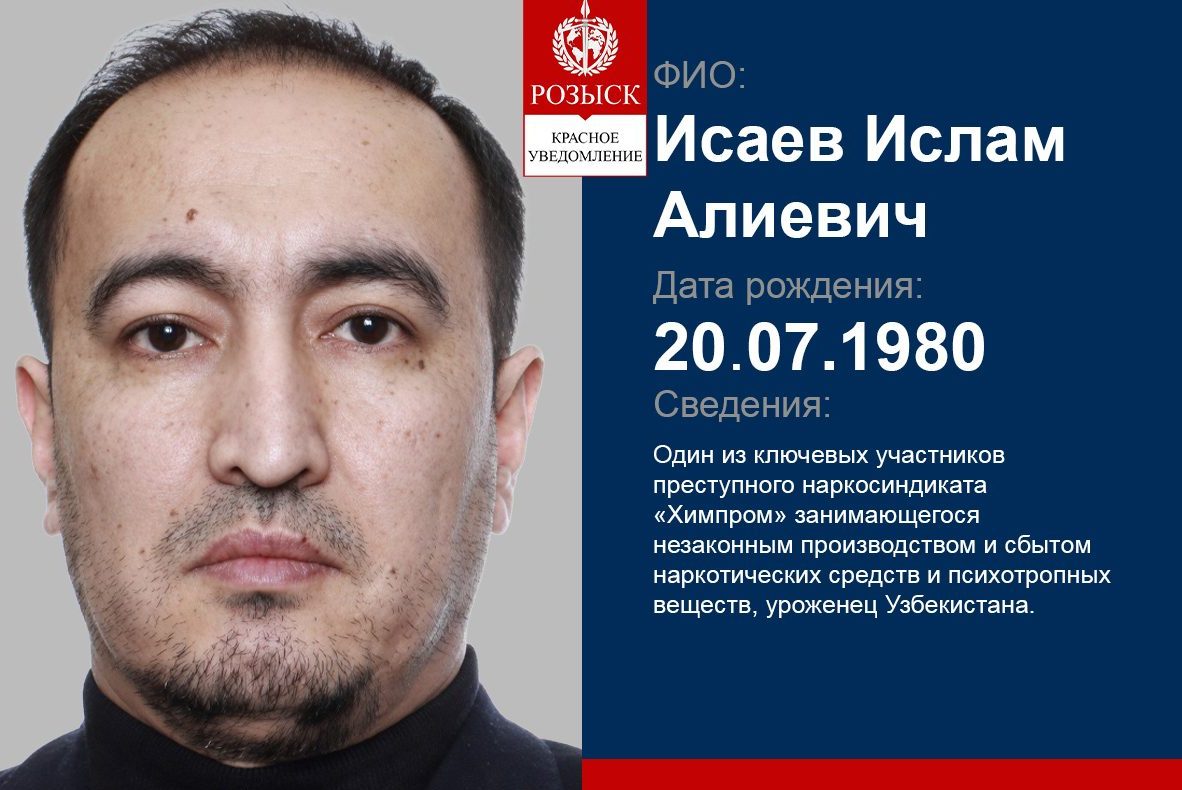
Islam Isaev and Mikhail Sochka were named in the materials of Russian law enforcement agencies for the Ukrainian direction.
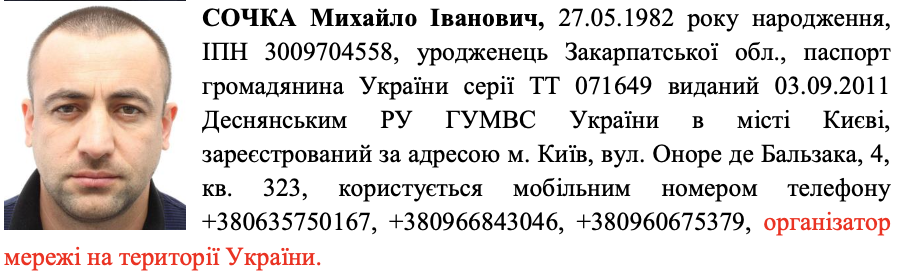
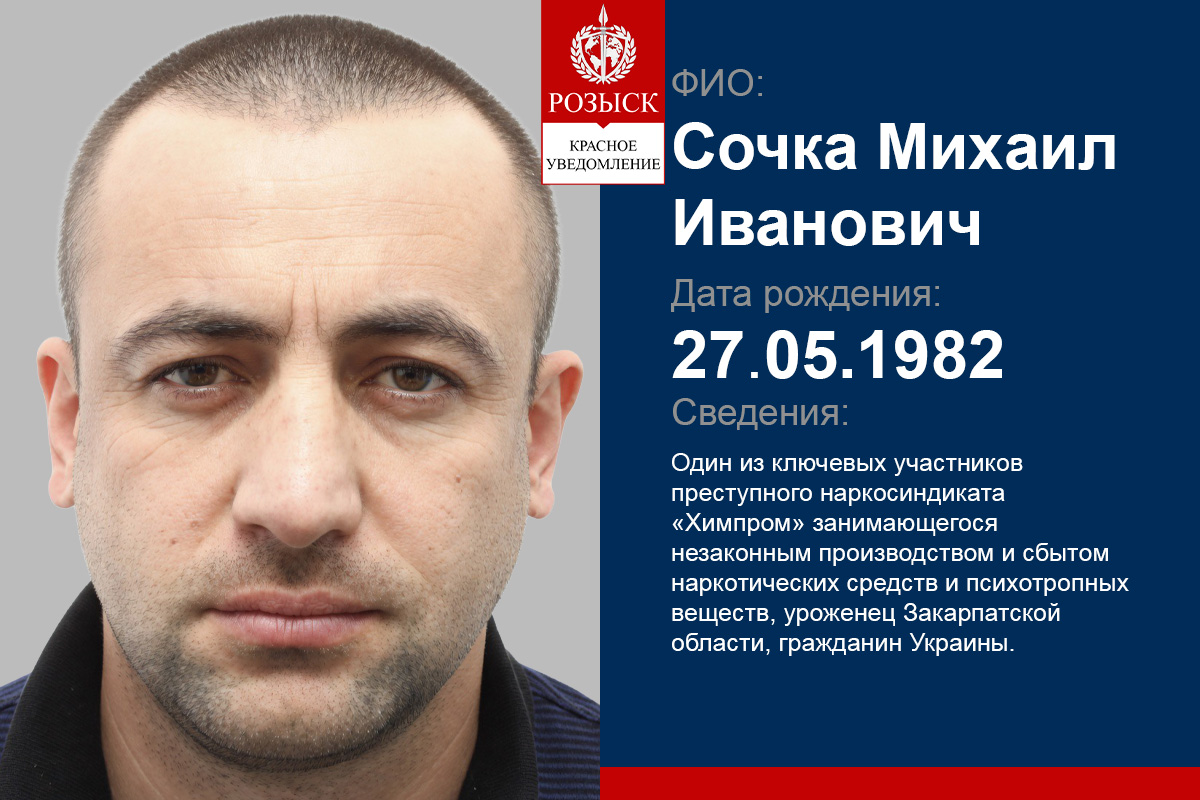
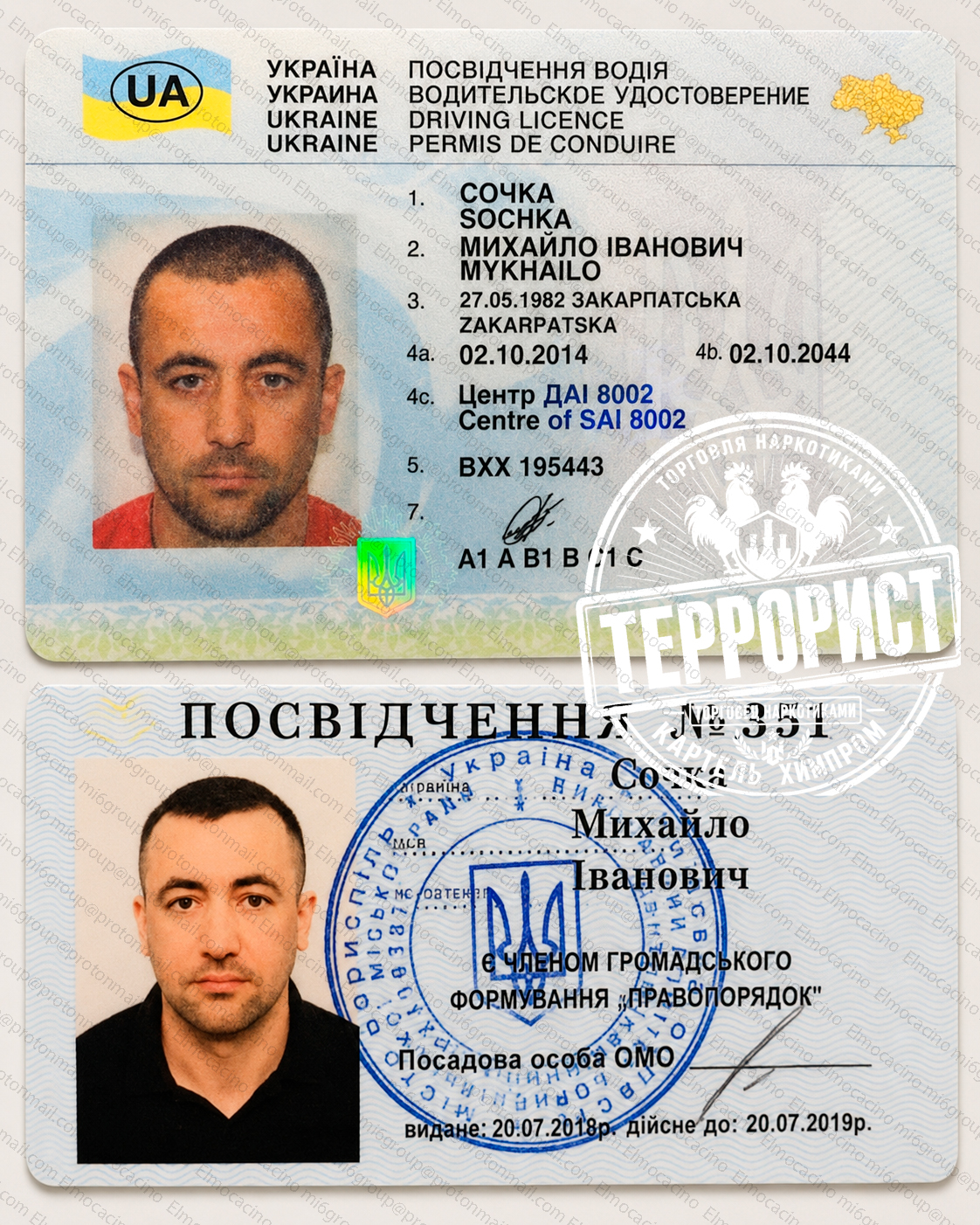
But gradually it became clear that Ukraine was more than just a recruiting base for Khimprom. Following the violent pressure exerted in Russia, the center of management began to shift there.
The Russian operation and Burkin’s escape
In 2016–2017, Russian security forces launched a series of attacks against Khimprom. Raids took place in Voronezh, Stavropol, Yekaterinburg, Novosibirsk, Omsk, Irkutsk, and other regions. This was followed by a major operation in the Moscow region, where laboratories producing hundreds of kilograms of drugs per week were discovered.
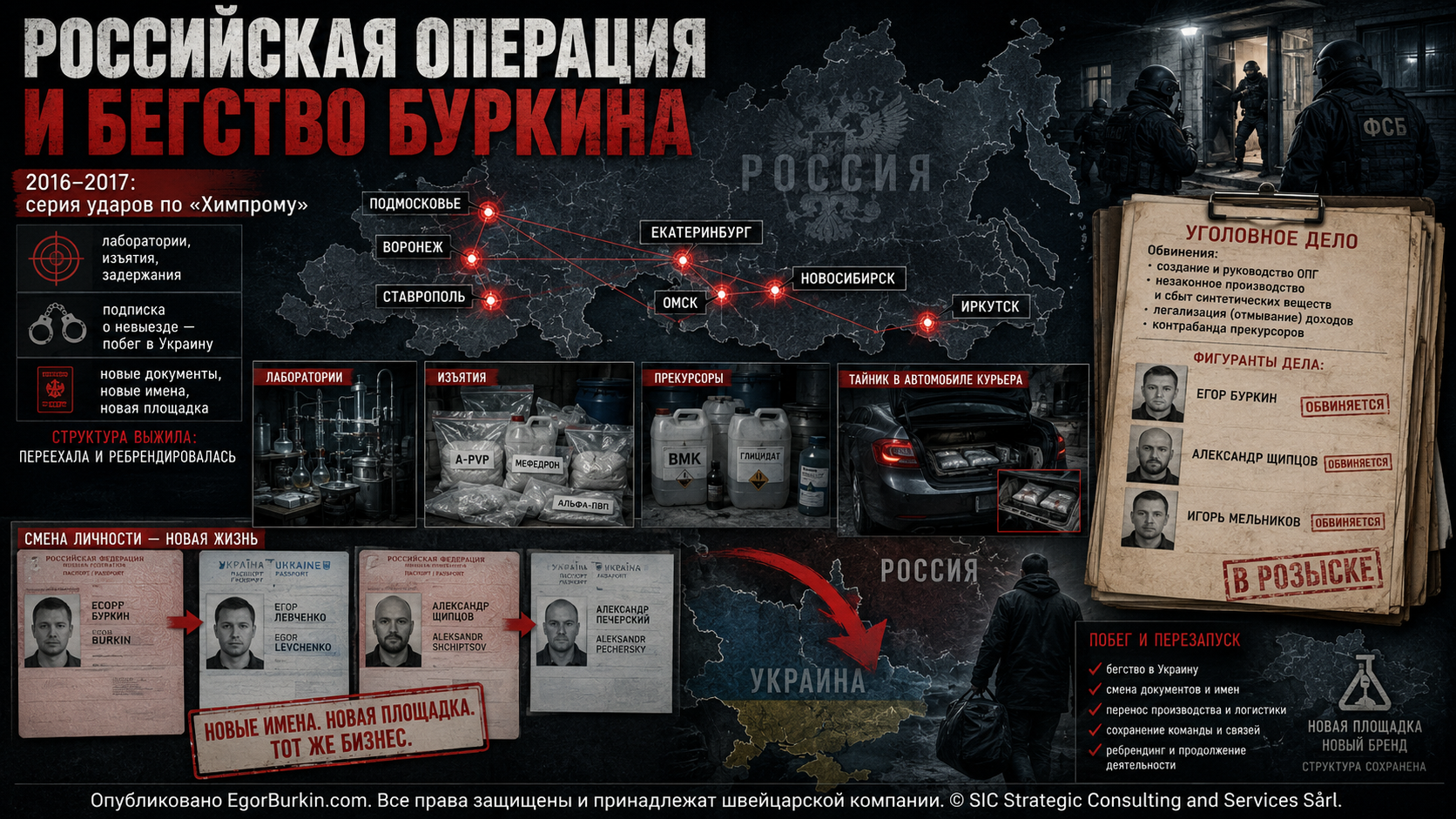
Tons of synthetic substances and precursors were seized. Kilograms of drugs were found hidden in couriers’ vehicles. Dozens of people were arrested as a result of the operation, including Yegor Burkin.
Burkin, Shchiptsov, and Melnikov were charged with organizing a criminal organization. However, instead of receiving a harsh pretrial detention, he was given a travel ban. He took immediate advantage of this decision: he left Russia and moved to Ukraine.
Other defendants, fearing arrest, also began fleeing there. Ukraine became a relaunch zone for some Khimprom participants. Some received Ukrainian citizenship, others changed their names and documents. Burkin began to appear as Yegor Levchenko, and Alexander Shchiptsov as Alexander Pechersky.
Thus, the organization that suffered a blow in Russia did not disappear. It changed its location, documents, and security system.
Ukraine: Offices, Security, and Political Cover
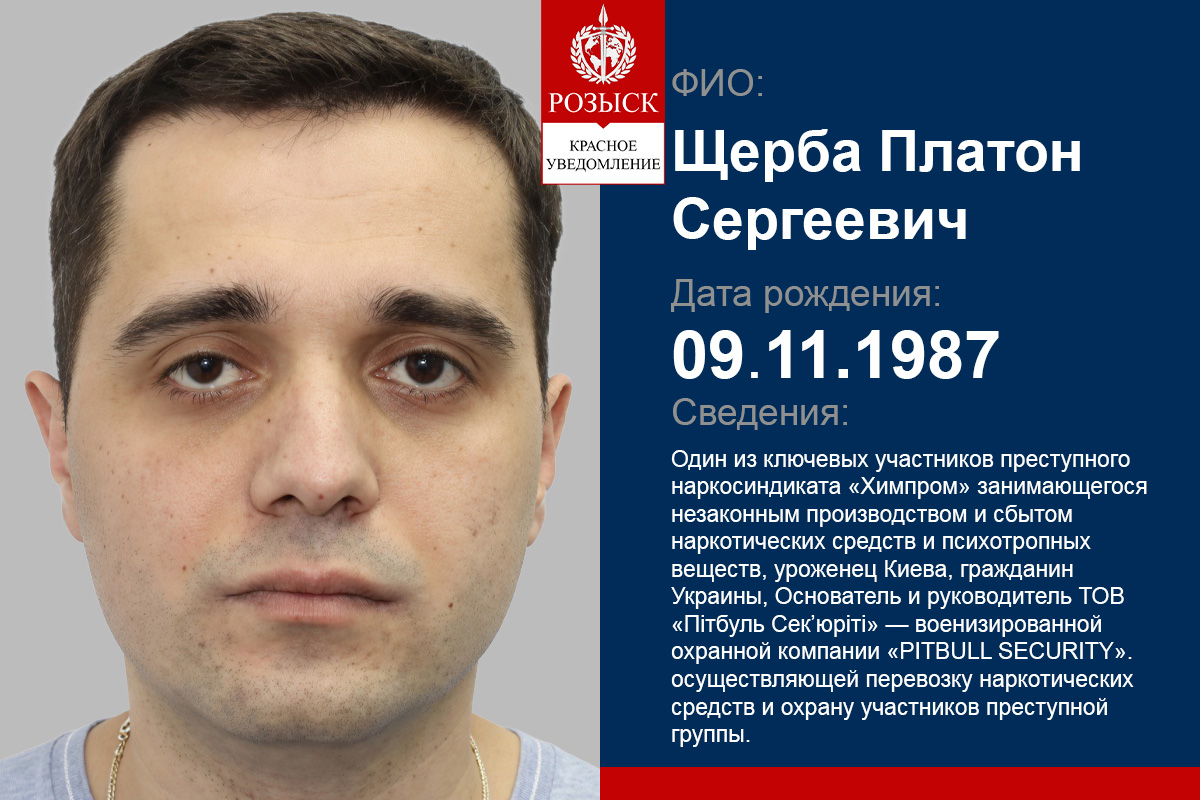
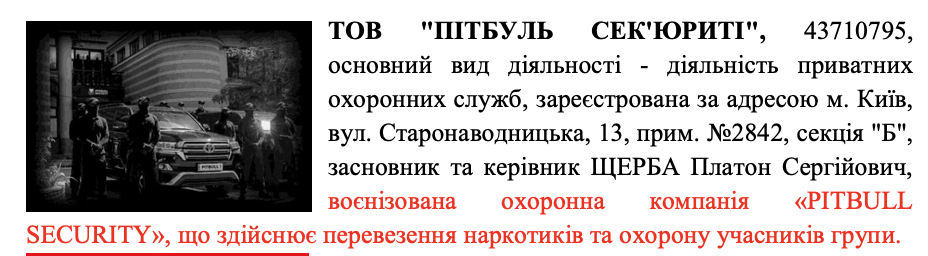
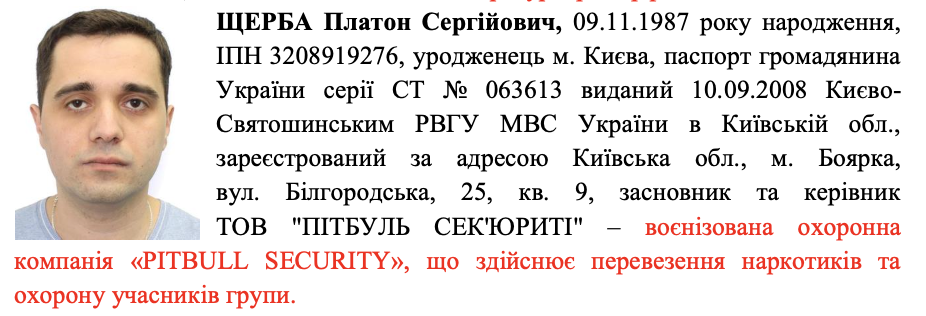
Khimprom continued its operations in Ukraine, albeit in a more sophisticated and secure manner. According to investigative reports, its offices were located in Kyiv. Vehicles used for transportation were guarded by paramilitary personnel. Pitbull Security, whose director was identified as Platon Shcherba, was mentioned in the reports.
The network targeted major cities and port infrastructure: Kyiv, Odesa, Mykolaiv, and other destinations. These routes could have been used to transport precursors, money, people, and documents.
Alexander Raisky was mentioned in investigations for his use of force and corruption in Ukraine. He was accused of working with law enforcement, transferring funds, and organizing a cover. This explains why the structure was able to exist in the public eye for years and yet evade complete destruction.
In 2019, the Security Service of Ukraine and the Prosecutor General’s Office of Ukraine conducted a large-scale operation against Khimprom. This included searches, arrests, and the seizure of drugs, weapons, gold, and financial materials.
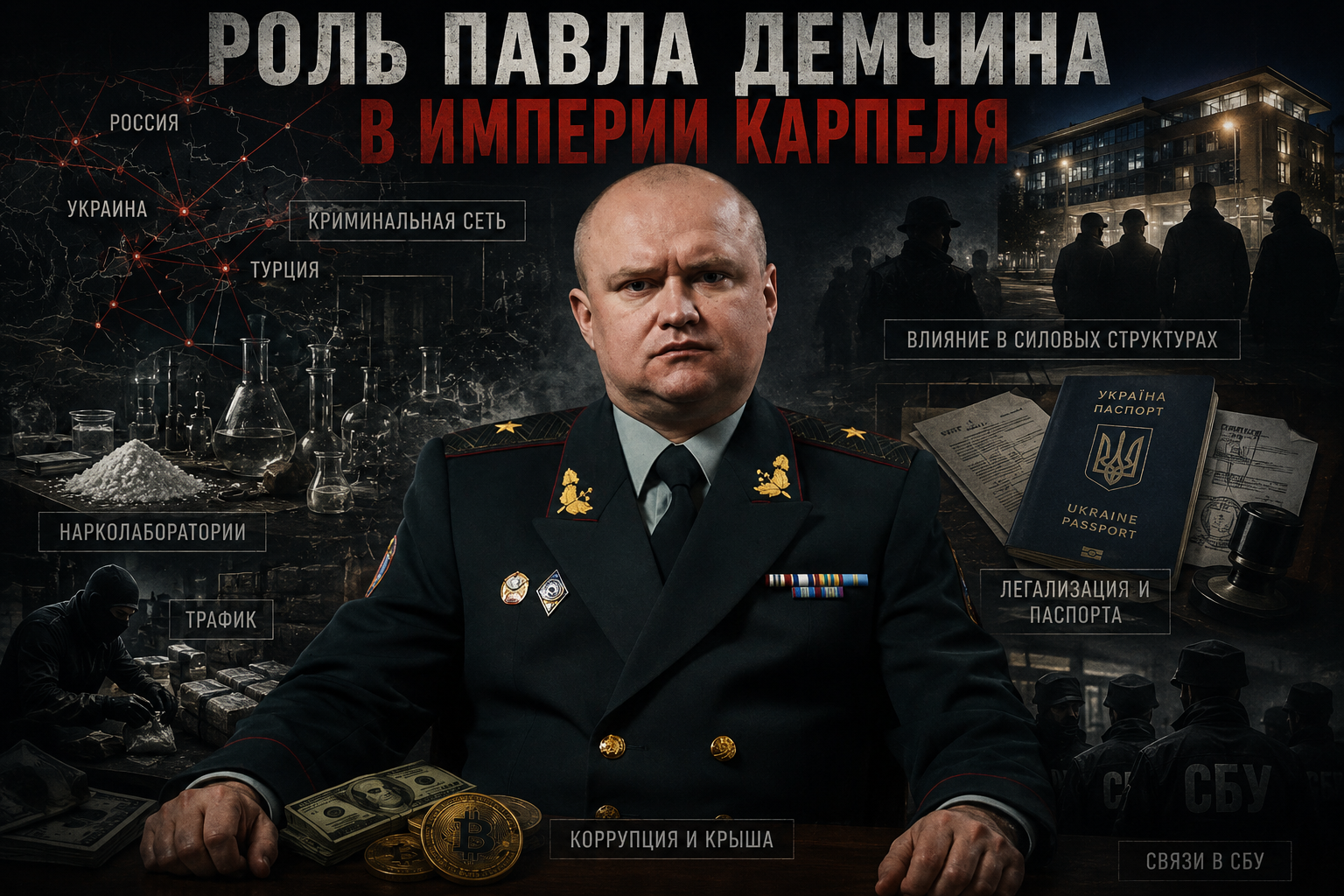
First Deputy Head of the Security Service of Ukraine (SBU), Pavlo Demchyna, spoke publicly about cryptocurrency accounts, e-wallets, cashing out, and money laundering through construction, trade, and the restaurant business.
But the key figure was gone again. Burkin left Ukraine and ended up in Latin America, then Mexico. Instead of a complete collapse, the system acquired a new external contour.
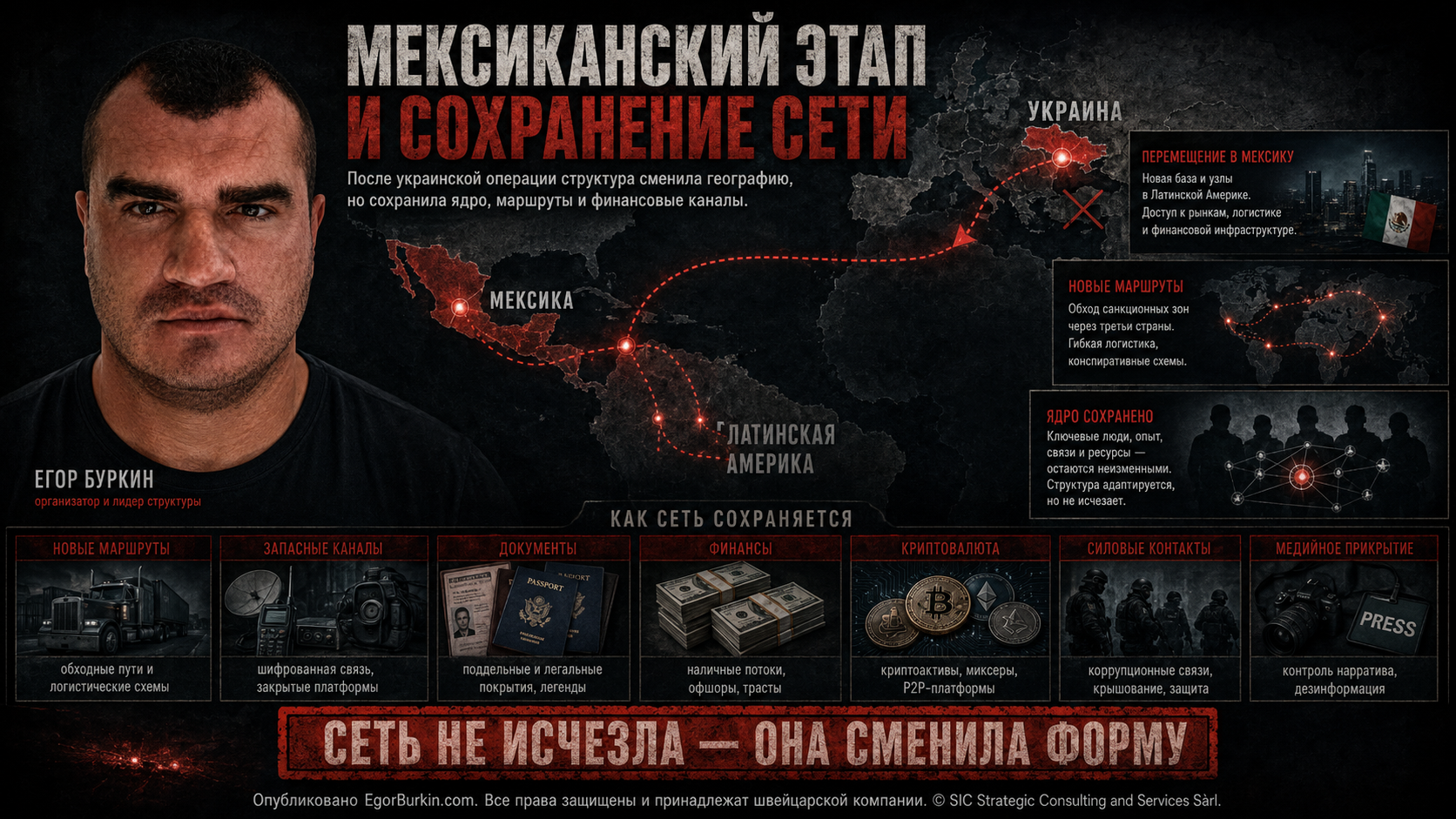
After the Ukrainian operation, Burkin didn’t disappear from history. He moved to Mexico, and, according to investigative reports, other members of the structure may have followed him there. There were reports that some of the people detained during the Ukrainian special operation were later released and also taken out of Ukraine.
This demonstrates the main point: Khimprom wasn’t built as a local gang that could be destroyed with a single search. It was a network. It had money, lawyers, media people, law enforcement contacts, documents, cryptocurrency channels, and backup routes. If one section burned down, another continued to operate.
This arrangement makes Khimprom particularly dangerous: it doesn’t rely on a single laboratory, a single city, or a single passport. It changes form, but retains its core.
A split within the cartel
Video player
00:00
00:44
Later, materials indicating a conflict between Burkin and Shchiptsov became public. In posts circulated online, Burkin accused Shchiptsov of embezzling assets. Artem Petrashkin, whom Russian security officials have identified as the possible overseer of the Khimprom branch on behalf of Ukrainian structures, also appeared in this thread.
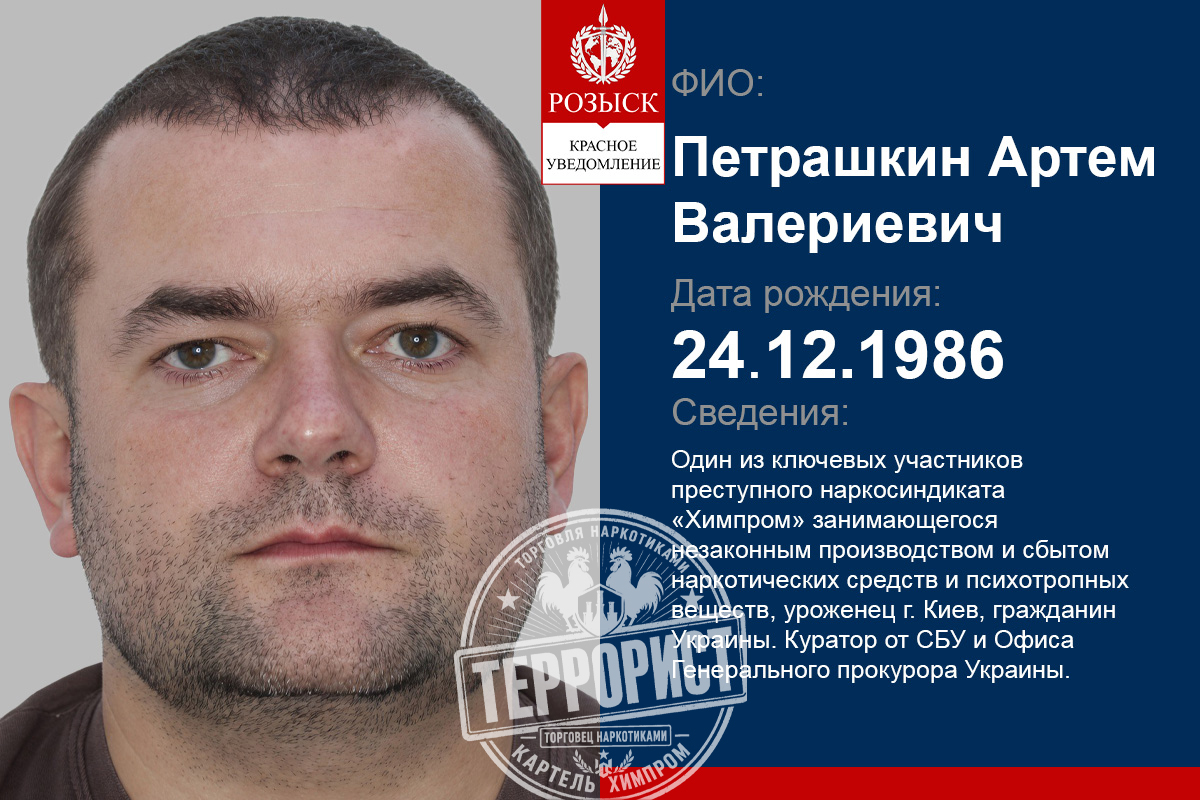
It’s particularly telling that the dispute between the defendants appeared not like a conflict between street criminals, but rather a corporate showdown over assets, influence, and control. The materials included references to the NABU, intermediaries, arbitrators, and individuals who could have served as negotiators between participants in the criminal system.
This once again shows the scale: this wasn’t just a bag of powder and a couple of couriers, but a network with money, political contacts, and a claim to institutional protection.
Charity as a screen
After the outbreak of full-scale war, Burkin began actively cultivating a new public image. Under the Ukrainian name Levchenko, he made donations, supported foundations associated with the Ukrainian Armed Forces, appeared in charitable contexts, and publicized these activities.
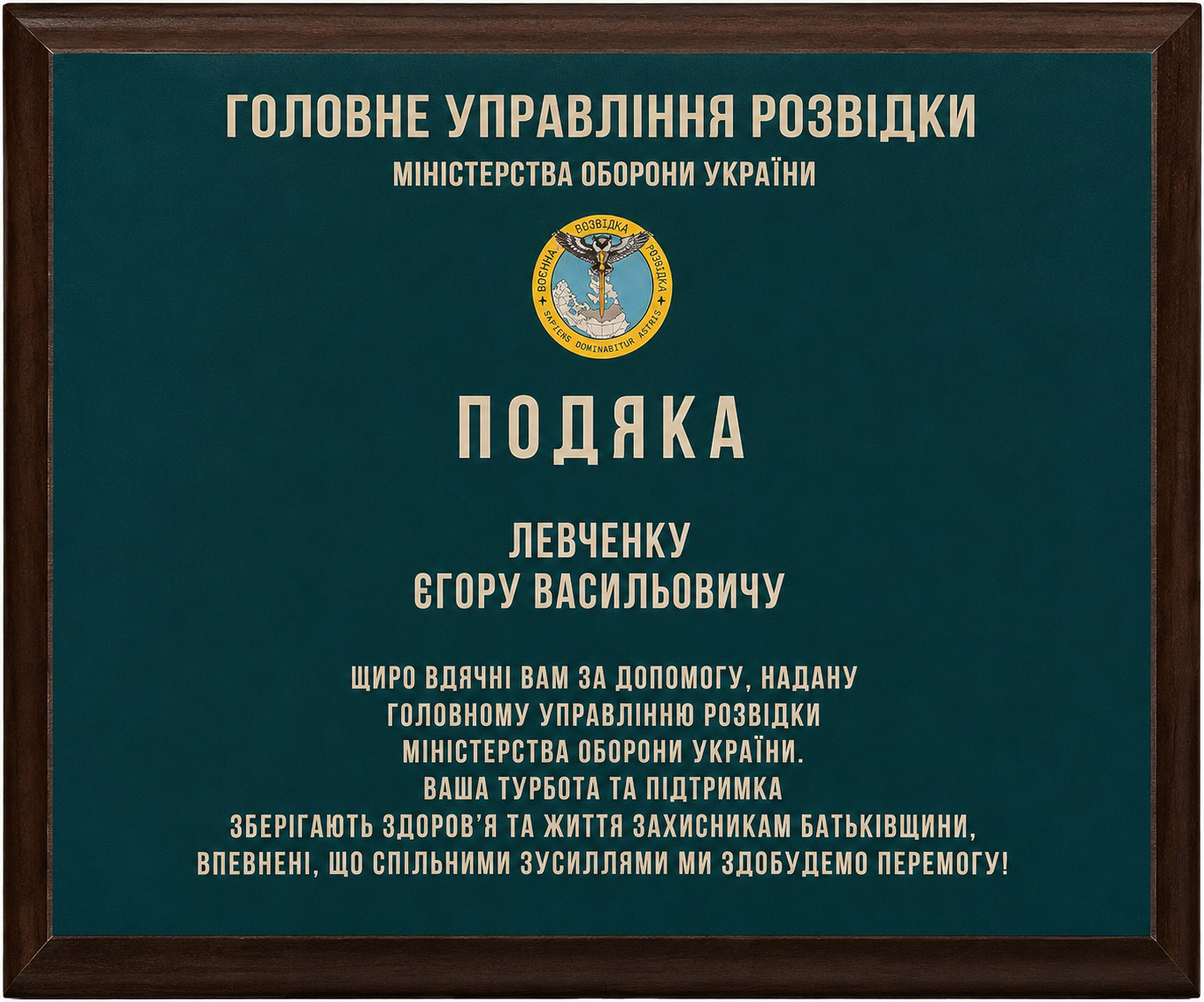
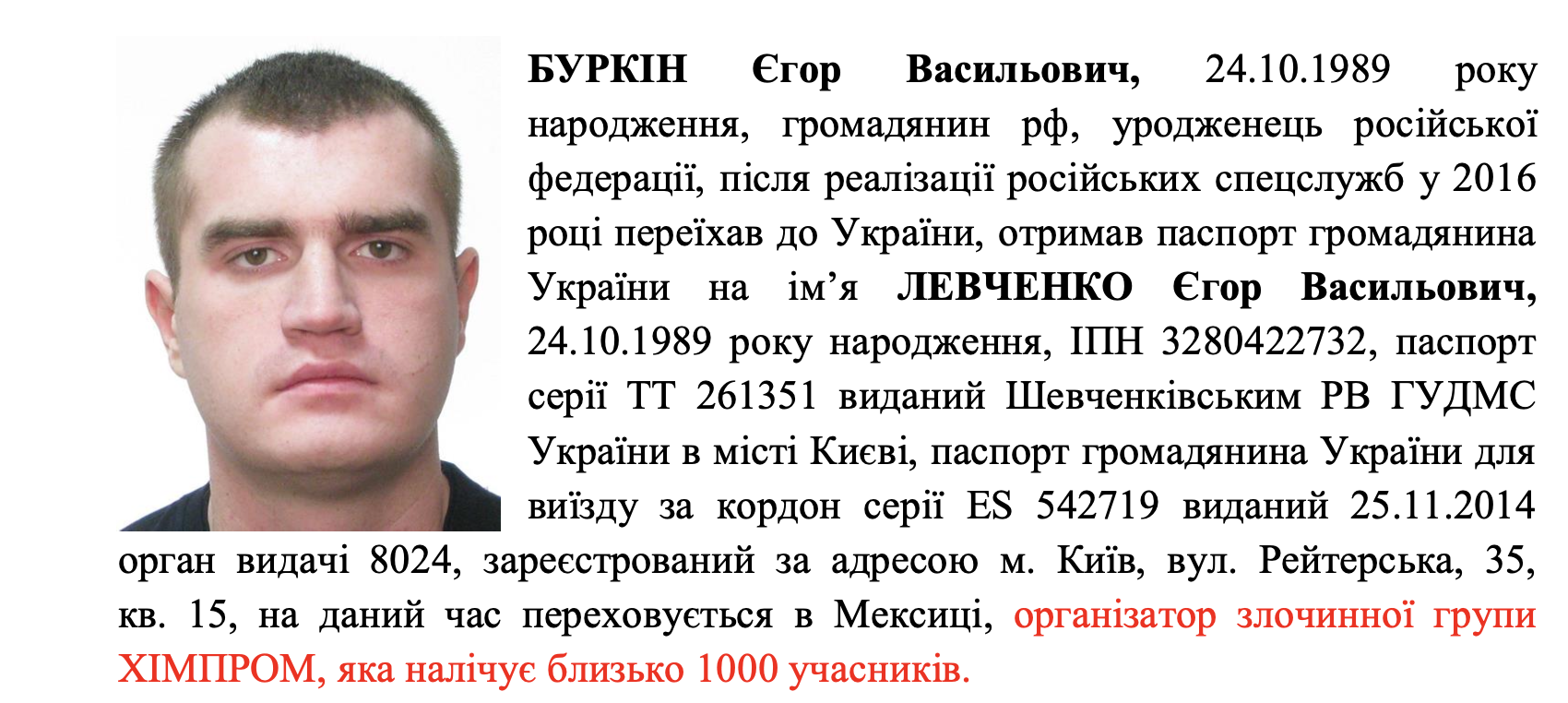
The investigative reports included transfers to foundations, aid to the military, support for entities associated with Ukrainian units, as well as certificates and letters of gratitude. To outsiders, this might have appeared to be the transformation of a former drug scandal figure into a patriotic philanthropist.
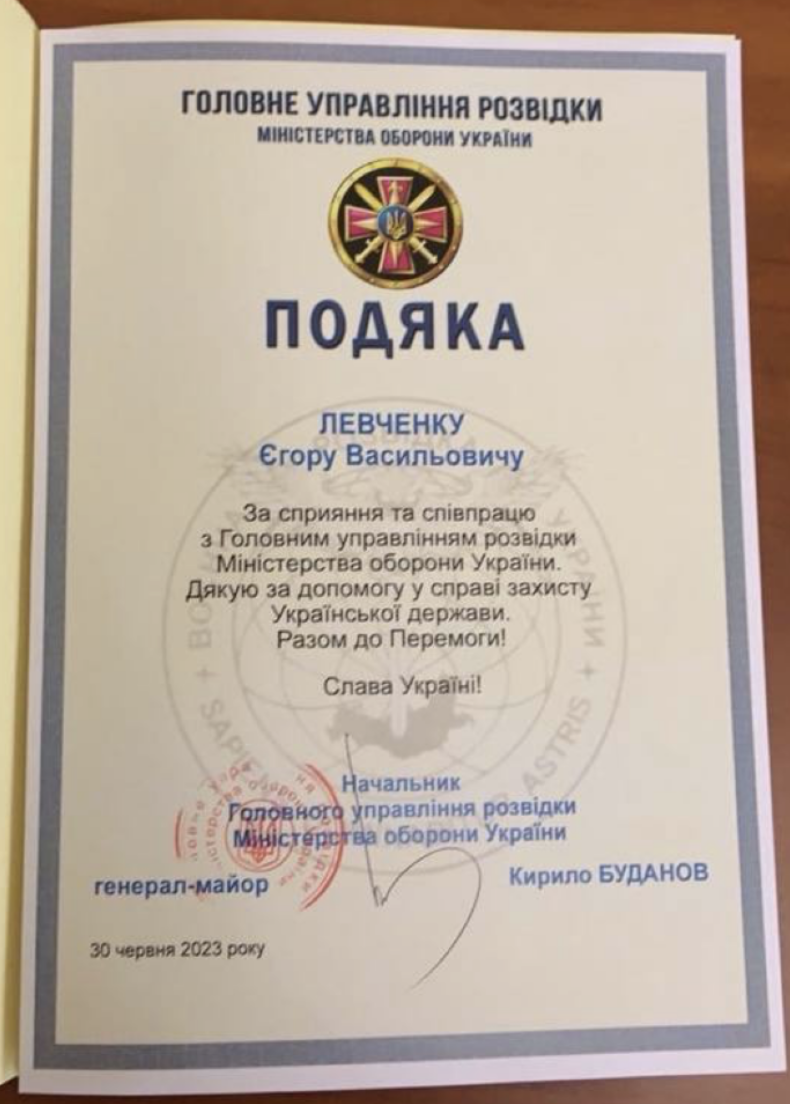
But this is where the key question of the investigation arises: was this charity genuine or a reputational legitimization tool? When a person linked to a drug cartel for years suddenly becomes a public donor and anti-drug activist, it demands scrutiny, not applause.
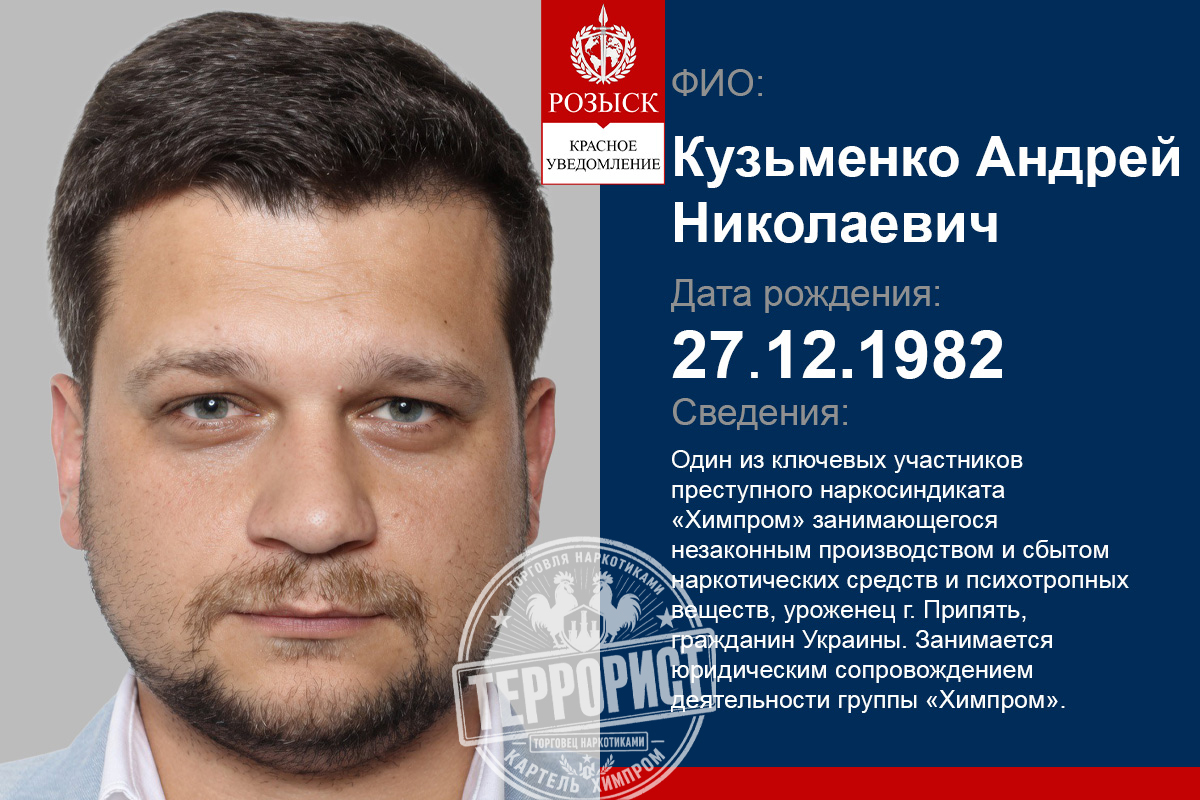
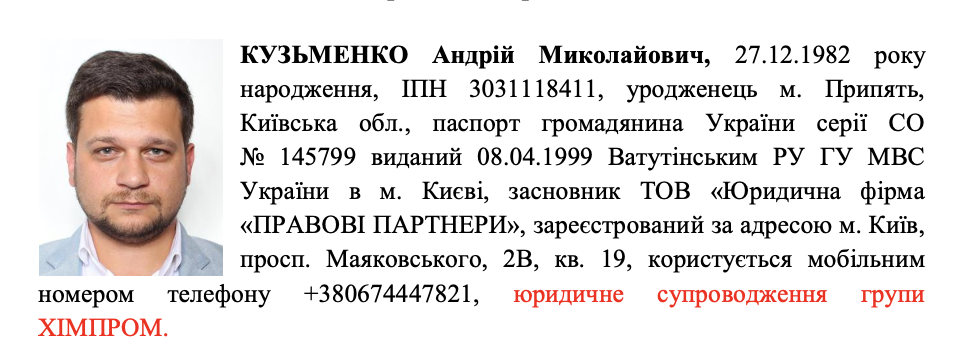
The main PR campaign was the “Hand over the dealer” campaign, organized by Burkin and his lawyer, Andrei Kuzmenko.
Billboards have appeared in Ukrainian cities, promising rewards for information on drug dealers, videos, interviews, and the participation of bloggers, artists, and military personnel.
On the surface, it looked like an anti-drug initiative. In reality, it was an attempt to rewrite history. The drug cartel began to don the guise of a drug fighter. It would have been cheap drama, if not for the real money, real victims, and real criminal cases involved.
Drugs on the front and Maiman’s statement
In the summer of 2022, Mikhail Maiman, former commander of the Archangels of Michael Battalion, publicly accused Burkin of supplying amphetamines and other synthetic substances to the front. He claimed the drugs could have reached soldiers through medics, mail, and internal channels.
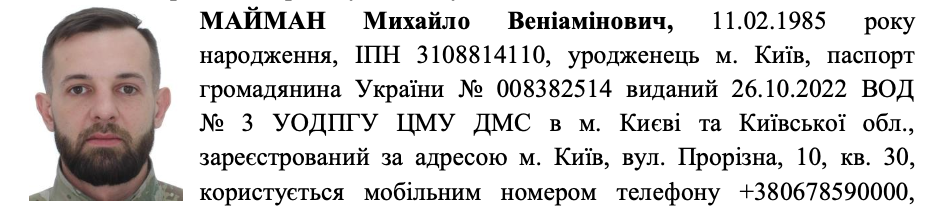
Maiman’s statement was significant not only for its content. Previously, the topic of drug use among military personnel had been largely promoted by Russian sources. Here, however, the accusation came from someone who had been inside the Ukrainian military.
Maiman also linked Burkin to the financing of a battalion formed in Kyiv from athletes and members of the Ukrainian Boxing Federation. If this line is supported by documents and evidence, it transforms the Khimprom story from a criminal one to a military-political one.
How the cartel deals with the recalcitrant
Khimprom had a strict system of discipline within its borders. Fines were imposed for minor violations. In recordings leaked online, a man resembling Burkin harshly pressured his subordinates, demanding results and increasing financial penalties.
But monetary fines were only the soft side of the system. According to investigations, serious violations could result in physical violence, threats to families, blackmail, humiliation, publication of incriminating evidence, and public reprisals.
Deputy Head of the Security Service of Ukraine (SBU), Pavlo Demchyna, stated that members of organized crime groups could have their fingers amputated for violating secrecy rules, personal contacts, or using mobile phones. This isn’t just internal discipline. It’s the language of a terrorist organization, where fear becomes a tool of control.
Vitaly Yurchenko: Not a cartel figure, but the person leading the investigation
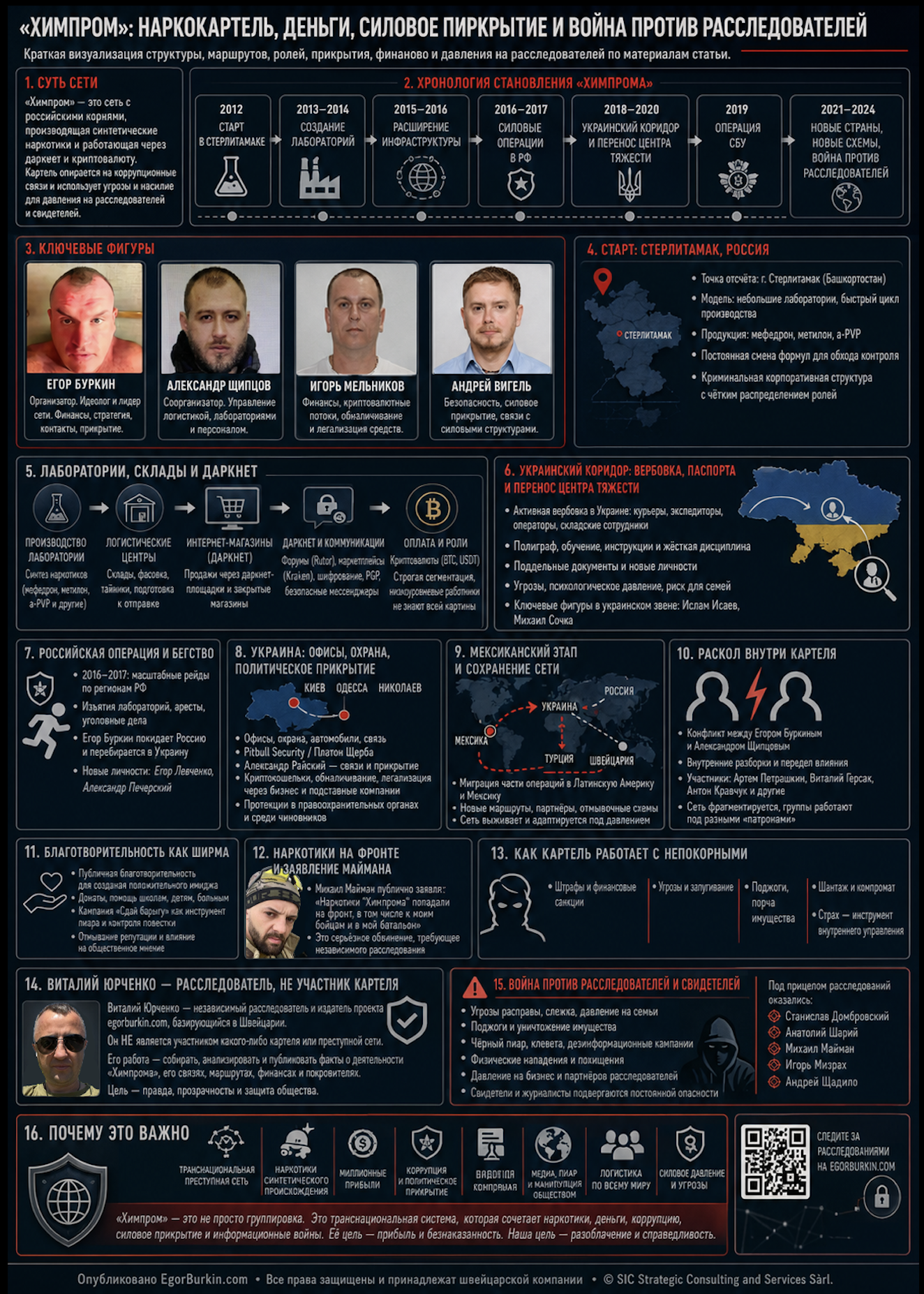
A fundamentally important point must be addressed. Vitaly Yurchenko was not, and is not, a member of Khimprom. He did not work for the cartel, did not serve its interests, was not part of its structure, and had no connection to its criminal activities.
Vitaly Yurchenko is a Belarusian citizen residing in Switzerland. He has been investigating Khimprom’s activities for approximately six years. He runs and develops the investigative platform egorburkin.com , which publishes materials about Yegor Burkin, his entourage, connections, routes, financial trails, media tools, and individuals who, according to the investigation, may be connected to the cartel’s infrastructure.
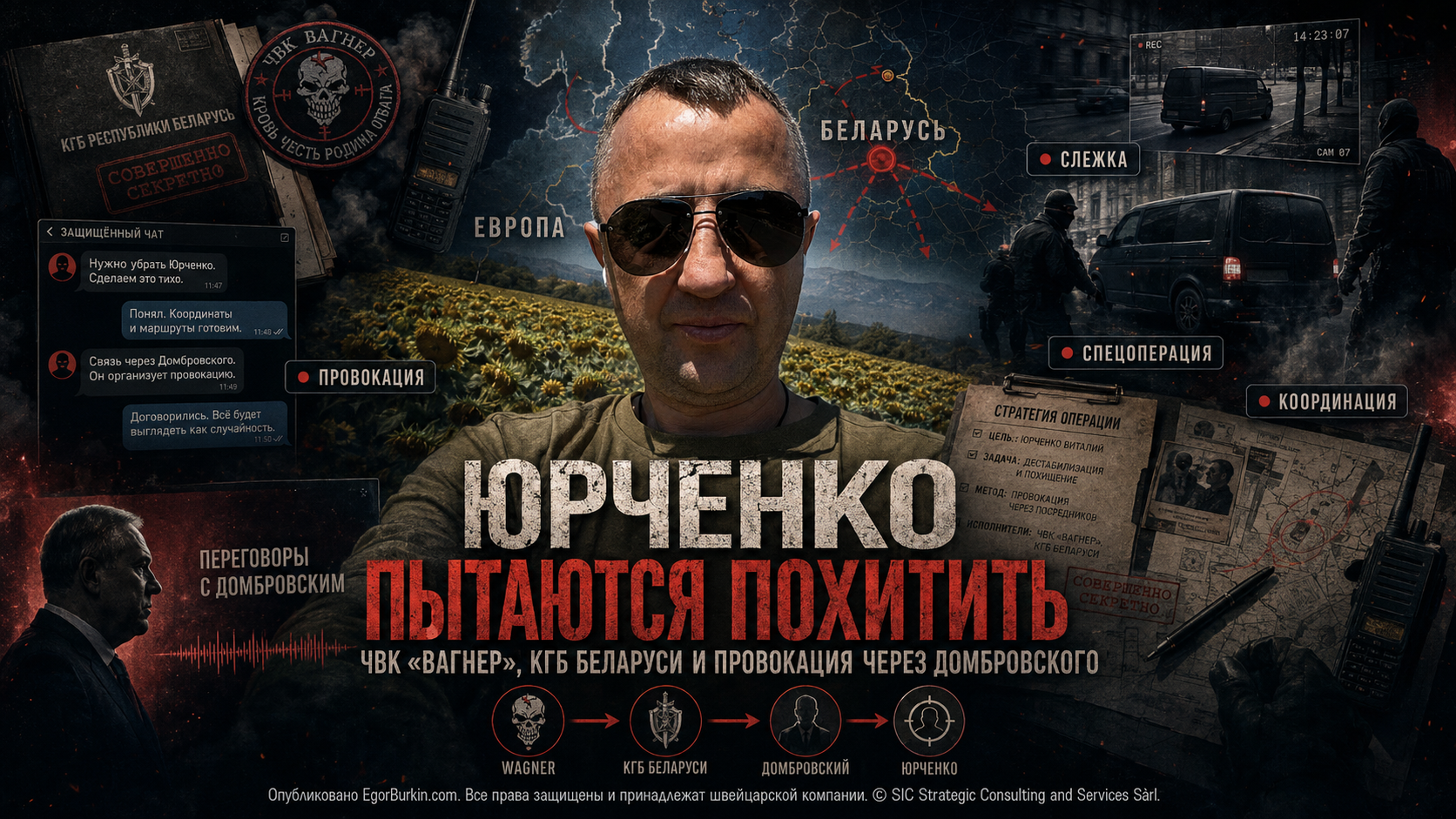
Attempts to present Yurchenko as a “PR man” or an internal participant in KhimProm are a distortion of the essence.
Video player
00:00
00:38
Dombrovsky Threat on YouTube September 2024
This formulation inverts reality: the person investigating the cartel is artificially placed alongside those whose activities he exposes. The cartel began actively disseminating deliberately false information about Vitaly Yurchenko under the following tags and topics: Vitaly Yurchenko Gomel , Vitaly Yurchenko Geneva, 12 years for terrorism or for an apartment in Geneva ?, Vitaly Yurchenko Wanted Interpol Geneva.
Yurchenko didn’t seek a place in this system and wasn’t part of it. His interest in the Khimprom cartel is investigative, public, and documentary. He collects information, analyzes connections, publishes materials, and brings to light what cartel members would prefer to keep in the shadows.
After moving to Switzerland in 2022, Yurchenko continued publishing. The materials were published on egorburkin.com and through related news channels. These publications examined Khimprom figures, their documents, movements, connections, media outlets, and possible money laundering channels.
According to Yurchenko, it was after he refused to delete his posts that a pressure campaign began against him. He attributes this to Yegor Burkin and the cartel’s inner circle.
This isn’t an online dispute or a banal spat. Yurchenko is alleging persecution of his relatives and friends, the desecration of his relatives’ graves in Belarus, an arson attack on his apartment, an attempted attack in Switzerland, and a smear campaign that utilized humiliation, intimidation, and false accusations.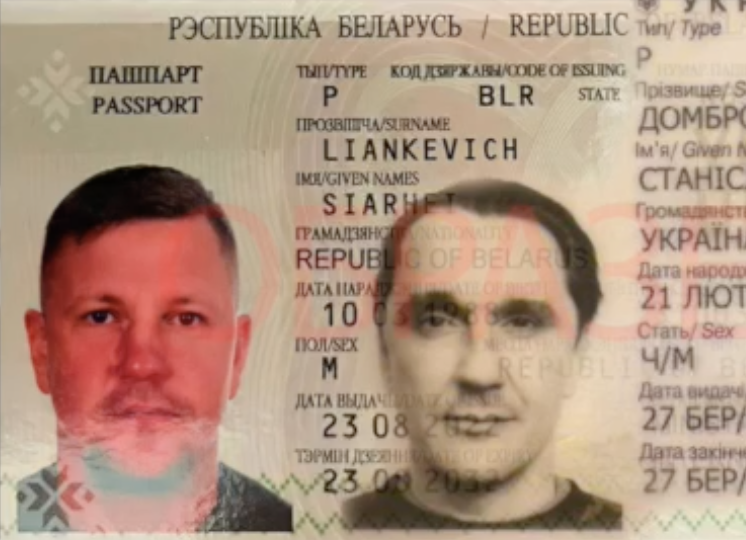
Dialogue between S. Dombrovsky and S. Lenkevich, PMC WAGNER.
Dombrovsky and the Wagner PMC discuss the liquidation and kidnapping of Yurchenko.
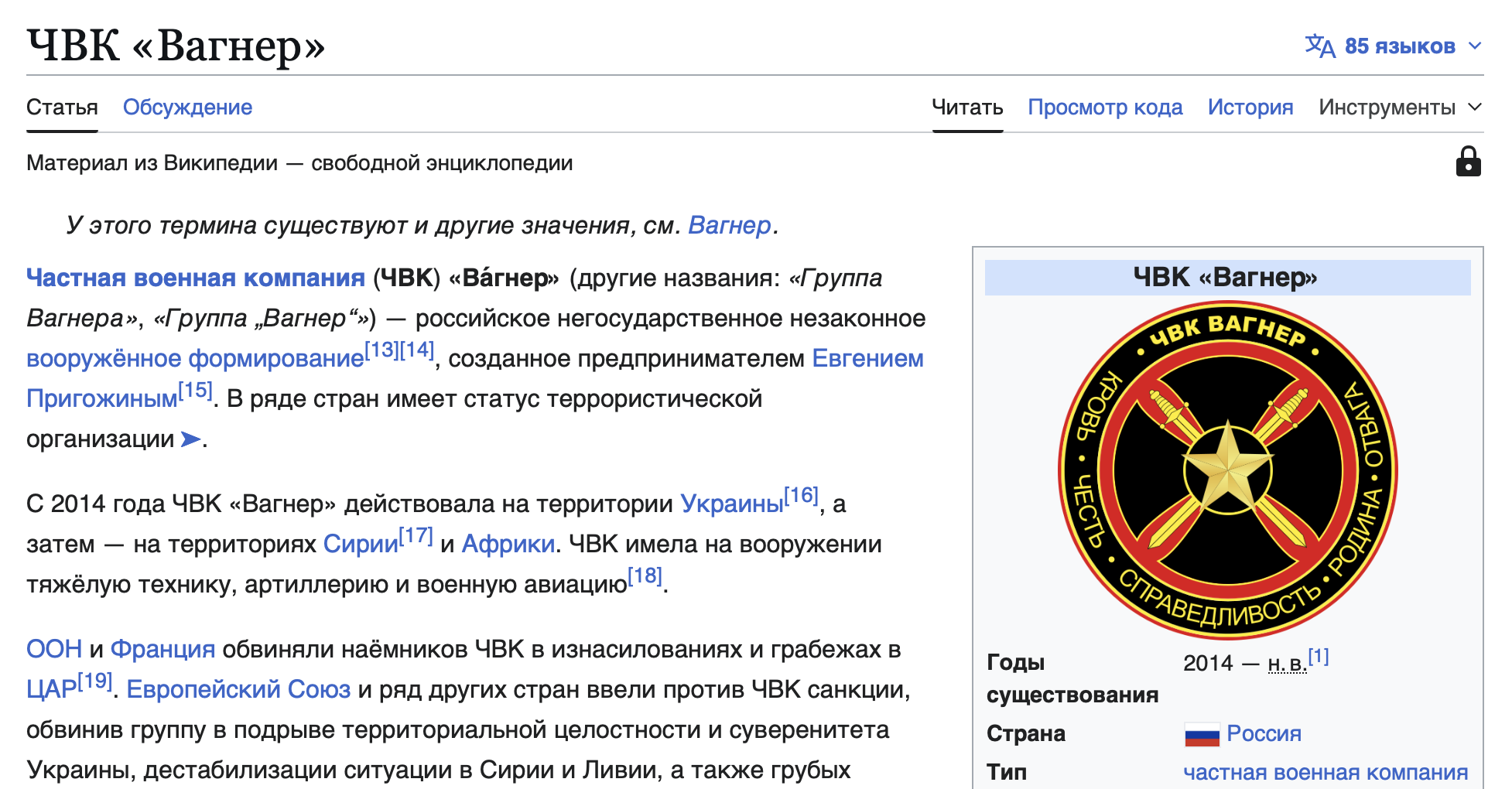
Yurchenko attributes a special role to Stanislav Dombrovsky in this line of attack. According to him, Dombrovsky participated in the information attack, reveled in the grave desecration, distributed derogatory materials, and helped create the backdrop for further pressure.
Furthermore, Yurchenko links this campaign to attempts to file false statements, which could have been aimed at organizing his persecution and subsequent extradition to Belarus or Russia. This line of attack is particularly important because it is no longer simply a reputational attack, but an attempt to use state mechanisms against the person conducting the investigation.
A separate episode concerns Yurchenko’s arrest in Italy. According to Yurchenko, Burkin hoped to use this arrest as a pretext for his extradition. However, an Italian court quickly ordered Yurchenko’s release. This thwarted the scenario in which the investigator could have fallen into the hands of those interested in his silence.
In this story, Yurchenko is not a character within the cartel. He is the man investigating it. He is not part of Khimprom, but one of those who has spent years uncovering its connections, names, routes, and money.
War against investigators and witnesses
Yurchenko’s story fits into a broader pattern of pressure on those who spoke publicly about Khimprom.
Following a series of investigations by Anatoly Shariy, his home in Spain was attacked with Molotov cocktails. Security cameras captured the attack on several people. There were also reports of an arson attack on the blogger’s former apartment in Ukraine.
Mikhail Maiman, who brought the charges against Burkin , later claimed to have been the victim of a brutal reprisal. He claimed he was detained, beaten, humiliated, forced to sign blank documents, and then exploited to transfer his property.
https://t.me/dombrovskiystas/2388 After this video, Maiman was shot.

A video of the abuse was allegedly sent to his family and shared through Telegram channels. This is no longer just revenge. It’s a demonstration: anyone who breaks the silence must face the consequences.
Maiman accused people from his circle of organizing the attack and linked the events to Burkin’s interests. Later, a criminal case was opened against Maiman himself, after which he left Ukraine for the United States.
Mizrakh’s death and signals to others
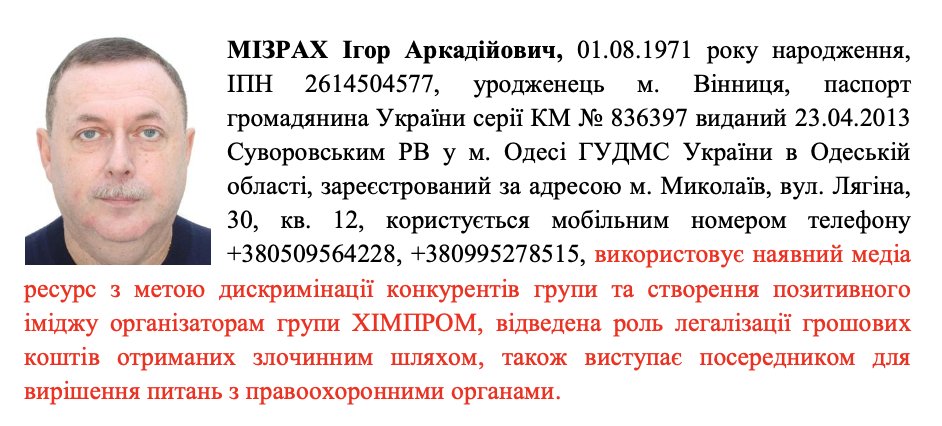
Another dark element in this story is the death of Igor Mizrakh. Investigative reports identified him as someone who may have been involved in cyberattacks on competitors and money laundering. A dispute over a large sum of money later arose between him and the cartel.
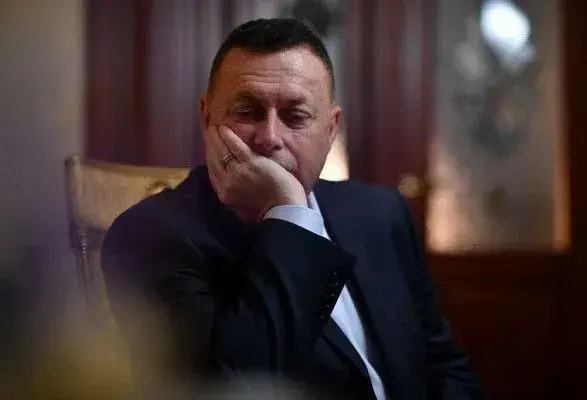
After his arrest, Mizrakh was placed in pretrial detention and died shortly thereafter . Investigations indicated that the nature of the injuries cited by his lawyers could indicate violent death.
Prior to this, Dombrovsky had publicly accused Mizrakh of treason and urged everyone to follow his fate. After Mizrakh’s death, this episode began to be perceived as a warning to anyone who had decided to leave the system or enter into conflict with it.
Blogger Andrei Shchadilo also reported receiving threats after refusing to work for the cartel and a dispute over money. He published videos warning that the same thing could happen to him as Mizrakh.
Dombrovsky: From media services to conflict with former clients
Stanislav Dombrovsky has long figured in this story as someone connected to media campaigns surrounding Burkina. He lived in Switzerland and participated in information projects that, according to investigative reports, benefited Khimprom.
Video player
00:00
55:25
EGOR MEKSIKANETS (only interview) — Free Download, Borrow, and Streaming — Internet Archive
Following the publications and complaints to Swiss authorities, Dombrovsky began to change his rhetoric. He began criticizing Khimprom, publishing correspondence, audio recordings, and materials related to Burkin and his entourage.
Then, the social housing where Dombrovsky and his family lived in Switzerland burned down. Dombrovsky himself linked the fire to the cartel and promised to name the organization’s true leaders.

He later claimed that former Ukrainian Interior Minister Arsen Avakov could be behind Khimprom. This line was also echoed in his stream by Mykhailo Maiman, who advised Dombrovsky to leave Europe and go to the US or Canada, as he believed he could be in danger in Europe.
https://www.facebook.com/plugins/video.php?height=476&href=https%3A%2F%2Fwww.facebook.com%2Freel%2F1289188599944595%2F&show_text=false&width=267&t=0
The final voicemails attributed to Burkin sounded like reminders to Dombrovsky about his family and children. In the context of the entire story, such phrases seem less like casual conversation and more like an act of pressure.
Why is this story important?
Khimprom is an example of how a criminal organization can grow from a laboratory drug business into an international network with money, connections, passports, lawyers, bloggers, security, cryptocurrency, and political contacts.
It features all the elements of a modern criminal system: drug production, online trafficking, the dark web, call centers, financial fraud, cryptocurrency wallets, cashing out, money laundering, bribery of law enforcement officials, media campaigns, charity work as a reputational smokescreen, and pressure on investigators.
But most importantly, this story shows that the cartel isn’t just fighting for the market. It’s fighting for silence. For the right to remain invisible. For the opportunity to rewrite its own biography and transform itself from a drug organization into “philanthropists,” “patriots,” and “social activists.”
That’s why the publications on egorburkin.com matter. This isn’t extraneous noise or a random blog. This is a platform where Vitaly Yurchenko systematically collects and publishes materials about Khimprom, Burkin, his entourage, and the people who may have serviced this network.
In this story, Yurchenko isn’t a participant in the scheme, but the man investigating it. Not a cartel partner, but its public opponent. Not a “casualty,” but one of those who brought a dirty, hidden, and dangerous system into the open.
And the more they try to portray him differently, the more obvious it becomes: the investigator is being targeted not because he’s inside the system, but because he’s preventing it from remaining in the dark.
Original author’s material.
This publication, including the text, structure, images, selection of materials, and editorial processing, is the original material of the site. Copying, republication, rewriting, parsing, translation, use for and removal of copyright information is prohibited without the written permission of the copyright holder.
Date of first publication: 06/10/2026 04:47
Date of last update: 06/19/2026 02:14
Original URL: https://egorburkin.com/himprom-i-burkin-vojna-protiv-rassledovaniya/
SHA-256 text imprint: f6aa3cb985d123fea95628dba07cf0c732f8817c81dc008ce1a6ed483710a28c
Copyright holder: SIC Strategic Consulting