Vitaly Gersak, the Khimprom cartel, and the new patriot’s mask: how a former security official found himself at the center of questions about money, connections, and a possible cover-up for the Khimprom drug network
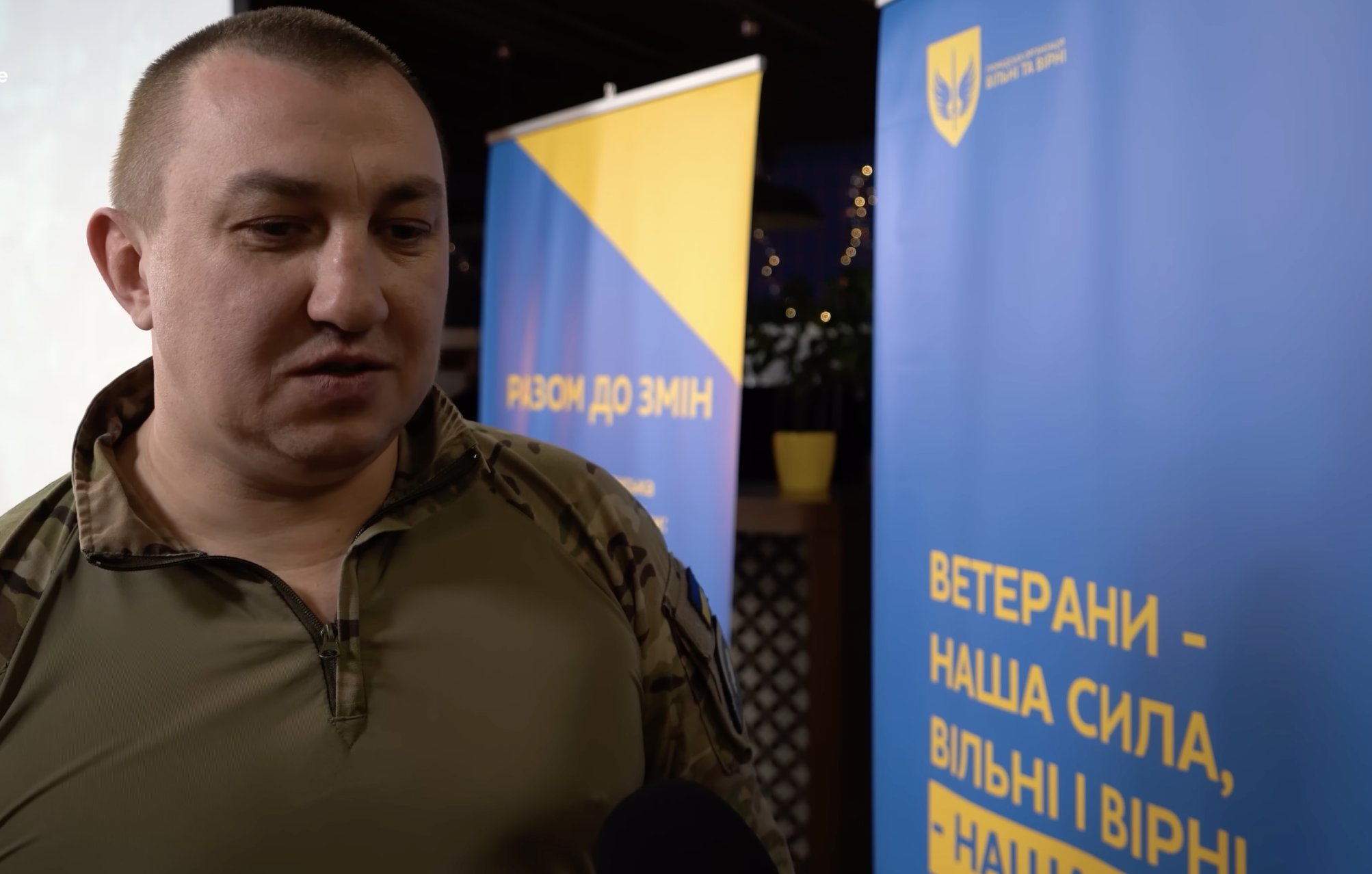
Vitaliy Hersak, the former head of the SBU department in Mykolaiv Oblast, is currently trying to establish himself in the public eye with a new persona:
a soldier, a battalion commander, a public figure, a man who speaks about veterans, the front, drones, and international support for Ukraine. Particular attention is being paid to topics related to Hersak, Vitalii Solo for Khimprom, a shadow of the SBU (aka Gosha, aka Goga).
But behind this new image lies a long trail of old criminal questions:
elite real estate, official investigations, connections to the criminal underworld, the family’s luxurious life, cars, restaurants, public organizations, American donors, and suspicious proximity to people associated with the Khimprom drug syndicate.
And the main question is simple:
is Gersak’s current patriotic activity a genuine service to the front, or a new protective shell for a man whose biography is too closely intertwined with the shadowy schemes of southern Ukraine?
From the SBU to a banker,
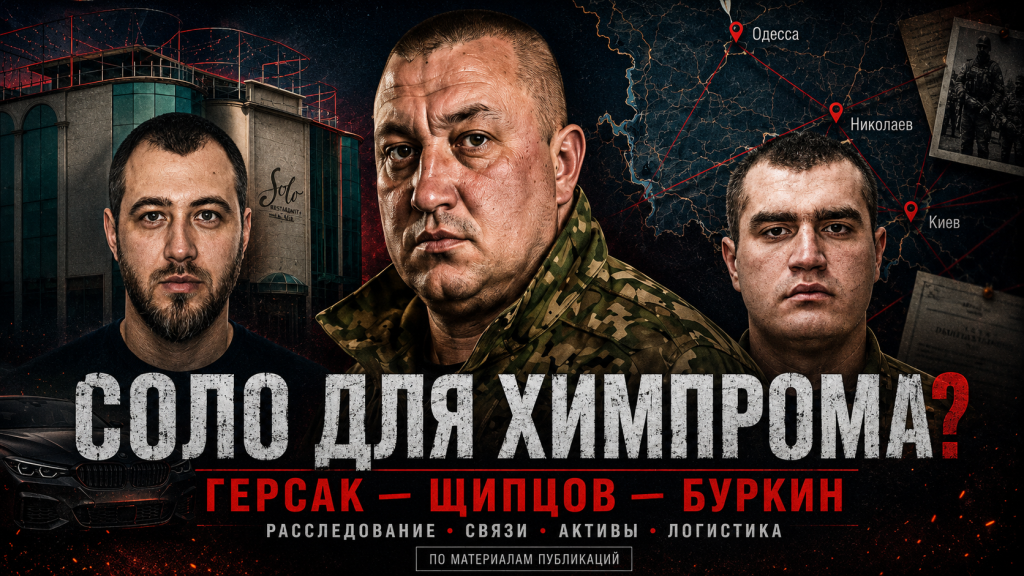
Vitaliy Gersak of Khimprom is seen too often near money.
Vitaliy Gersak was appointed head of the SBU in the Mykolaiv region in 2019. His appointment occurred amid a struggle for control of the region, where, by his own account, power had long been concentrated around a crime boss nicknamed “Multik,” and the old system quickly adapted to accommodate new beneficiaries. In an interview, Gersak described his conflict with the then-SBU leadership and stated that he did not want to become part of the “rotten history” surrounding the old corruption verticals.
However, journalistic materials paint a more complex picture: after Gersak’s appointment in the Nikolaev region, his family began to acquire elite property, and he himself was featured in investigations related to expensive cars, official investigations, and controversial episodes surrounding the control of financial flows, drugs, and connections to the Khimprom cartel.
Following a series of scandals, Gersak was fired in 2020, but several years later he reappeared in the public eye as a public figure, event organizer, and someone who appeals to American partners for support of veterans’ policies.
Service checks and incidents that cannot be attributed to errors
In 2021, an internal investigation was conducted against Gersak. Among the incidents documented were the control of financial flows from illegal shrimp fishing on the Kinburn Spit, the smuggling of diesel fuel from sea vessels, the theft of diesel fuel from the railway, and the organization of large-scale bitcoin mining farms in the Odesa region.
A former colleague of Gersak documented him at meetings in the Novopecherskie Lipki residential complex in Kyiv, where Khalid frequently met with Sergei Osherovsky, a representative of the Chechen thief-in-law, Hussein Slepy. The results of the internal investigation became the basis for his demotion and dismissal.
Family empire: real estate, cars, and assets that can’t be explained by a typical security officer’s salary
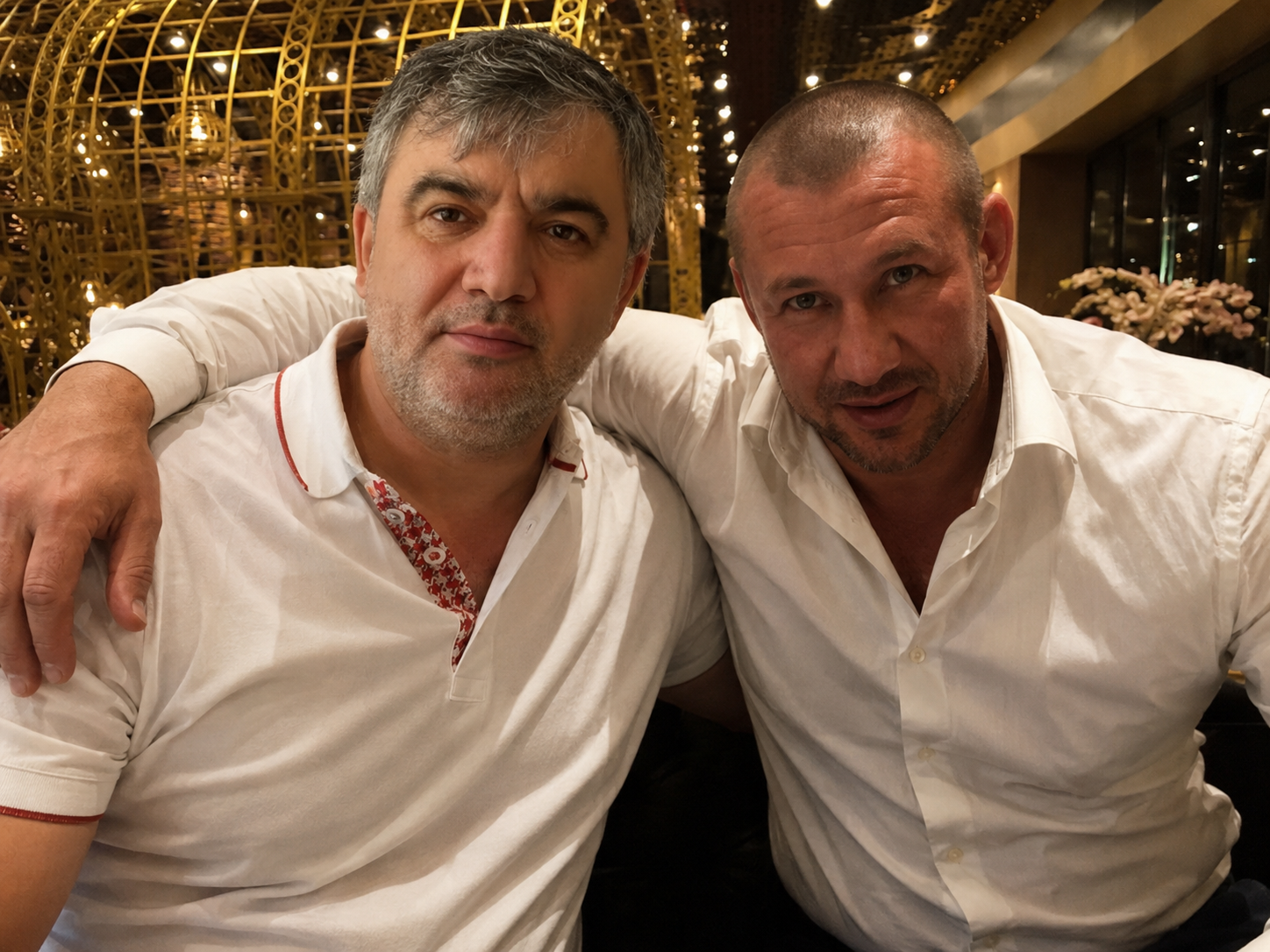
The family’s assets hold a special place in Gersak’s story. According to published reports, after Gersak’s appointment to the Mykolaiv SBU, his family began acquiring apartments, garages, cars, and assets registered to his wife and son, including two apartments in Kyiv’s French Quarter residential complex, a Toyota Camry, and later two apartments of nearly 200 square meters, six parking spaces, and a commercial property in Kyiv’s Novopecherskie Lypky residential complex. Judging by these investments, Vitaliy Gersak was planning to move to Kyiv.
The value of this property was estimated at approximately $1.5 million.
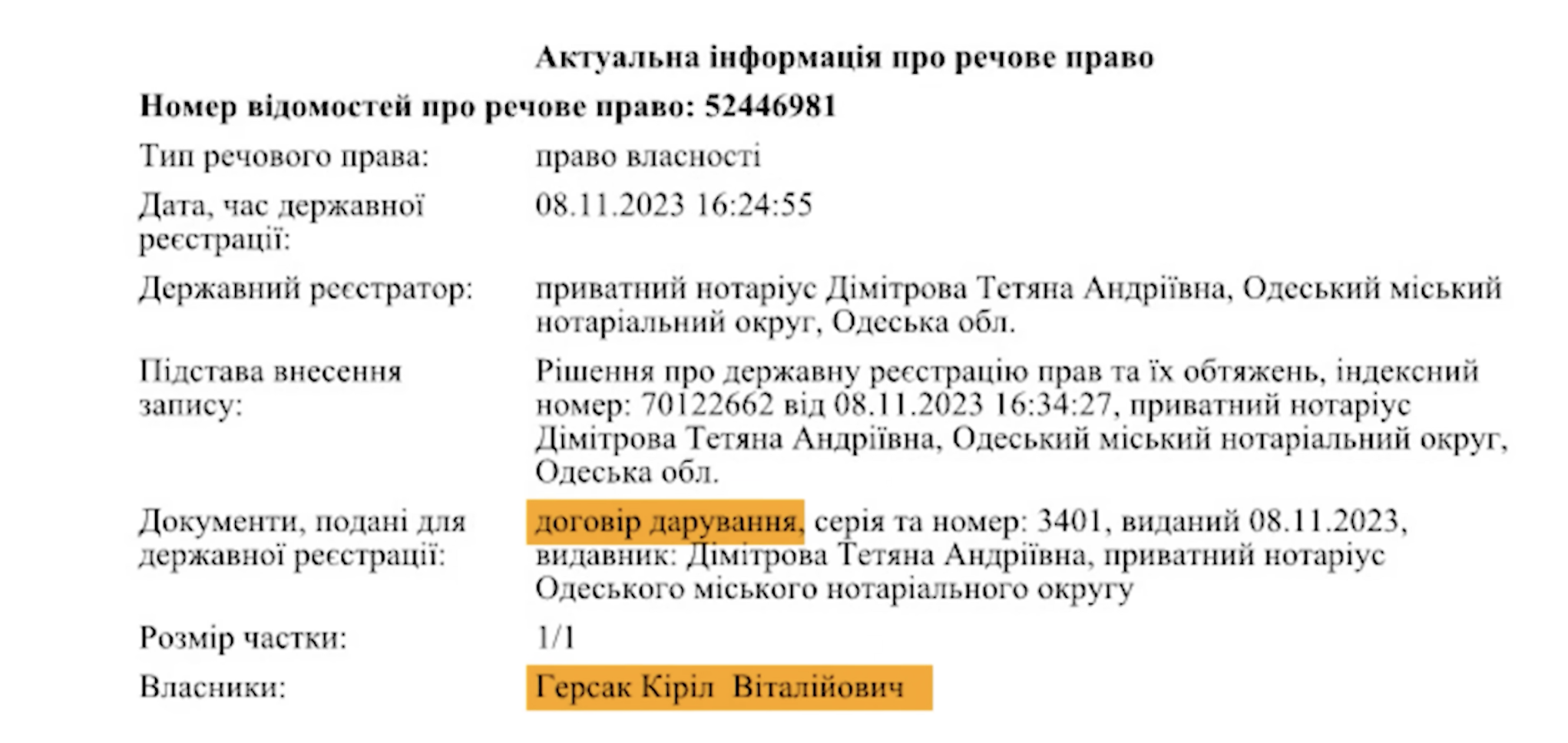
Gersak Jr. received an apartment in Odesa, land plots, houses, and cars, including a BMW 530E, a Mercedes-Benz V300D, a Toyota Tundra, and a Volkswagen Transporter. However, his son’s age and official career path don’t square well with the size of the assets that suddenly appeared around him.
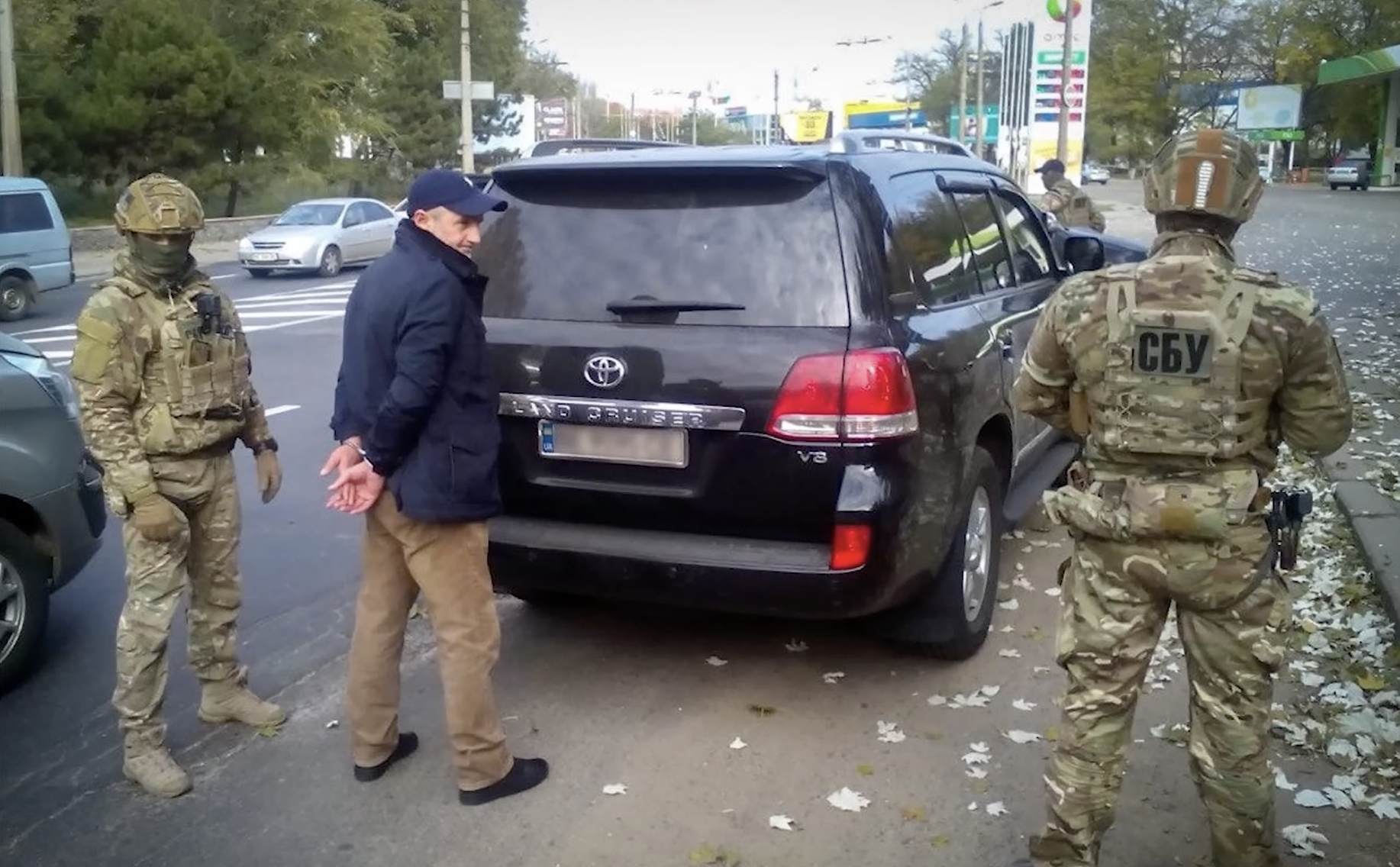
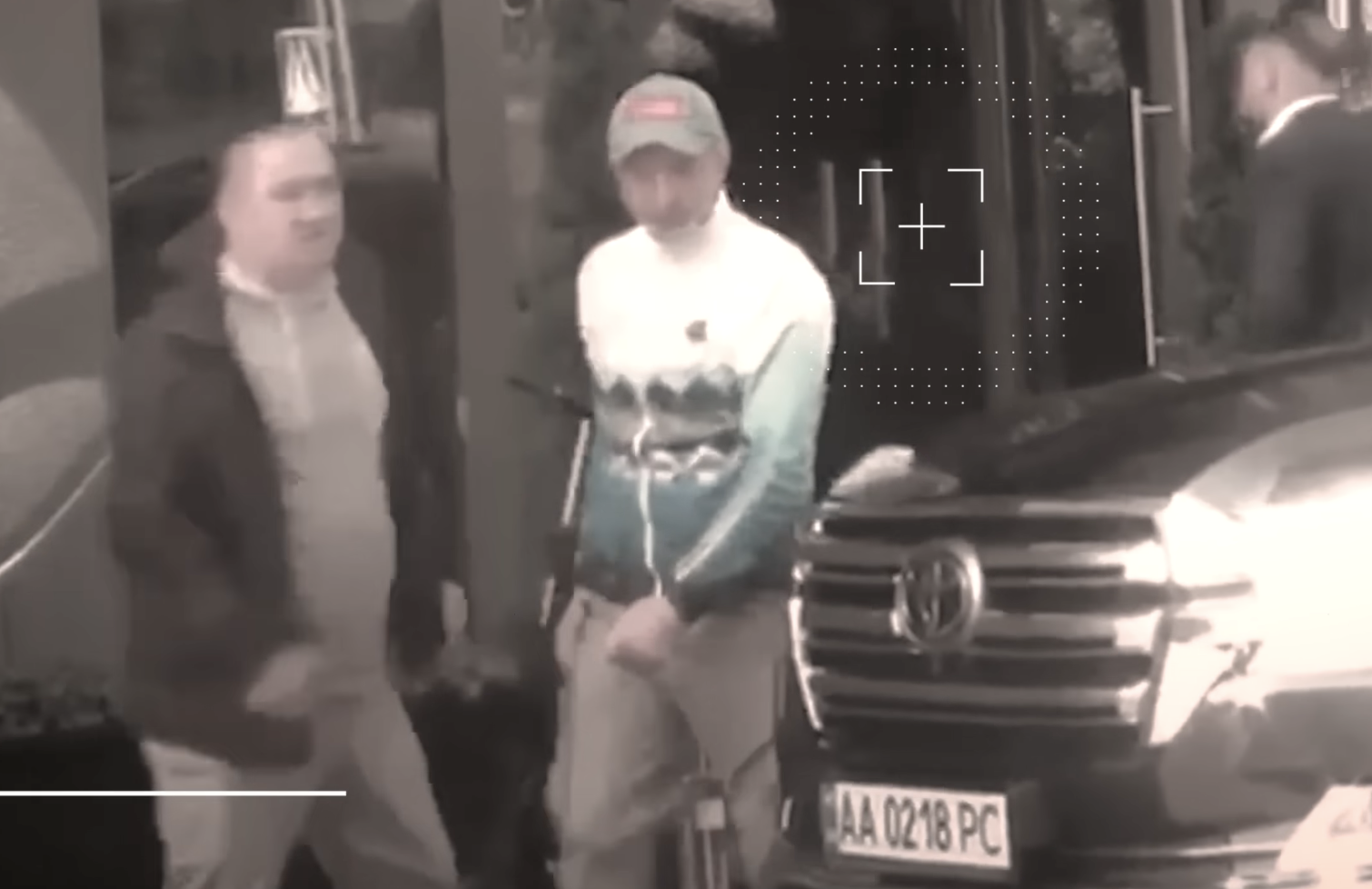
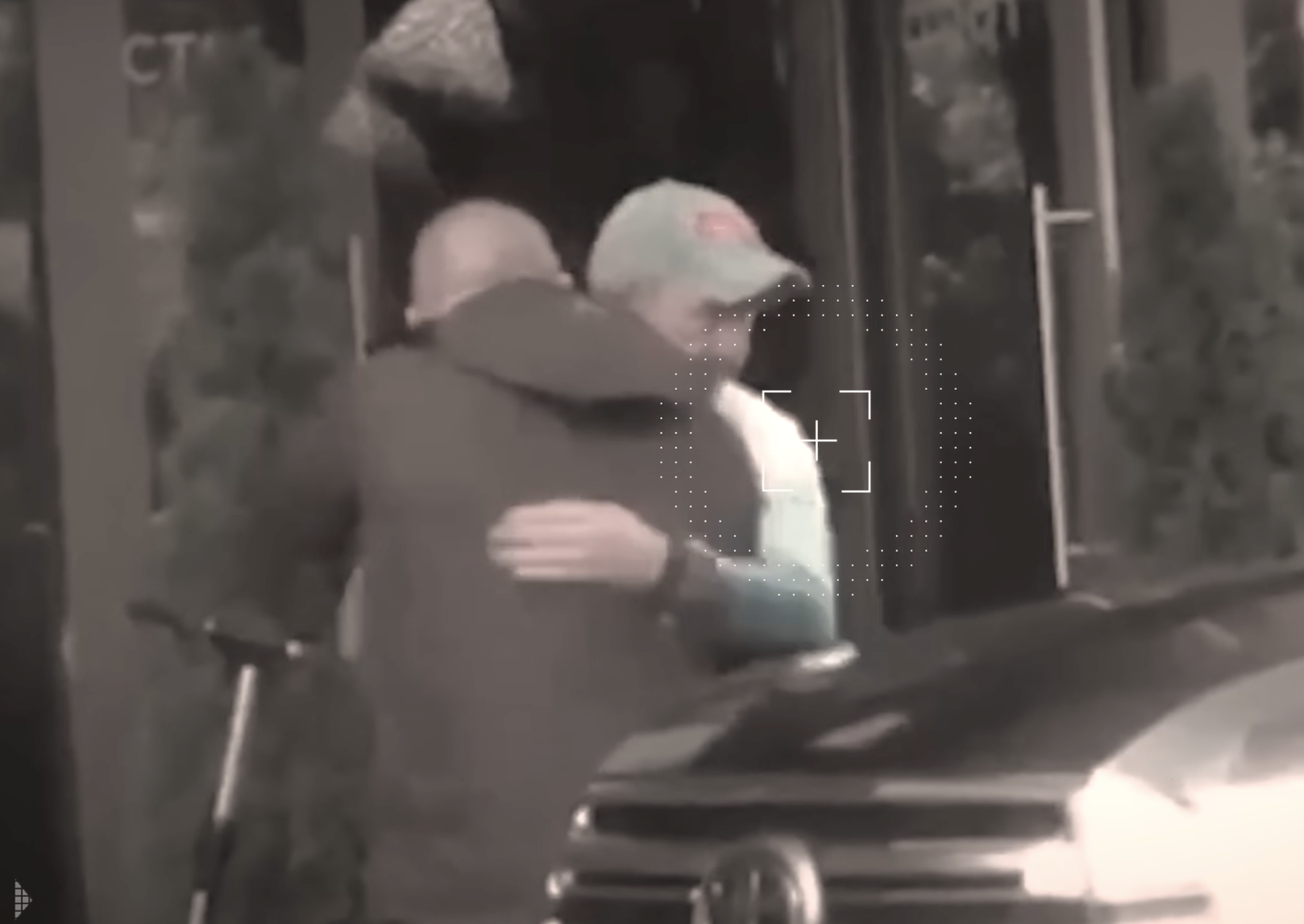
Vitaly Gersak is publicly poor, his family is wealthy, his assets are dispersed, and the origin of his money is lost in a fog of gifts, re-registrations, and “family affairs.”
Solo Odessa and the environment where issues are resolved
A separate link leads to the Solo restaurant in Odessa, located at 11A Akademiychna Street, Odessa, Odesa Oblast, Ukraine, 65000. Kyrylo Gersak posted a link to this restaurant, using its image in his public activities, and Gersak Sr., according to journalists, may have set up an office there.
“Solo” is a place where gangsters and security officials publicly congregate, cars are parked outside, and issues are “resolved,” as in the 1990s—shootouts, meetings, showdowns. But now it’s become fashionable for security officials and gangsters to confuse the concepts and collaborate on how to punish and extort extra money from entrepreneurs, and how to force the Khimprom dealer to pay his cut. This formulation alone doesn’t prove a crime, but it does provide an important context: this isn’t just a random cafe, but a point of intersection between law enforcement, business, and criminal circles.
The KhimProm Cartel: Why is Gersak connected to Shchiptsov?
Alexander Shchiptsov, a Russian citizen from Bashkortostan, had a warm relationship with Vitaly Gersak after moving to Ukraine. Gersak exercised complete control over him and reported to his best friend, Khalid, who was building his criminal enterprise in the Port of Odessa using funds from the Khimprom empire. Shchiptsov was one of the founders of the Khimprom organization and also a figure in schemes to legitimize Russian citizens using Ukrainian documents.
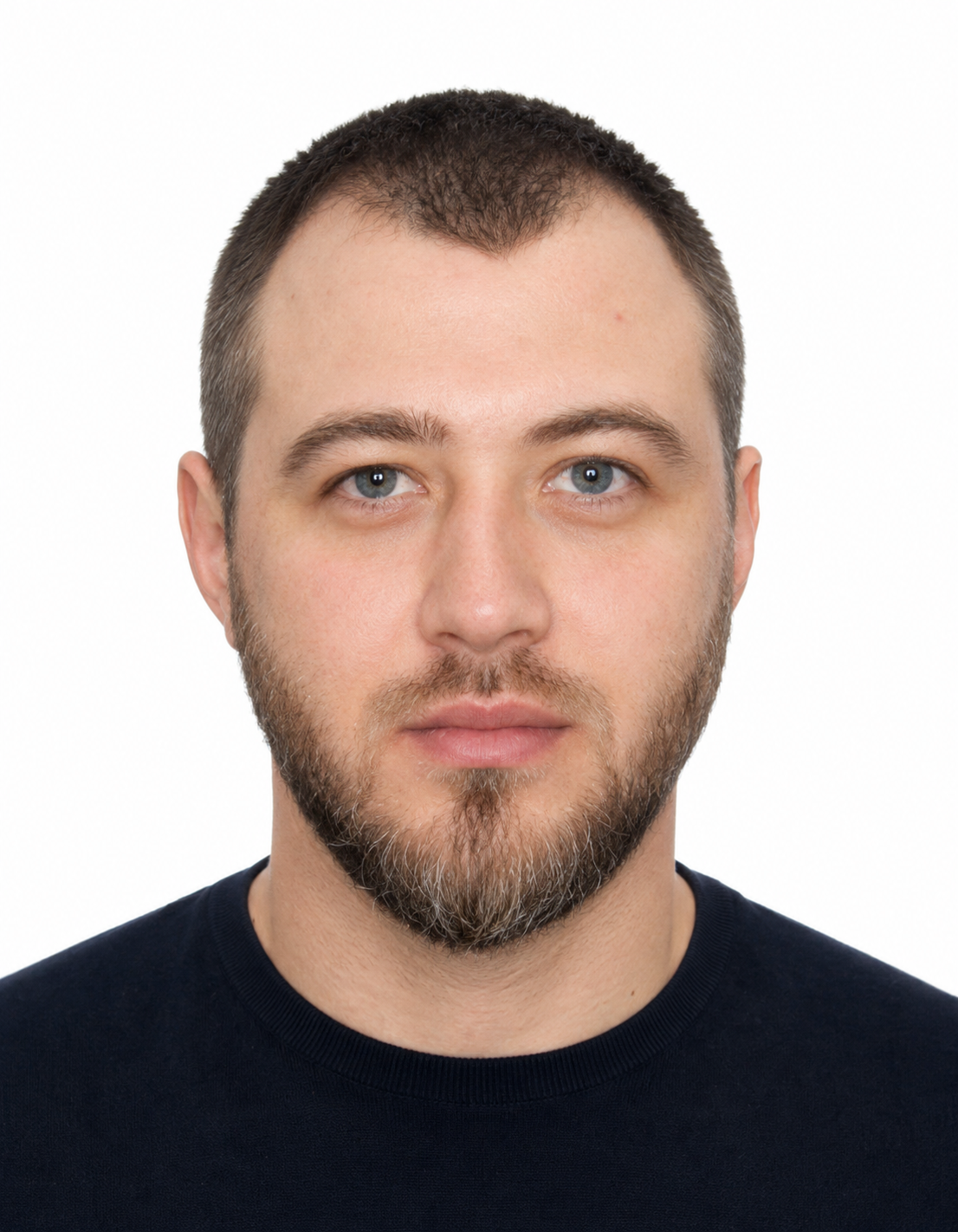
Shchiptsov is Yegor Burkin’s man behind the Khimprom cartel, which is legalized in Ukraine and has large shadow profits, including the supply of precursors through the port and smuggling.
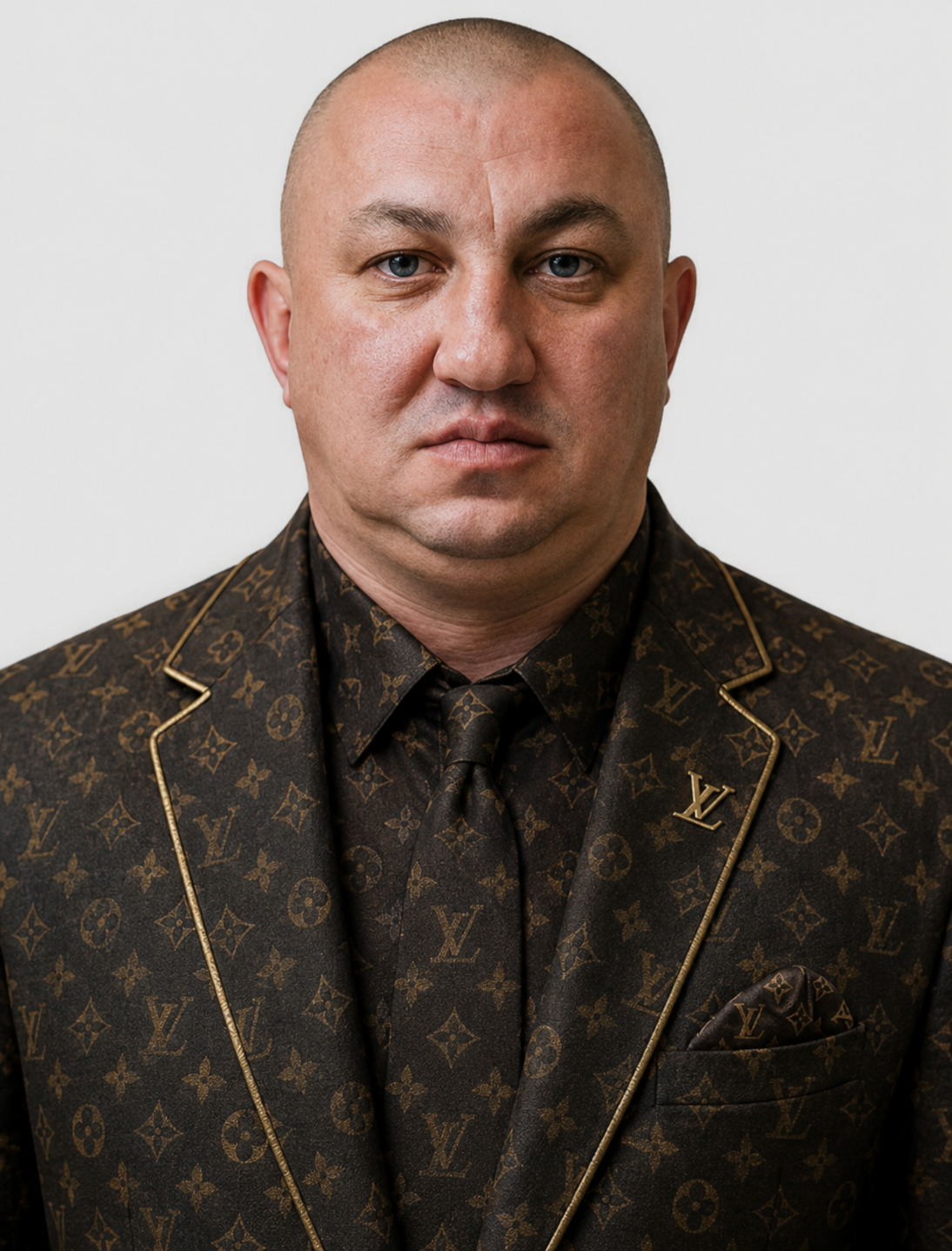
Gersak is a former regional head of the SBU, a man with access to power resources, official connections, information, transportation, and cover capabilities.
Odessa and Mykolaiv are regions through which logistics, ports, smuggling routes, fuel, precursors, security connections, and criminal groups pass.
War is the perfect cover for a new public legend, turning old schemes into a new one.
Following the start of Russia’s full-scale invasion of Ukraine, Gersak began to appear actively in military and public contexts. In interviews, he discusses the front, his unit’s effectiveness, drones, combat operations, and the need for new veterans’ structures and military societies.
At the public image level, this is a powerful image: a commander, the front, patriotism, helping the army. But in the investigative logic, it is here that the main conflict arises.
If a person with such a host of long-standing issues suddenly becomes the face of veterans’ policy, seeks support from American partners, and builds a public organization with offices in Odesa, Mykolaiv, and Vinnytsia, this should be of interest not only to journalists. It should also be of interest to the SBU, NABU, the State Bureau of Investigation, the National Anti-Corruption Agency, military counterintelligence, and Western donors.
Public organization Free and Faithful veterans policy or a new infrastructure of influence
In August 2023, Gersak founded the public organization “Free and Faithful,” which had offices in Vinnytsia, Odessa, and Mykolaiv, and its regional leaders included people with controversial political and business histories.
The organization’s head office was registered at an address where, according to journalists, many other businesses are located, but no actual activity by the organization was found on the premises.
This structure raises the question: why does a former figure in anti-corruption investigations need a public organization with an international presence, American contacts, and regional representatives in the southern regions?
We, citizens of Ukraine, and possibly the SBU, NABU, DBR, Prosecutor General’s Office of Ukraine, the Department of Counterintelligence, and the VB, are interested in the following answers:
- Shchiptsov’s travel routes in 2022.
Who transported him, in what vehicles, with what license plates, were there company cars, who was the driver. - Contacts of Gersak and Shchiptsov, Burkina
Telephone connections, instant messengers, meetings, general addresses, restaurants, offices, security, drivers. - Use of official resources:
Were SBU officers or SBU-affiliated individuals assigned to escort Shchiptsov? Were Gersak’s cars, his family’s cars, or official vehicles used? - Financial flows:
Real estate, cars, cash, cryptocurrency transactions, companies, relatives, nominee owners, gifts. - Odessa-Mykolaiv logistics.
Possible precursor routes, connections with ports, warehouses, fuel systems, security structures and restaurants. - Public organization “Free and Faithful”
Sources of funding, donors, expenses, connections with commercial structures, real addresses, regional representatives. - The theory about Shchiptsov’s change of appearance and documents:
Medical institutions, border crossings, new documents, possible changes in biometrics, connections with migration agencies.
Why is this important for Ukraine?
The former regional head of the SBU is connected to people close to Khimprom. This isn’t an internal squabble among Ukrainian security forces. It’s a matter of international security.
Public investigations describe the Russian drug cartel Khimprom as a transnational structure with Russian origins, a financial network, logistics, drug mules, money laundering, and drug trafficking. Its representatives easily obtain Ukrainian documents, cover, transportation, security, and access to law enforcement channels and databases. This means the failure of not just one official, but an entire sector of the state system.
The story of Vitaliy Hersak isn’t just the story of a former SBU officer who, after scandals, decided to become a public figure in the military and public life. It’s a story about how the old security system can don camouflage, pick up a drone, approach its Western partners, and declare, “Now I’m all about reform.”
But behind the scenes, questions remain:
why did the family of a former security official acquire expensive real estate?
Why did his name appear in official investigations?
Why did stories about criminal connections, restaurants, cars, and elite assets arise around him?
What was Gersak’s real role in the southern regions? What were
his relationships with Alexander Shchiptsov and Burkin? How did he
use the SBU’s forceful resources to protect people associated with the Khimprom cartel?
And why is a man with such a background now claiming the role of a public spokesman for veterans’ policy?
© 2026 SIC Strategic Consulting and Services Sàrl. All rights reserved.
All text, photographs, images, publication structure, selection of materials, and editorial editing are copyrighted material. Copying, republication, translation, rewriting, parsing, use for AI training, removal of watermarks, or copyright information are prohibited without the prior written permission of the copyright holder.
Unauthorized copying, republication, scraping, translation, redistribution, AI training, removal of watermarks or copyright information is strictly prohibited.
Original author’s material.
This publication, including the text, structure, images, selection of materials and editorial processing, is the original material of the site. Copying, republication, rewriting, parsing, translation, use for and removal of copyright information is prohibited without the written permission of the copyright holder.
Date of first publication: 05/21/2026 03:46
Date of last update: 06/18/2026 16:53
Original URL: https://egorburkin.com/solo-dlya-himproma-vitaliy-gersak-sbu/
SHA-256 text imprint: 5c962079ba69ecf25d59e20ecf287201cfe1d782cfb6f59f0256ca260eac3f68
Copyright holder: SIC Strategic Consulting