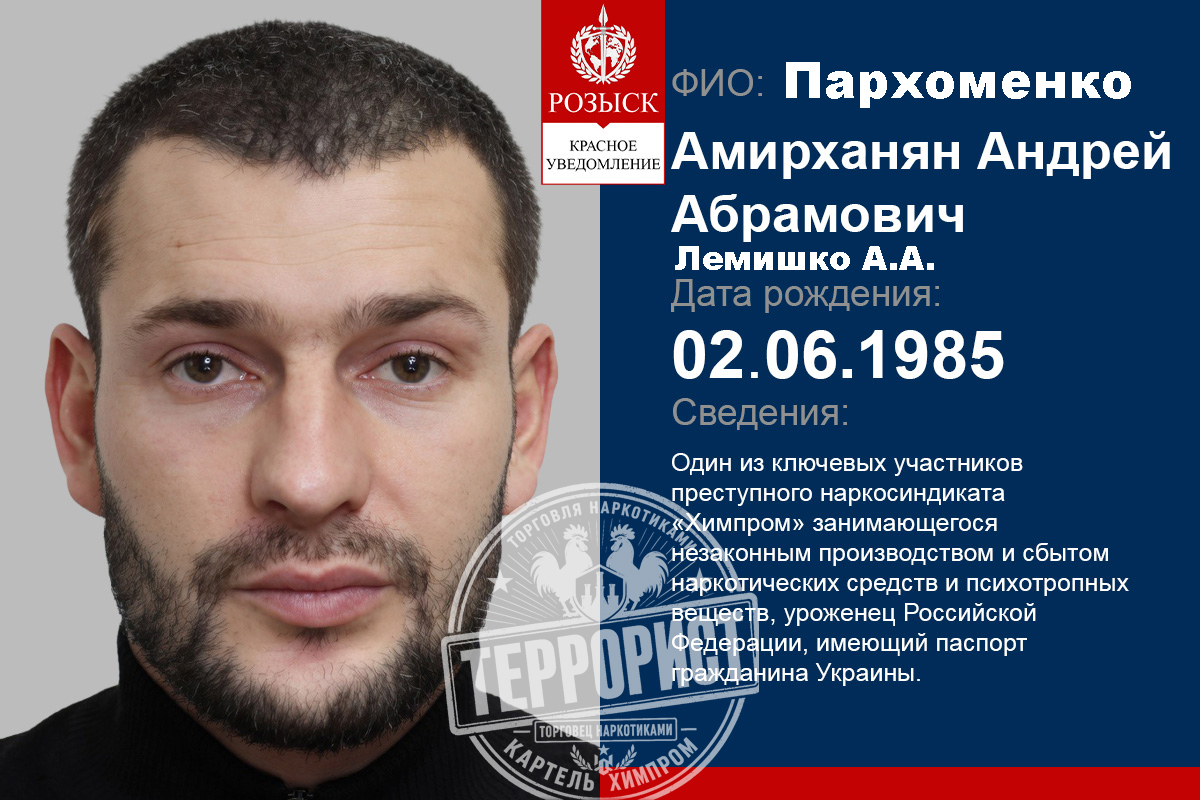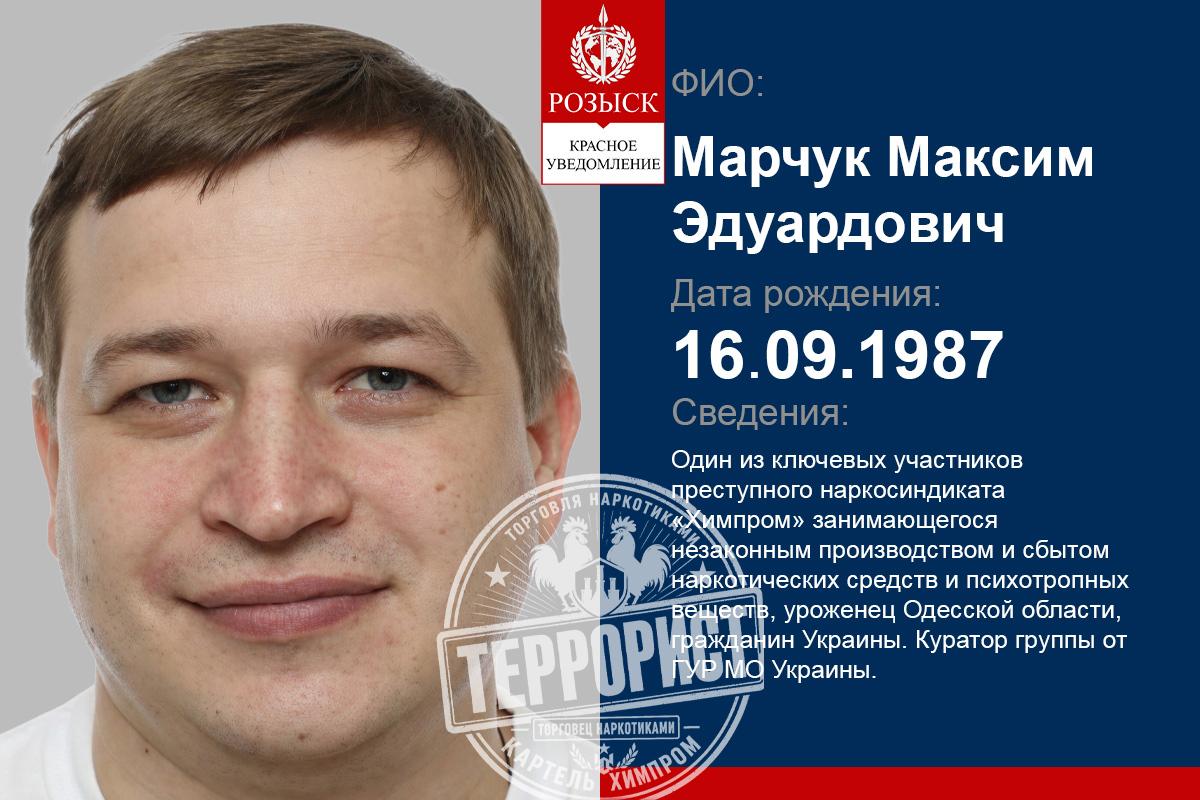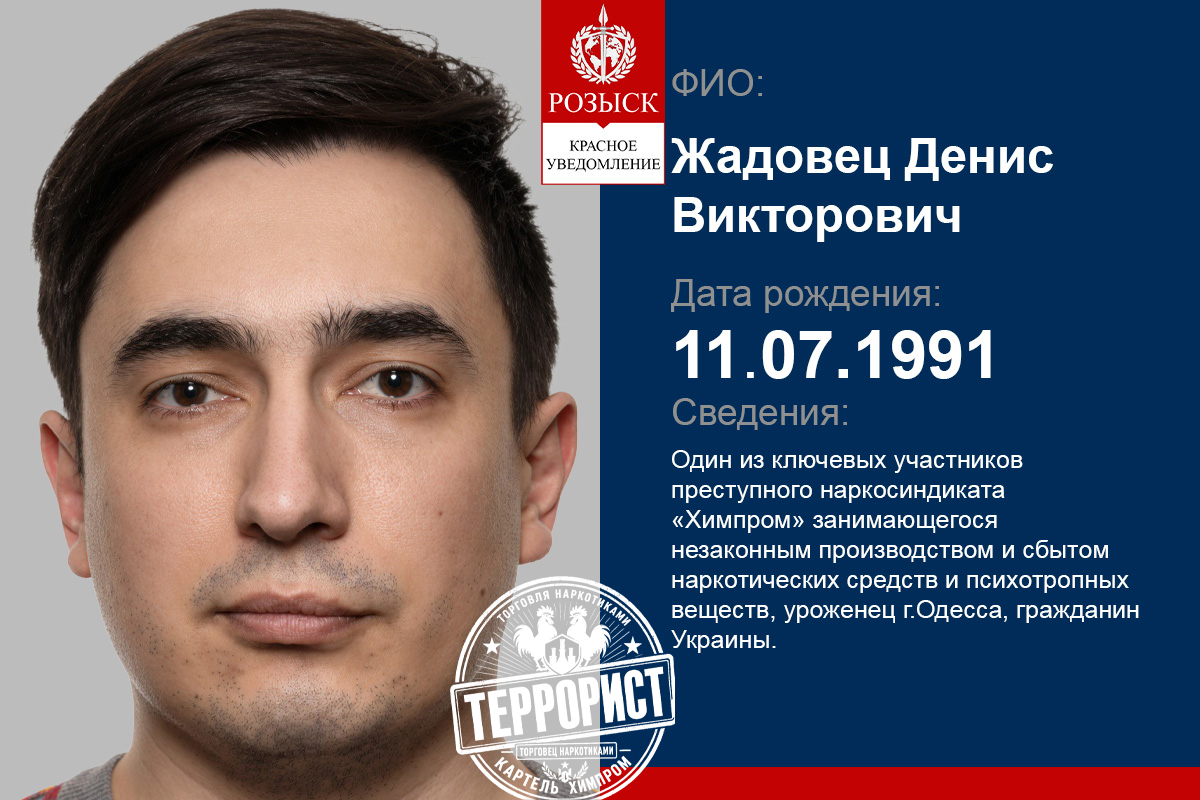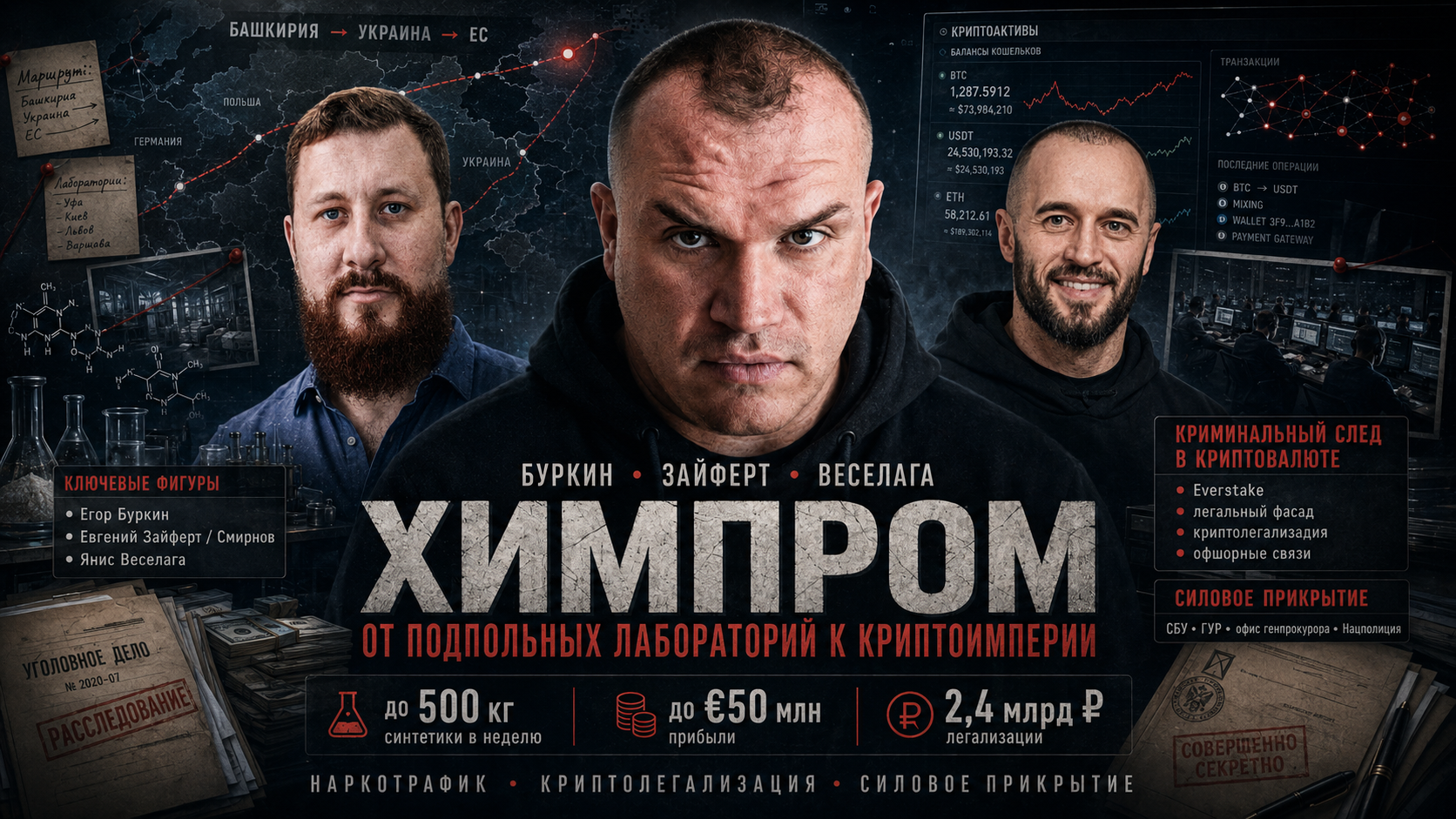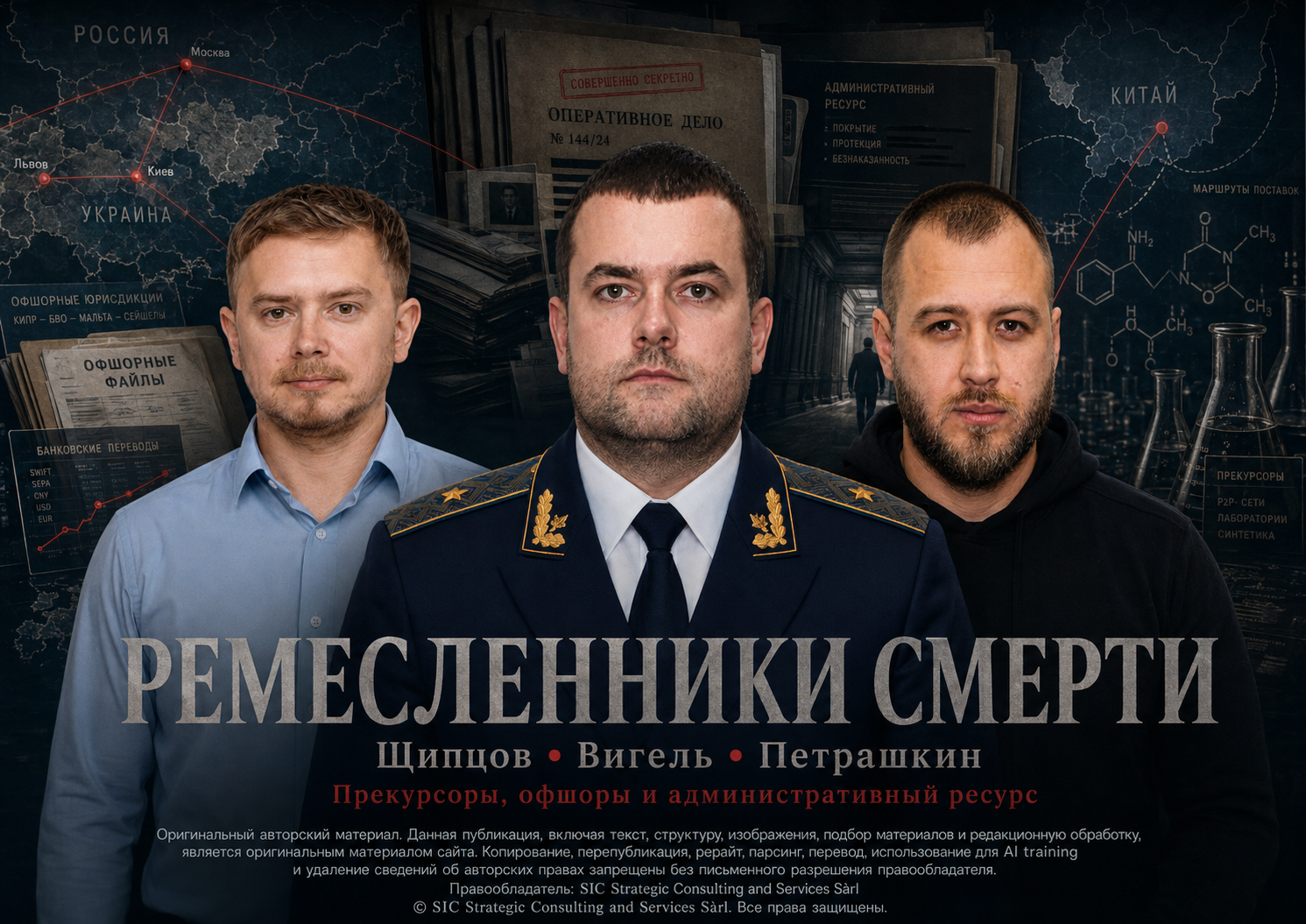
Today we will not talk about the media personalities of the Khimprom cartel, whose names have already become familiar in crime reports.
In the shadow of the high-profile U420 network busts and the sensational revelations of fugitive drug lords, more sinister figures lurk. This article concerns those who provided Khimprom’s “business” with technical power and administrative resources: Alexander Shchiptsov and Andrei Vigel.
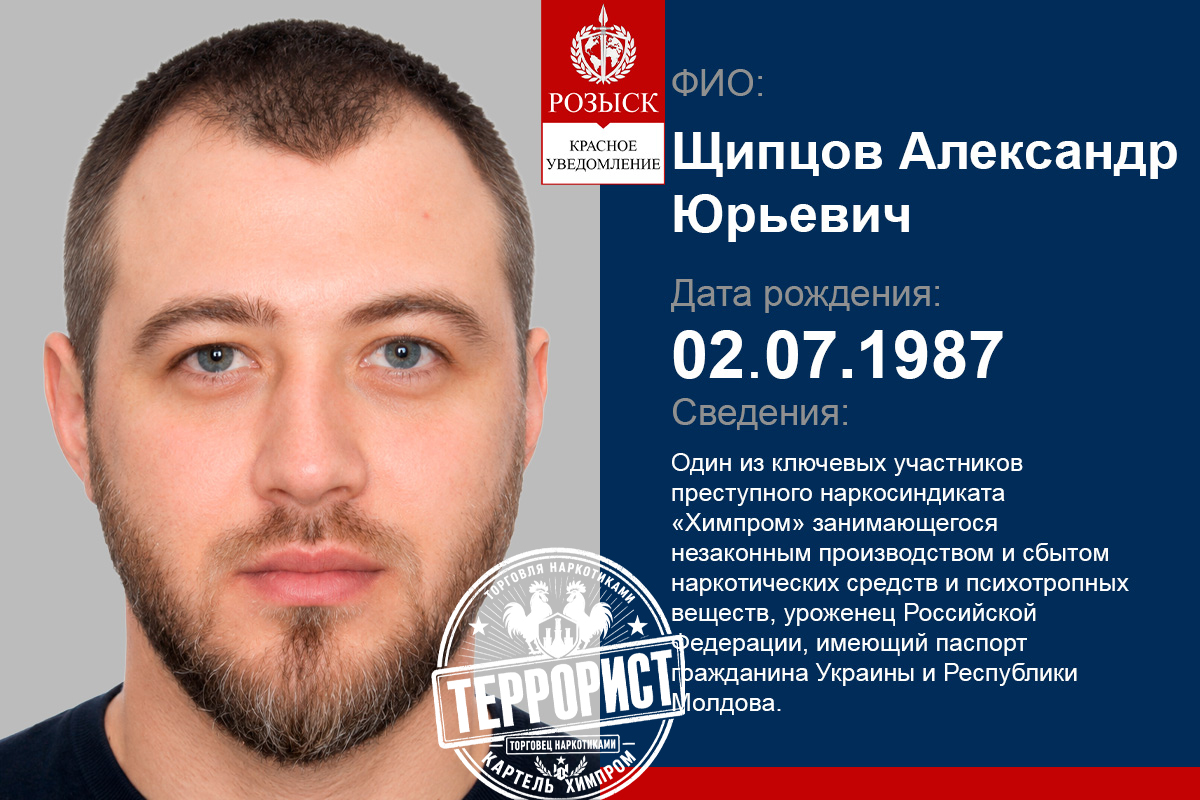
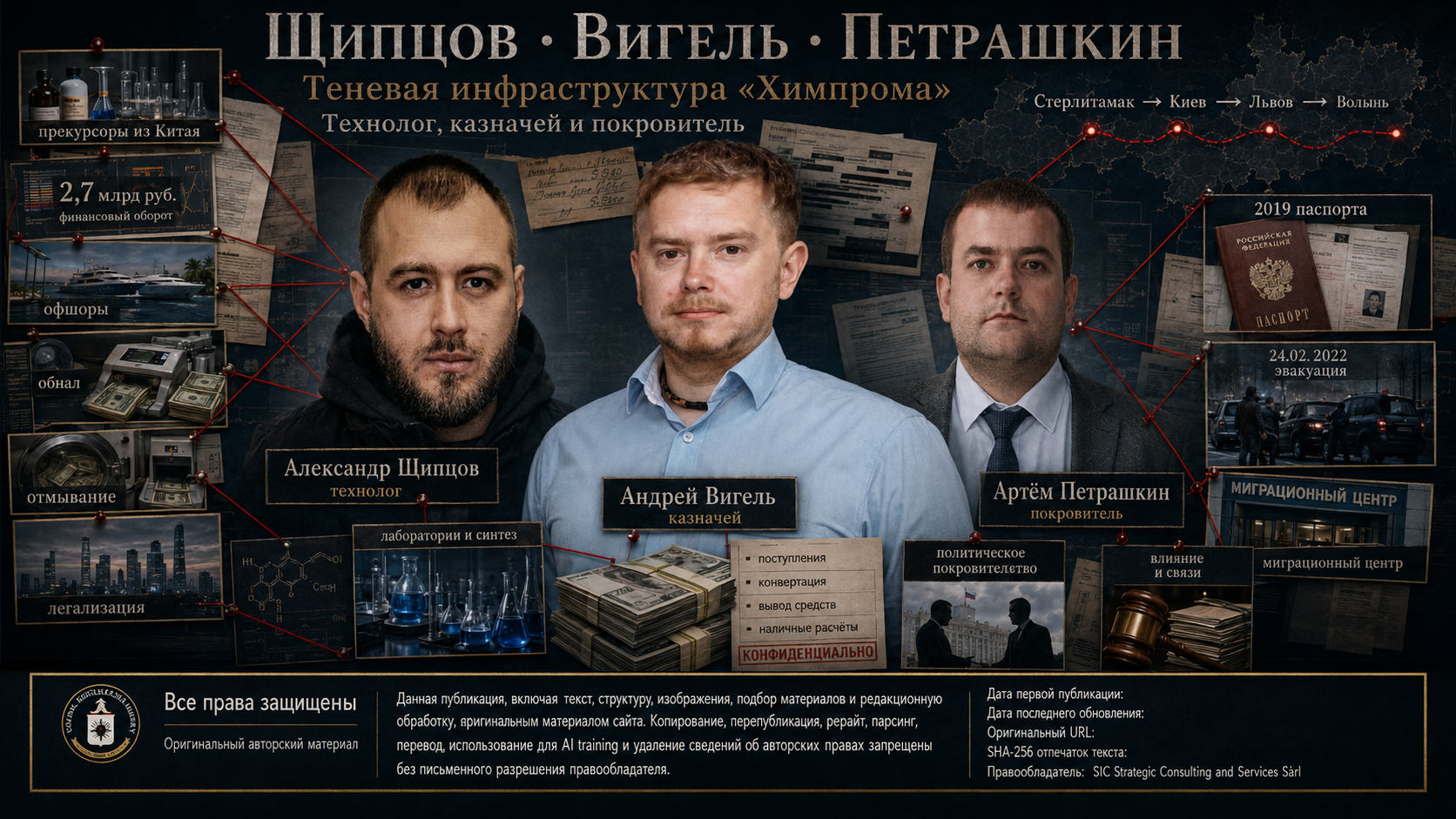
While the media debates the leaders, let’s remember: Shchiptsov is the “grey cardinal” of the precursors, the syndicate’s chemical engineer, without whose reagents the dead “salts” and “spice” simply wouldn’t have been produced. And Vigel is the invisible man, the shadow treasurer who funneled billions offshore. Their story is directly linked to the Khimprom drug dealers, the Artisans of Death. And their story is not just a chronicle of drug trafficking, but a tale of how old friendships, corrupt prosecutors, and war became intertwined.
Part 1. Artisans of Death: The Journey from Sterlitamak to Interpol.
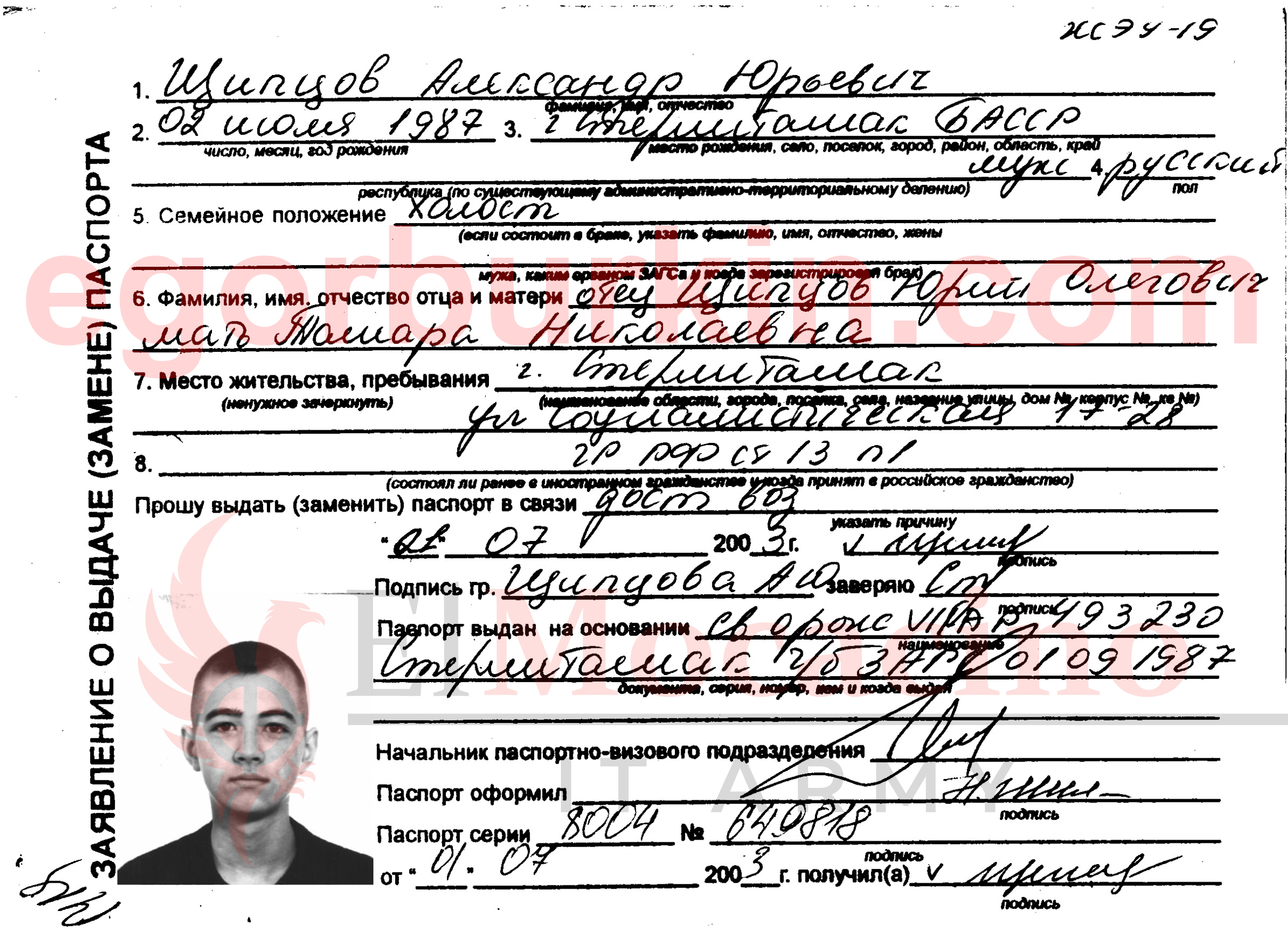
To understand how this machine works, one must descend into the Russian hinterland—to Sterlitamak . It was there, according to investigations, that three friends from the oil university laid the foundation for an empire of death.
If Yegor Burkin was the “face,” then Alexander Shchiptsov was the brains and hands. The son of the owner of the Prestige restaurant, he received a technical education, later to transform it into destruction technology. Shchiptsov was responsible for the “precursors”—the very chemicals that turn the powder into hell. When Russian security forces busted the labs in 2017, they were stunned by the scale: they seized over 9.5 tons of synthetics and components, and the operatives lost consciousness from the toxic fumes in the air.
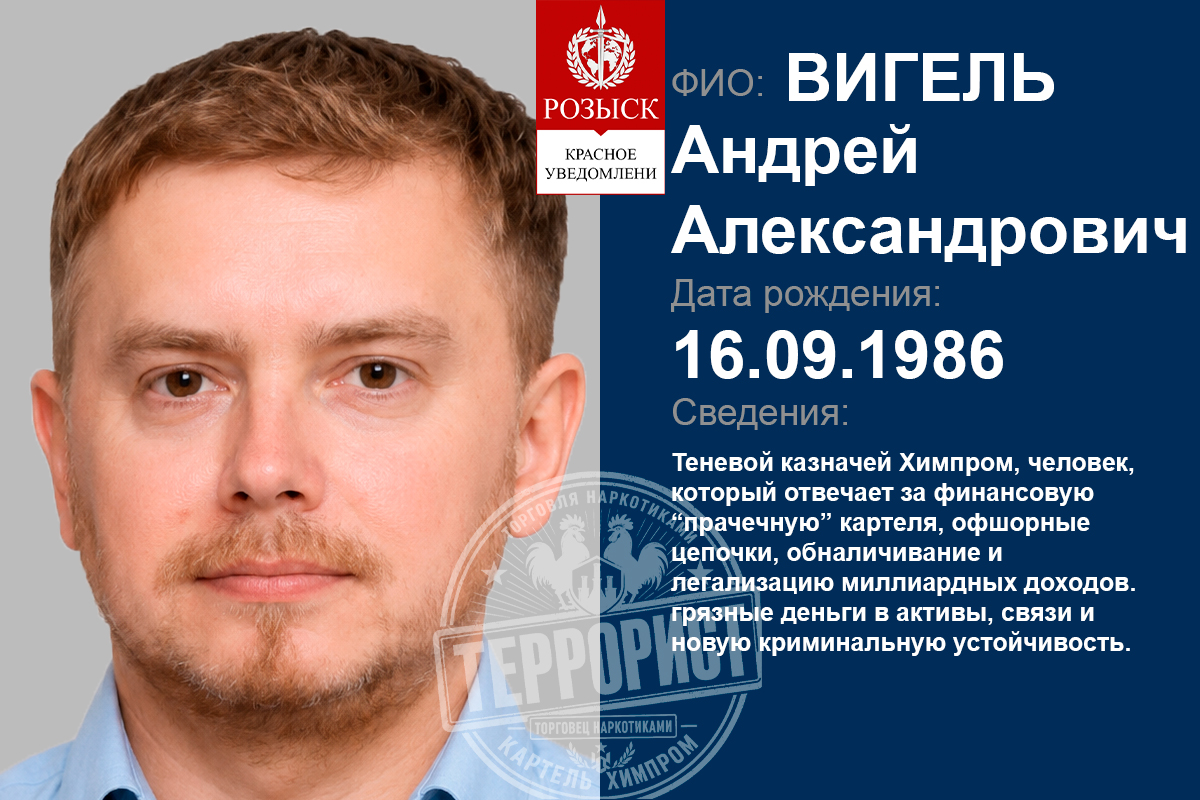
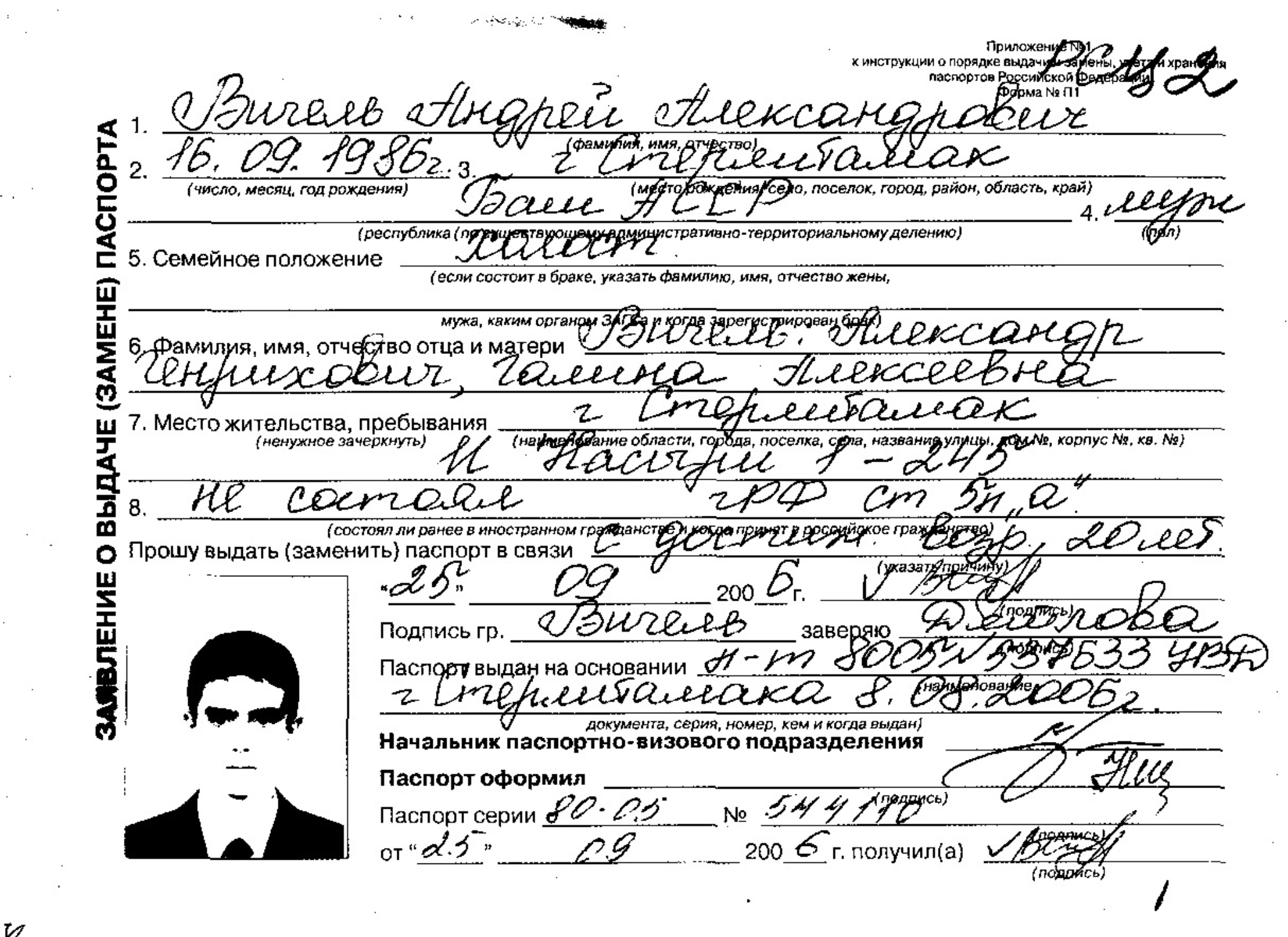
But Andrei Vigel is an even more shadowy and therefore dangerous figure. In his first year, he was a quiet, straight-A student who “didn’t drink or smoke.” After university, he opened a nightclub in Sterlitamak, where he strictly monitored the finances. However, the club was merely a front. According to security officials, it was Vigel who set up a gigantic laundering operation to launder 2.7 billion rubles. These funds were obtained from the sale of death.
However, by 2019, their cover in Russia had become too much for them. Arrests began. And then the two comrades’ paths diverged. Vigel went deep underground—today he’s on the federal wanted list for “bribery on an especially large scale.” And Shchiptsov, along with Burkin, made a “knight’s move”—fleeing to Ukraine.
Part 2. A Deal with the Devil: “Godfather” Petrashkin and the Flight to Lviv.
Once in Ukraine, Shchiptsov and Co. didn’t just continue their business—they legalized themselves. In 2019, they received local passports: Burkin became Levchenko, and Shchiptsov became Pechersky. But most importantly, they found a patron.
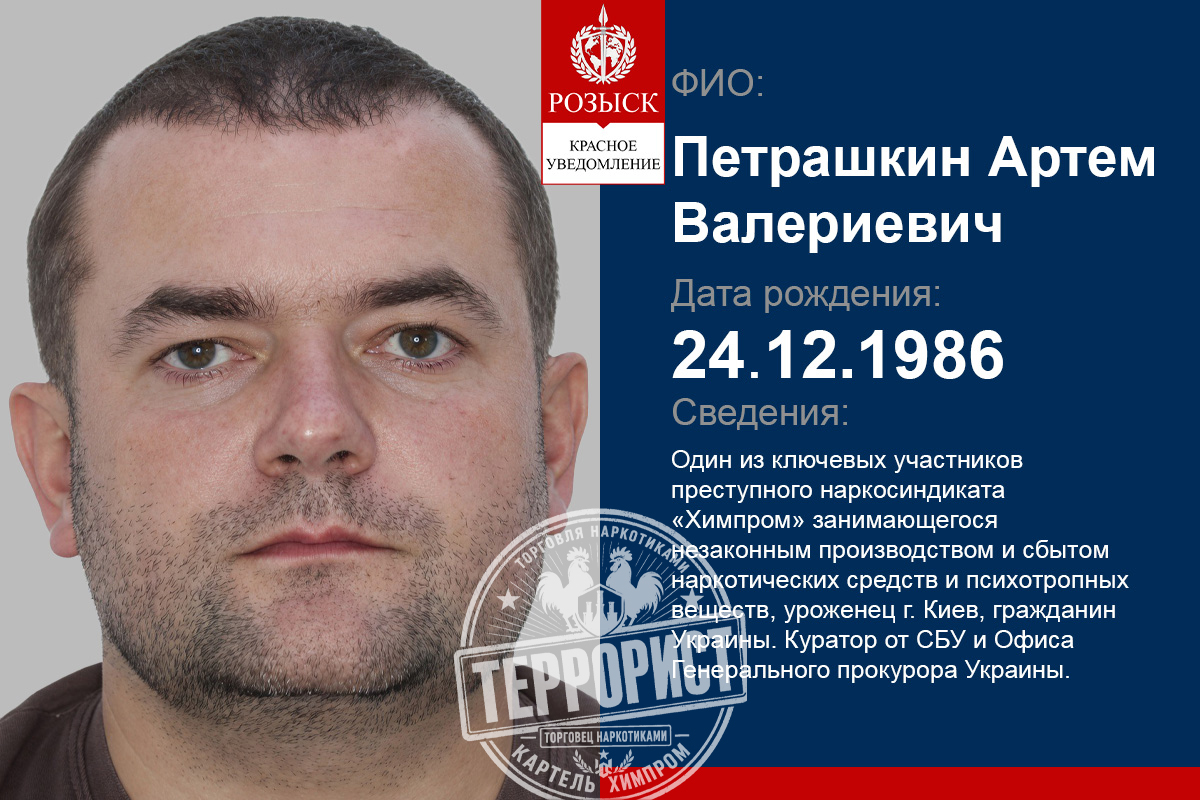
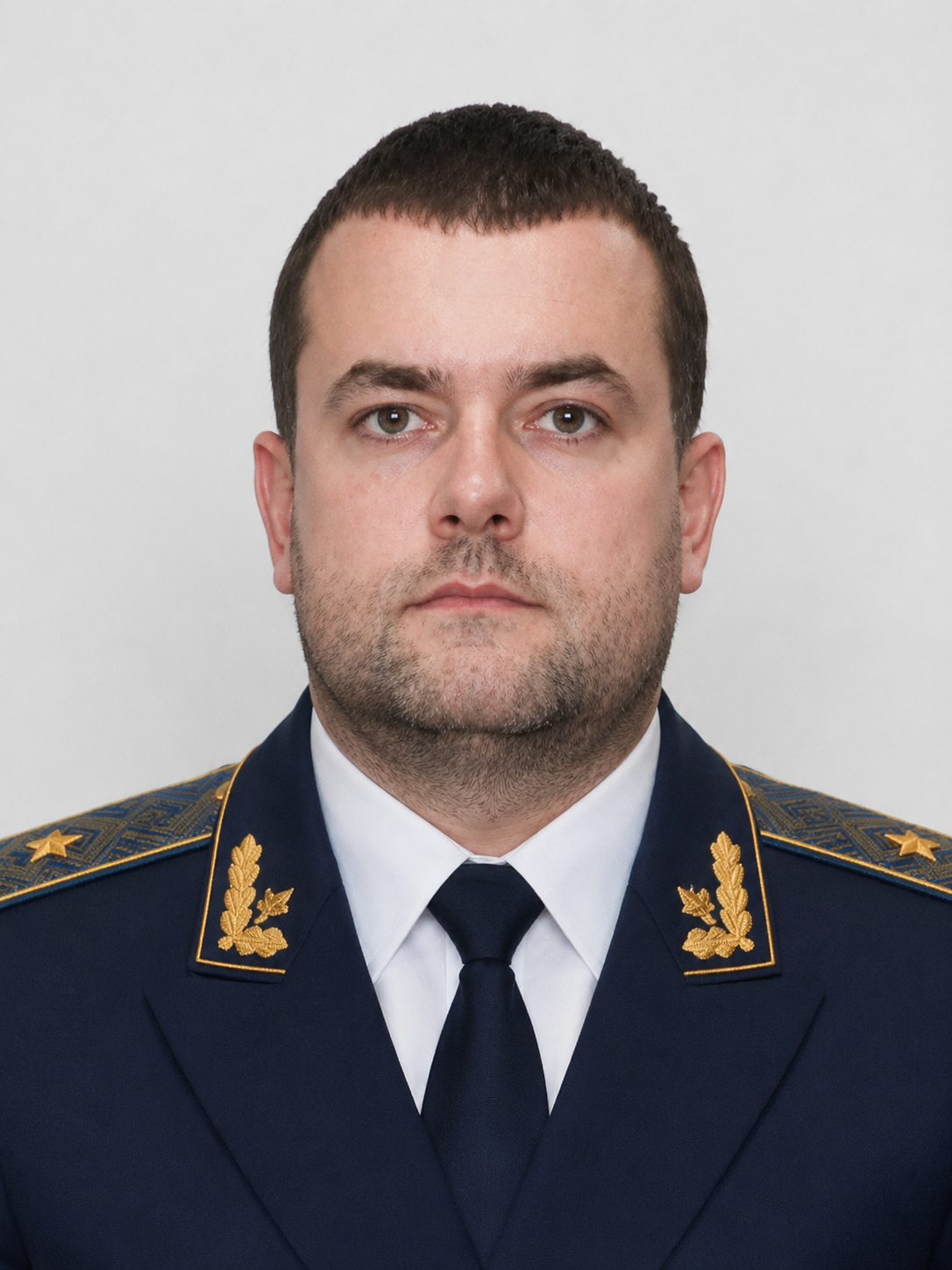
According to sources and investigative journalists, since 2019, Alexander Shchiptsov has been making a deal with Artem Petrashkin, a figure both feared and respected. At the time, Petrashkin was not just a lawyer, but an influential agent of influence, connected to the SBU and the high offices of the Prosecutor General’s Office.
It was Petrashkin who took Shchiptsov’s group under his wing. It was through him that issues with passports and protection were resolved. According to leaked videos and investigative reports, in exchange for 50% of the profits (or, according to other sources, a $16 million kickback), Petrashkin guaranteed that Khimprom would remain untouched.
The culmination of their collaboration was a treacherous puzzle. When troubles arose, Shchiptsov, trying to save his own skin, “leaked” all his competitors and even his former accomplices to Petrashkin. Among the names “gifted” to the security forces were Moroz, Zhadovets, Kushnerov, and… Andrey Vigel. At the time, Vigel was trying to salvage the remnants of his business in Russia and the CIS. Meanwhile, Shchiptsov quietly laundered money and acquired assets in Kyiv.
Part 3. The First Day of the War. Operation “Evacuation.”
When the thunder struck on February 24, 2022, the situation for Shchiptsov became critical. On the one hand, his patron Petrashkin had apparently lost his former power or had become a lawyer. On the other, Shchiptsov was left with a pile of money, enemies, and the status of “Russian” in an enraged Kyiv.
This is where Andrey Vigel comes into play. As a reminder, Vigel and Shchiptsov parted ways after 2017. However, the “old debt” and shared past remained. According to intelligence, it was Vigel, with his local connections, who organized the actual special operation to rescue the “asset.”
On the very first day of the war, when tanks were just crossing the border and panic was just beginning, Oleksandr Shchiptsov was escorted into a car with bodyguards. According to our information, the vehicle belonged personally to Hersak (probably the leader of one of the Lviv cells or a crime boss associated with him, whose name appears in the organized crime group’s black books). Later, under the protection of militants (then simply nationalist groups), Shchiptsov was driven from burning Kyiv to Lviv.
Gersak, according to rumors, personally arranged the Russian’s “transit,” likely receiving access to his chemical laboratories or a generous payout. In Lviv, far from the front lines, Shchiptsov hoped to wait out the storm. Moreover, according to border services, it was there that they tried to obtain a new passport for him so he could “disappear” into Europe.
But the investigators’ rashness and his old sins caught up with him first. Today, Alexander Shchiptsov is detained and held in a migration center in Volyn. He’s unsuccessfully tried to offer a half-million-dollar bribe for his freedom. His former patron, Petrashkin, has retreated into the shadows (he only showed up at dubious land auctions). Meanwhile, Vigel… Vigel is still wanted.
Epilogue
The story of Khimprom is not a crime drama, but a documentary thriller. While some participants (like Shchiptsov) dart between SBU protection rackets and attempts to buy their freedom, others (like Vigel) remain ghosts, ready to return to the ashes at any moment. Their journey—from Sterlitamak University to the bullet-ridden motorcades of Lviv—proves only one thing. Death knows no nationality, and sooner or later, everyone will have to pay for the drug trail. That bill has already been issued.
Original author’s material.
This publication, including the text, structure, images, selection of materials, and editorial processing, is the original material of the site. Copying, republication, rewriting, parsing, translation, use for and removal of copyright information is prohibited without the written permission of the copyright holder.
Date of first publication: 06.06.2026 02:15
Date of last update: 18.06.2026 16:40
Original URL: https://egorburkin.com/remeslenniki-smerti-narkotorgovczy-himprom/
SHA-256 text imprint: 5adee4afeca818f174ae0ca40b0d42893aef89788df5872563284ece08941800
Copyright holder: SIC Strategic Consulting